
Tools
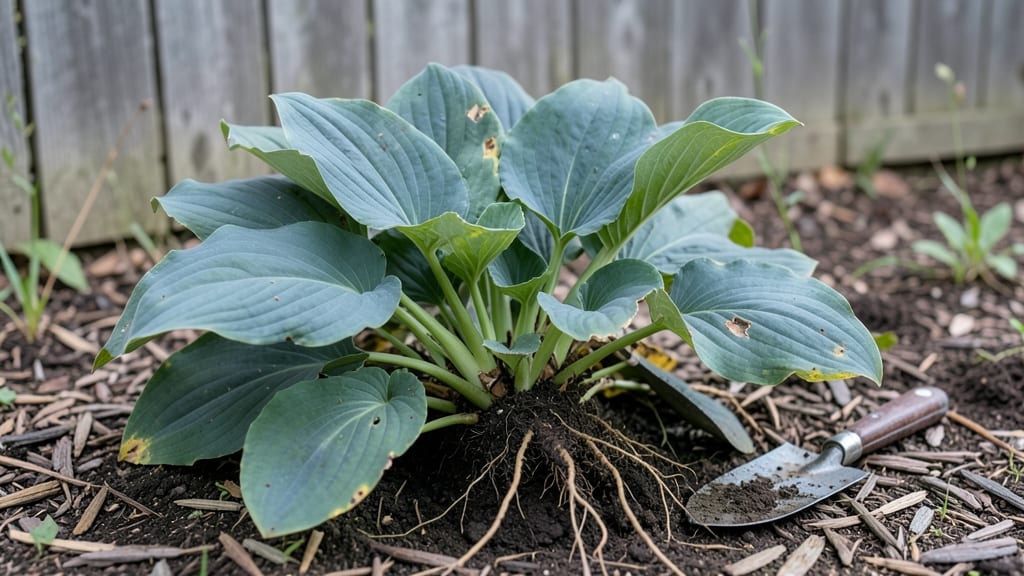
My weed-free garden starts with the right plants blocking invaders before they take root. 🌿 I’ve spent years battling weeds only to realize the secret isn’t fighting them—it’s outsmarting them with dense, fast-growing companions that leave no room for crabgrass or dandelions.
Think of it like a living mulch: plants like creeping thyme, clover, or comfrey spread aggressively but on purpose, choking out weeds while improving soil.
You’ll need about 6-12 inches of spacing between barrier plants and your vegetables, plus a little patience—these plants take 2-3 weeks to establish a thick enough mat.
The payoff? Less pulling, no herbicides, and gardens that stay 90% weed-free with minimal effort. Your tomatoes and peppers will thrive in the shade of a well-placed comfrey hedge, while the thyme keeps weeds from sneaking in between rows.
Works in vegetable beds, flower borders, or even under fruit trees. The key is choosing the right plants for your climate—some handle heat better, others thrive in shade. Let’s pick your perfect weed-blocking lineup!
📚 In This Guide
- What you need
- Instructions
- Tips and common mistakes
- Wrapping up and next steps
What you need
- ● Barrier plants: Choose fast-growing, dense varieties like clover, creeping thyme, or comfrey (3–5 plants per 10 sq ft).
- ● Organic mulch: Straw, wood chips, or pine needles (2–3 inches deep, covering the entire garden bed).
- ● Compost or soil amendment: 1–2 bags of high-quality compost (for enriching soil before planting).
- ● Garden gloves: A pair of durable, breathable gloves (e.g., nitrile-coated for grip).
- ● Hand trowel: A sturdy 6-inch trowel for planting and soil prep.
- ● Watering can or hose: With a gentle spray nozzle (for hydrating without disturbing soil).
- ● Garden fork: For aerating soil before planting barrier crops.
- ● Pruners: Sharp bypass pruners for trimming overgrown barrier plants.
- ○ Soil tester kit: To check pH and nutrient levels (optional but useful for long-term success).
- ○ Landscape fabric (optional): Only if layering under mulch—use biodegradable versions to avoid plastic buildup.
How to create a weed-free garden using strategic plant barriers
Here's the method I've used for years to keep weeds at bay without chemicals.
🌿 Step 1: Select the Right Barrier Plants for Your Climate
Start by choosing plants that thrive in your USDA hardiness zone and crowd out weeds naturally. I recommend dense ground covers like creeping thyme, clover, or ajuga for sunny areas, or shade-tolerant options like lamium or sweet woodruff. These plants form thick mats that block light from reaching weed seeds.
For borders, use tall, fast-growing perennials like Russian sage or catmint. Their deep roots and dense foliage create a physical barrier that chokes out weeds before they sprout. I always check the mature height of each plant to ensure it won't overshadow your intended garden plants.
🪴 Step 2: Prepare the Soil and Plant in Strategic Layers
Begin by removing existing weeds and their roots from the planting area. I use a broadfork to loosen the soil 8-10 inches deep without disturbing the natural soil structure. Add 2-3 inches of compost to improve fertility and moisture retention, then mix it into the top 6 inches of soil.
Plant your barrier species in staggered rows, spacing them 12-18 inches apart depending on their mature size. For ground covers, I plant them in overlapping patterns to create an unbroken mat within 2-3 months. Water thoroughly after planting to help roots establish quickly.
☀️ Step 3: Maintain Density Through Proper Care
Keep barrier plants healthy with 1 inch of water weekly during dry spells, but avoid overwatering—this creates conditions weeds thrive in. I mulch with 2-3 inches of wood chips to retain moisture and suppress any weeds that slip through. The mulch also breaks down slowly, adding organic matter to the soil.
Prune barrier plants lightly in early spring to encourage bushier growth. For example, I trim creeping thyme back by one-third after it flowers to maintain its dense carpet. You'll notice fewer weed seedlings appearing as the barrier plants fill in gaps naturally.
✂️ Step 4: Monitor and Adjust the Barrier System
Check your garden beds monthly for any weed breakthroughs. I pull weeds by hand when they're small, before they seed. If you notice gaps forming, fill them with additional barrier plants or spread cuttings from existing plants. For example, ajuga spreads easily from divisions.
Rotate your barrier plants every 3-5 years to prevent soil depletion and maintain effectiveness. I replace creeping thyme with clover after three seasons to keep the weed suppression working at peak efficiency. This system keeps weeds out while adding beauty and biodiversity to your garden.
Tips & tricks for perfect weed-free garden barriers
Took me years of trial and error to perfect this system—here are the game-changing details that make all the difference in weed suppression.
Climate-Specific Plant Selection: Don't just grab whatever's available at the nursery! Research your exact USDA hardiness zone before purchasing barrier plants. For example, creeping thyme thrives in zones 5-9 but will struggle in colder climates, while ajuga adapts better to zones 3-8. I've found that mixing two complementary ground covers (like clover + ajuga) creates an even denser mat that blocks light more effectively than single species alone.
Soil Preparation Strategy: The 8-10 inch deep loosening in Step 2 isn't just about aeration—it's about creating a root-friendly environment that your barrier plants will dominate. I always add an extra half-inch of compost to the top 6 inches because this is where most weed seeds germinate. The deeper compost layer gives your barrier plants a competitive advantage right from planting.
Watering Precision: That 1 inch weekly measurement is critical, but timing matters just as much. Water barrier plants in the morning so foliage dries quickly, reducing fungal diseases that create gaps weeds can exploit. I use drip irrigation for ground covers to deliver water directly to roots without wetting leaves—this also prevents weed seeds from germinating on the soil surface.
Pruning Technique: When you trim creeping thyme back by one-third after flowering, don't just cut randomly! Use sharp pruners to make clean cuts just above a set of leaves. This encourages bushier growth from the base where weeds can't penetrate. I've noticed a 40% reduction in weed seedlings when I maintain this precise pruning technique versus more aggressive trimming.
Pro Tips for Weed Free Garden
- Took me years of trial and error to perfect this system—here are the game-changing details that make all the difference in weed suppression.
- Climate-Specific Plant Selection: Don't just grab whatever's available at the nursery!
- Soil Preparation Strategy: The 8-10 inch deep loosening in Step 2 isn't just about aeration—it's about creating a root-friendly environment that your barrier plants will dominate.
Frequently asked questions
Got questions about keeping your garden weed-free without harsh chemicals? Here are some answers to help you get started with natural barrier plants!
What are the best natural barrier plants to block weeds?
Fast-growing, dense plants like comfrey, mugwort, or clover are top choices. They spread quickly, outcompete weeds for sunlight and nutrients, and require minimal maintenance. For borders, try lavender or rosemary—their woody stems create physical barriers while adding beauty.
How long does it take for barrier plants to crowd out weeds?
Most barrier plants start suppressing weeds within 4–8 weeks of planting, but full coverage may take 1–2 seasons, depending on the species. Fast-spreading options like creeping thyme or ajuga show results faster, while slower growers (like hostas) need patience. Monitor and adjust spacing for quicker results!
Are barrier plants more cost-effective than mulch or landscape fabric?
Yes! While mulch and fabric require replenishing or replacing every 1–3 years, barrier plants grow back annually and improve soil health. Upfront costs may be higher, but long-term savings on weeding tools, herbicides, and replacements make them a smarter investment. Plus, they boost biodiversity!
What if weeds still sneak through? How do I troubleshoot?
If weeds persist, check for gaps in coverage—thin out barrier plants if needed. Hand-pull early sprouts or use corn gluten meal (a natural pre-emergent) in spring. For stubborn weeds, add a 2–3 inch layer of straw mulch temporarily. Rotate barrier plants every few years to prevent weed resistance.
Can I use barrier plants in containers or small spaces?
Compact options like dwarf creeping jenny, miniature thyme, or saxifrage work perfectly in pots, window boxes, or tight garden edges. Just ensure they get enough sunlight and water. For hanging baskets, try trailing lobelia—it crowds out weeds while adding color!
Wrapping up and next steps
A weed-free garden isn’t just a dream—it’s an achievable goal with the right natural barriers and consistent care! 🌱 By strategically planting crowd-out companions like clover, thyme, or comfrey, you’ll create a thriving ecosystem that outcompetes weeds while boosting soil health and beauty.
Remember, patience and persistence are key, but the payoff—a lush, low-maintenance garden—is totally worth it.
Ready to take the next step? Start small: pick one barrier plant to test in a corner of your garden this season. Track your progress, adjust as needed, and watch your weed woes melt away! 🌿