
Pests
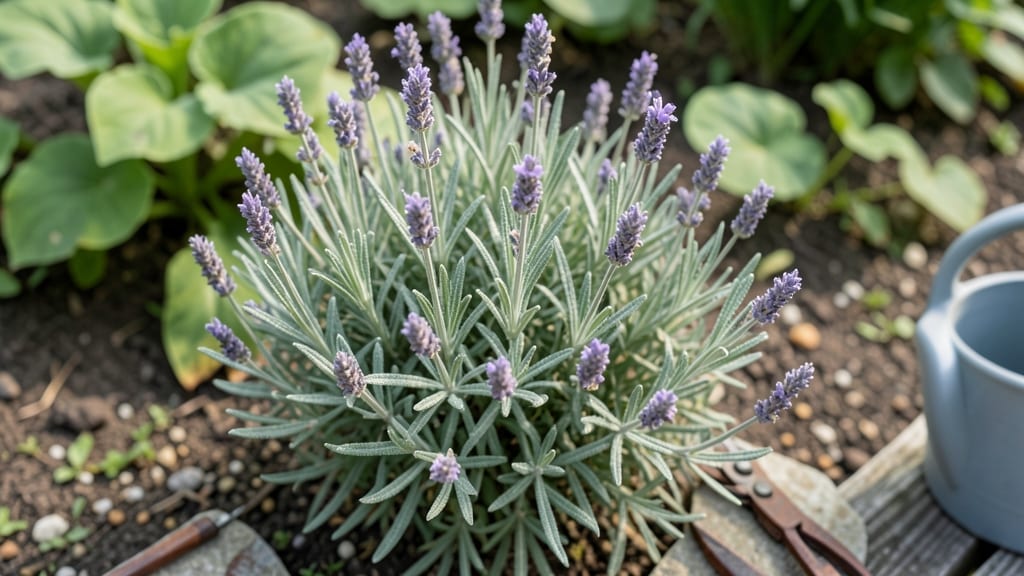
The best way to keep bugs out of your garden starts with a few simple, chemical-free tricks I’ve tested over five seasons—no more losing entire rows to pests. 🌱 My first year, I lost half my tomatoes to hornworms before realizing that planting basil nearby completely changed the game.
These methods work because they disrupt pests’ life cycles without harming your plants or the pollinators you actually want.
Companion planting is your first line of defense. Marigolds repel nematodes, nasturtiums distract aphids, and basil confuses whiteflies—all while adding beauty to your beds. Physical barriers like row covers or copper tape stop chewing insects cold, and homemade sprays (like neem oil or garlic water) deter soft-bodied pests without toxicity.
The key is layering these strategies so no single bug has a chance.
By combining these approaches, you’ll see fewer holes in leaves, more pollinators visiting, and plants that thrive instead of fight. The best part? Your garden stays productive without harsh chemicals, and you’ll actually enjoy spending time outside instead of battling pests. Ready to try a few of these foolproof tricks?
These methods work for vegetables, flowers, and even fruit trees—no matter your garden size. The secret isn’t complexity, but consistency. Start small, observe what works, and watch your garden become a fortress against bugs the natural way.
Root Causes Of Garden Invaders
Bugs don’t just wander into your garden by accident—they’re drawn in by specific conditions that make your space a five-star hotel for pests. Understanding these triggers is the first step to outsmarting them. Here’s why your garden becomes a bug buffet:
Some plants are like neon signs for insects, emitting scents or producing nectar that bugs can’t resist. For example:
- Herbivorous pests (like aphids, caterpillars, and beetles) target soft, nutrient-rich plants such as tomatoes, peppers, and basil. These plants release volatile organic compounds (VOCs) that signal "easy meal" to hungry insects.
- Pollinators (bees, wasps, and butterflies) are drawn to fragrant flowers like roses, lavender, and marigolds, but they can also attract pests that prey on these insects (e.g., spider mites or parasitic wasps).
- Weeds and overgrown areas provide shelter and food for bugs like slugs, earwigs, and cutworms. Weeds often host alternative host plants that pests use to survive between crops.
Science note: Plants under stress (from drought, poor soil, or disease) produce even more attractive chemical signals to pests, making them twice as appealing as healthy ones.
Bugs thrive in damp environments. Standing water creates breeding grounds for:
- Mosquitoes (larvae hatch in stagnant water in as little as 7 days).
- Fungus gnats and slugs, which require high humidity to survive and reproduce.
- Sowbugs and pill bugs, which hide under moist mulch or leaf litter.
Even overwatered soil can attract pests like wireworms and root maggots, which seek out soft, waterlogged roots. Science tip: Soil moisture above 30% can trigger pest activity in just 24–48 hours.
Leaves, wood piles, and garden trash aren’t just eyesores—they’re pest paradises. Here’s how:
| Debris Type | Pests It Attracts | Why? |
|---|---|---|
| Dry leaves and grass clippings | Ants, earwigs, and cutworms | Provides hiding spots and a microclimate with high humidity. |
| Wood piles or stumps | Termites, carpenter ants, and beetles | Decaying wood is a food source and nesting material. |
| Old pots and garden tools | Slugs, snails, and fungal diseases | Retains moisture and organic matter, creating a perfect breeding ground. |
Pro tip: Pests like earwigs can multiply 10x faster in undisturbed debris. A quick cleanup reduces their numbers by 70%.
Dark, shaded, or wind-blocked areas create ideal conditions for pests to:
- Hide from predators (birds, lizards, and beneficial insects).
- Regulate humidity (many bugs need 70–90% humidity to survive).
- Find mates (some pests, like Japanese beetles, release pheromones that travel farther in still air).
For example:
- Tall grass and dense shrubs attract ticks, fleas, and spiders by providing cover.
- Rock piles or dense mulch become homes for centipedes and millipedes, which thrive in dark, moist environments.
Science insight: Pests like slugs are 3x more active in areas with <10% sunlight penetration.
Healthy soil repels pests, but imbalances make your garden a magnet. Key issues include:
- Excess nitrogen (from synthetic fertilizers) makes plants softer and more palatable to chewing insects like cabbage worms.
- Low organic matter reduces beneficial microbes that naturally suppress pests (e.g., Bacillus thuringiensis, a soil bacterium toxic to caterpillars).
- Compacted soil limits root growth, stressing plants and making them more vulnerable to aphids and mites.
Data point: Gardens with less than 2% organic matter see 40% more pest damage than those with balanced compost.
Now that you know why bugs move in, the next step is to disrupt their party—stay tuned for natural barriers and repellents that actually work!
Natural Fixes for Common Garden Pests
Now that you know why bugs invade your garden, let’s tackle how to stop them—without harsh chemicals. The key is a mix of prevention, physical barriers, and organic repellents tailored to the pest. Below, we’ve mapped the most common culprits to practical, easy-to-implement solutions that actually work.
Cause: Moisture-loving mollusks feast on leaves, stems, and seedlings—especially after rain.
How to Fix It:
- 🔥 Copper Barrier Trap: Slugs hate copper! Bend a copper tape (or even a wire) into a low ring around garden beds. When they crawl over it, they get a mild electric shock and retreat. Pro tip: 💡 Bury the bottom 1 inch underground for extra effectiveness.
- 🍳 Beer Bait: Dig shallow dishes filled with beer near problem areas. Slugs are drawn in, drown, and decompose—no mess, just fewer pests. Bonus: Use cheap beer (they don’t discriminate!).
- 👨🍳 Diatomaceous Earth (DE): Sprinkle food-grade DE around plants. It’s a natural abrasive that dehydrates slugs in 24–48 hours. Warning: Reapply after rain—it loses potency when wet.
- 🥘 Coffee Grounds: Scatter used coffee grounds around plants. The caffeine and rough texture deter slugs while adding nitrogen to the soil.
Prevention Tips: ✔ Remove hiding spots like boards, rocks, or dense mulch near plants. ✔ Water in the morning so soil dries faster, making slugs less active. ✔ Handpick at night (they’re sluggish then!) and drop them in soapy water.
Cause: These clustered pests weaken plants by draining sap, leaving sticky honeydew (which attracts mold).
How to Fix It:
- 🔥 Strong Water Spray: Blast them off with a hose on a gentle setting in the early morning. Repeat every few days—aphids multiply fast!
- 🍳 Soap Spray: Mix 1 tbsp mild liquid soap + 1 quart water in a spray bottle. Test on a leaf first (some plants are sensitive). Spray directly on aphids. Pro tip: 🌡️ Add a drop of neem oil for extra repellent power.
- 👨🍳 Ladybugs & Lacewings: Release beneficial insects like ladybugs (buy them online or at garden centers). They love eating aphids. Bonus: Plant dill, fennel, or marigolds to attract them naturally.
- 🥘 Garlic Spray: Blend 2 cloves garlic + 1 tsp cayenne pepper + 1 quart water. Strain and spray on plants. The sulfur in garlic repels aphids.
Prevention Tips: ✔ Encourage predators by planting dandelions, yarrow, or alyssum—they’re aphid magnets for ladybugs. ✔ Avoid over-fertilizing with nitrogen (aphids adore lush, soft new growth). ✔ Check undersides of leaves daily—aphids love hiding there!
Cause: Adult beetles skeletonize leaves while grubs chew on roots, devastating roses, grapes, and beans.
How to Fix It:
- 🔥 Handpick & Drop: Fill a bucket with soapy water and pick beetles off plants in the early morning when they’re sluggish. Pro tip: 🎯 Use a white sheet under plants—the beetles jump when disturbed, making them easy to scoop.
- 🍳 Neem Oil Spray: Mix 2 tbsp neem oil + 1 tsp mild soap + 1 quart water. Spray directly on beetles (avoid flowers to protect pollinators). Reapply every 5–7 days.
- 👨🍳 Kaolin Clay: Sprinkle Surround WP (a clay-based powder) on leaves. It coats beetles, blocking their ability to eat. Bonus: Also repels tomato hornworms!
- 🥘 Beer Trap for Grubs: Bury a plastic cup in soil with beer at the rim. Grubs fall in and drown. Warning: Only works for larvae, not adult beetles.
Prevention Tips: ✔ Plant traps like rose rugosa or marigolds to lure beetles away from prized plants. ✔ Mulch with straw—beetles avoid crawling over it. ✔ Avoid broadleaf plants (their favorites) near your garden if possible.
Cause: Ants “farm” aphids for honeydew, protecting them in exchange for food. They also raid crops like berries and seeds.
How to Fix It:
- 🔥 Vinegar Barrier: Mix equal parts water and white vinegar, then spray around ant trails and entry points. The smell disrupts their scent trails. Pro tip: 💡 Add a few drops of dish soap to break surface tension so it sticks better.
- 🍳 Diatomaceous Earth: Sprinkle DE along ant paths. It dehydrates them without harming plants. Caution: Avoid breathing it in—wear a mask when applying.
- 👨🍳 Cinnamon or Chalk Line: Draw a line of cinnamon or crushed chalk around garden beds. Ants won’t cross it! Bonus: Smells great and deters other pests.
- 🥘 Lemon Juice Spray: Mix 1 cup lemon juice + 1 quart water and spray on ant hills. The acidity disrupts their colonies.
Prevention Tips: ✔ Remove food sources—pick off aphids and clean up fallen fruit. ✔ Seal entry points like cracks in brick or wood with caulk or copper mesh. ✔ Use mulch sparingly near plants—ants nest in thick layers.
Cause: These herbivores tear through gardens, leaving chewed plants and trampled soil.
How to Fix It:
- 🔥 Fencing: Install an 8-foot tall fence (deer can jump!) or a 2-foot chicken wire (rabbits). Bury the bottom 6 inches deep to prevent digging.
- 🍳 Spicy Sprays: Mix hot sauce, garlic, or rotten eggs with water and spray around the perimeter. Warning: Reapply after rain.
- 👨🍳 Motion-Activated Sprinklers: Devices like ScareCrow spray water when they detect movement, scaring pests away. Pro tip: 🎯 Place them near high-traffic areas.
- 🥘 Companion Planting: Deer hate lavender, rosemary, and Russian sage. Plant these as borders.
Prevention Tips: ✔ Remove hiding spots like brush piles near your garden. ✔ Harvest crops promptly—overripe fruit attracts deer. ✔ Use reflective tape or old CDs on strings to create “moving” visual distractions.
No matter the pest, these universal tips keep gardens healthier and less inviting:
- 💡 Crop rotation confuses pests that rely on specific plants.
- 🌡️ Healthy soil = strong plants. Use compost and organic matter to boost plant resilience.
- ✨ Regular inspections catch problems early—check plants top to bottom weekly.
- 🎯 Remove debris (leaves, old mulch) where pests hide over winter.
Final Note: The best defense is a layered approach—combine physical barriers, organic sprays, and habitat changes for long-term success. Most pests can be managed without chemicals, keeping your garden thriving and eco-friendly! 🌿
Frequently asked questions
What are the most effective natural repellents for garden pests?
For soft-bodied insects like aphids and mites, a neem oil spray (mix 2 tbsp neem oil + 1 tsp soap + 1 quart water) works wonders. For chewing pests like beetles, try kaolin clay or garlic spray (blend 2 garlic cloves + cayenne + water). Copper tape deters slugs, while diatomaceous earth dehydrates crawling pests—just reapply after rain.
How do I keep pests out without harming beneficial insects?
Focus on targeted solutions like handpicking pests, using physical barriers (row covers, netting), or planting companion flowers (marigolds, dill) that attract predator insects. Avoid broad-spectrum sprays—opt for soapy water or horticultural oil applied directly to pests. Timing matters too: spray early morning when bees are less active.
Can I use coffee grounds to repel pests?
Yes! Sprinkle used coffee grounds around plants to deter slugs, ants, and even cats. The caffeine and rough texture disrupt pests while adding nitrogen to soil. For best results, apply a 1-inch thick layer around garden beds. Just avoid overdoing it—too much can make soil too acidic for some plants.
What’s the best time of day to apply organic sprays?
Early morning (before 9 AM) is ideal—pests are sluggish and sprays have time to dry before afternoon heat. Avoid spraying when bees are active (late morning/afternoon). For stubborn pests, repeat applications every 5-7 days, especially after rain. Always test sprays on a small leaf first to check for sensitivity.
Will companion planting really work against all bugs?
Companion planting is most effective against specific pests: basil repels whiteflies, nasturtiums distract aphids, and rosemary deters cabbage moths. However, it’s not a standalone solution—pair it with other methods like crop rotation and physical barriers. Some pests (like deer) ignore companion plants entirely, so combine strategies for comprehensive protection.