
Pests
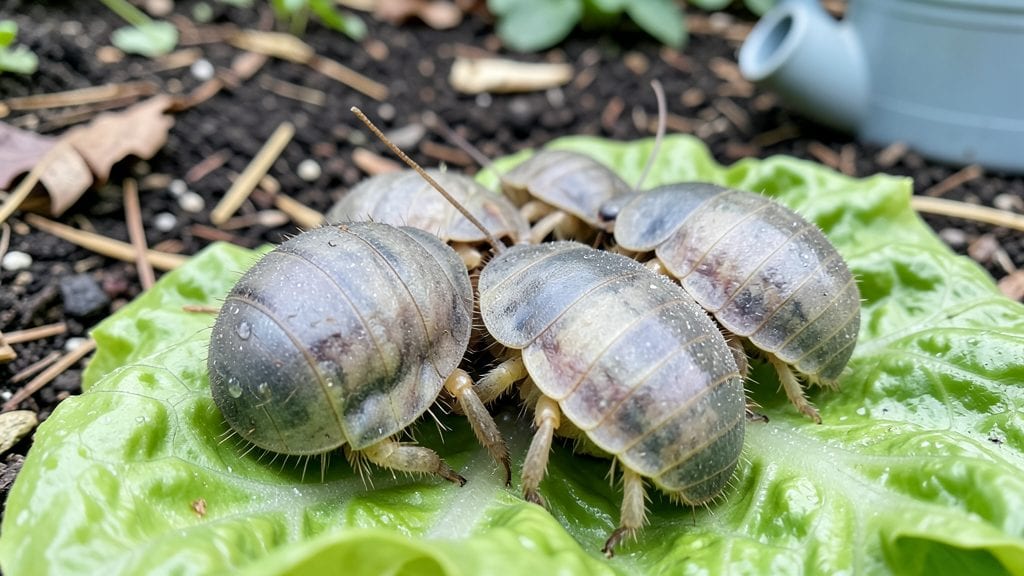
Learn how to get rid of pill bugs in your garden naturally—they’re helpful decomposers, but an overpopulation can wreak havoc on seedlings and leave behind a slimy trail. 🌱 I’ve tried every natural method out there, from simple traps to habitat tweaks, and these are the ones that actually work without harming your plants or the ecosystem.
The key is understanding why they’re there in the first place. Pill bugs thrive in damp, shady spots with plenty of decaying plant material—basically, the perfect compost pile. Instead of fighting them, we redirect their behavior.
A few adjustments to your garden’s moisture levels, mulch choices, and even where you place boards or rocks can make all the difference. No harsh chemicals needed.
You’ll see results within a few days if you set up the right traps—like overturned flower pots or damp cardboard boxes—and within weeks, your garden will have a balanced population that doesn’t overrun your beds.
The best part? These methods keep working season after season, and your soil stays healthier than ever.
Works for vegetable gardens, flower beds, and even container setups. Let’s get those pill bugs under control the natural way—without turning your yard into a chemical battleground.
Root Causes Of Pill Bug Invasion
Pill bugs—those tiny, armored garden guests—aren’t just random visitors. Their presence is often a sign of deeper environmental factors at play. Understanding these triggers is the first step to reclaiming your garden naturally. Let’s break down the science behind why these critters show up in droves.
Pill bugs, also known as Armadillidium vulgare (common pill bugs) or Porcellio species (woodlice), thrive in damp conditions. Their exoskeletons are highly sensitive to dehydration, so they seek out humid microclimates where moisture is abundant. Here’s why your garden might be their personal spa:
- Poor Drainage: Clay-heavy or compacted soil traps water, creating soggy pockets where pill bugs nest. If your garden retains water after rain (or if you’ve overwatered), you’re essentially inviting them to move in. - Organic Debris Buildup: Leaf litter, mulch, and decaying plant matter hold moisture like a sponge.
While these materials are great for compost, they also create ideal hiding spots for pill bugs. - Irrigation Habits: Drip irrigation or overhead watering that keeps soil consistently damp (rather than just moist) signals to pill bugs that your garden is a safe haven.
💡 Pro Tip: Test your soil’s moisture by squeezing a handful—if water drips out, it’s too wet. Aim for soil that feels like a damp sponge, not a wrung-out washcloth.
Pill bugs are detritivores, meaning they feast on decomposing plant material. If your garden is a buffet of decaying leaves, rotting veggie scraps, or unraked mulch, they’ll stick around to clean up the mess. Here’s how excess organic matter becomes a magnet:
- Compost Piles: While compost is eco-friendly, an unmanaged pile becomes a pill bug hotspot. These critters love the warm, moist, nutrient-rich environment—even if you’re not ready to harvest your compost. - Dead Plant Material: Wilted flowers, fallen branches, and old crop residues provide both food and shelter.
Pill bugs will roll up in these materials to avoid predators and dry conditions. - Weedy Areas: Dense ground cover or overgrown weeds create shaded, humid layers of soil where pill bugs can thrive unnoticed.
✨ Actionable Fix: Regularly turn your compost pile, remove dead plant debris, and mulch thinly (no more than 2–3 inches) to reduce hiding spots.
In a balanced ecosystem, pill bugs are kept in check by predators like birds, frogs, toads, centipedes, and even some beetles. But if your garden lacks these helpers, pill bug populations can explode. Here’s why their predators might be MIA:
- Pesticide Use: Broad-spectrum chemicals kill not just pests but also beneficial insects and amphibians that prey on pill bugs. Even "natural" sprays can disrupt the food chain. - Habitat Fragmentation: Urban or suburban gardens often lack the diversity of plants and water sources that attract predators.
Without ponds, dense shrubs, or varied terrain, wildlife avoids your yard. - Over-Tidiness: A "pristine" garden with no rocks, logs, or leaf litter removes hiding spots for predators. Pill bugs, meanwhile, love these same nooks when they’re damp.
🔥 Quick Solution: Introduce predator-friendly elements like a small water feature, native plants, or a log pile to encourage wildlife. Avoid pesticides entirely—even "organic" ones can harm beneficial species.
Pill bugs are cold-hardy but prefer mild, damp conditions. Their behavior shifts with the seasons, and certain weather patterns can trigger mass migrations into gardens:
- Rainy Seasons: Heavy rainfall softens soil and increases humidity, prompting pill bugs to emerge from underground or wooded areas to forage.
They’ll seek shelter in your garden’s mulch or under plants. - Drought Followed By Rain: A dry spell forces pill bugs to burrow deep, but the first heavy rain signals them to surface and spread out in search of moisture. - Winter Thaw: As temperatures rise in early spring, pill bugs become active again, often moving from basements, sheds, or woodpiles into gardens that now offer ideal conditions.
🌡️ Seasonal Strategy: If pill bugs surge after rain, address drainage issues immediately. In winter, keep mulch minimal around foundations to discourage migrations from crawl spaces.
Sometimes, well-meaning gardening practices backfire by creating pill bug paradises. Here’s how humans accidentally invite them:
- Over-Mulching: A thick layer of mulch (especially wood chips) holds moisture and blocks sunlight, mimicking their natural forest-floor habitat. Stick to 2–3 inches max. - Improper Wood Storage: Stacking firewood or lumber directly on soil or in damp areas turns these piles into pill bug condos.
Elevate wood off the ground and store it under cover. - Composting Meat/Dairy: While pill bugs won’t eat these, they attract other pests (like rodents) that do—and these larger animals can trample pill bugs into your garden.
🎯 Prevention Tip: Store firewood at least 20 feet from your home and 6 inches off the ground. Use straw or leaves (not wood chips) for mulch if pill bugs are a recurring issue.
Natural Ways to Outsmart Pill Bugs
Pill bugs—those tiny, armor-plated critters—may seem harmless, but their presence can signal damp, decaying organic matter in your garden. The good news? You can tackle them without chemicals, using simple, eco-friendly fixes. Below, we’ve matched common causes to targeted solutions, plus prevention tips to keep them from returning.
Pill bugs thrive in damp, shady spots. If your garden is soggy or mulch is overly wet, they’ll stick around like uninvited guests at a buffet.
Fix It:
- 🌡️ Improve Drainage: Rake away thick layers of mulch or compost in problem areas. Replace with a thinner layer (1–2 inches) of dried leaves, straw, or cedar chips—these allow airflow while still protecting soil.
- ☀️ Sunlight Exposure: Pill bugs avoid dry, sunny spots. Spread a thin layer of coarse sand or diatomaceous earth (food-grade only!) in affected areas. Reapply after rain.
- 💡 Pro Tip: Water plants at the base (not overhead) to keep foliage dry. Early morning watering gives leaves time to evaporate moisture before nightfall.
Pill bugs feast on rotting wood, fallen leaves, and compost piles. If your garden is a composting paradise, they’ll move in permanently.
Fix It:
- 🔪 Turn Over Compost: Regularly flip compost piles to speed up decomposition and reduce moisture. Add more browns (dry leaves, straw) to balance greens (fruit/veggie scraps).
- 🧹 Clear Debris: Remove rotting logs, old plant matter, and thick mulch from garden beds. Store firewood elevated and covered to deter them.
- 👨🍳 DIY Trap: Place a shallow dish of beer or vinegar near problem spots. Pill bugs are drawn to the liquid but drown quickly—check and refresh every 2–3 days.
Pill bugs multiply fast in ideal conditions. If your garden is a pill bug paradise, they’ll spread like wildfire.
Fix It:
- ✨ Introduce Predators: Encourage natural enemies like birds, frogs, and ground beetles by adding a small water feature or native plants (e.g., marigolds, lavender).
- 🌱 Plant Deterrents: Pill bugs hate strong scents. Plant mint, rosemary, or thyme near vulnerable areas. Crush a few leaves and scatter them around beds for extra repellency.
- 🚫 Avoid Over-Fertilizing: Too much nitrogen-rich fertilizer attracts pill bugs. Use slow-release, organic fertilizers sparingly.
Pill bugs love hiding in moist potting soil and can hitchhike on new plants. If they’ve taken up residence in pots, act fast.
Fix It:
- 🔍 Inspect New Plants: Before bringing home new plants or soil, rinse roots thoroughly and quarantine for a few days.
- 💦 Adjust Watering: Let potting soil dry out slightly between waterings. Use pots with drainage holes and avoid saucers that trap excess water.
- 🪴 DIY Soil Treatment: Mix 1 part food-grade diatomaceous earth into the top inch of potting soil. Reapply after watering.
Once you’ve evicted pill bugs, lock the door with these habits:
- 🌡️ Monitor Moisture: Use a moisture meter or stick your finger in the soil—if it’s damp past 2 inches, adjust watering.
- 🍂 Clean Up Fallen Leaves: Rake and compost or dispose of thick leaf layers before they decompose.
- 🔄 Rotate Garden Practices: Avoid planting the same crops in one spot yearly—this disrupts pill bug habitats.
- 🌱 Use Barriers: For high-risk areas (like veggie beds), line borders with landscape fabric or crushed eggshells (sharp edges deter them).
Remember: Pill bugs are beneficial in moderation—they break down organic matter. The key is balance. With these fixes, you’ll keep their population in check naturally, without harming your garden’s ecosystem. 🌱✨
Frequently asked questions
Are pill bugs actually harmful to my garden?
Not usually! Pill bugs are beneficial decomposers that break down organic matter. The real issue arises when they overpopulate, creating slimy trails on plants or damaging seedlings. A balanced garden should have a small, natural population—focus on keeping them from becoming a nuisance rather than eradicating them completely.
Why do pill bugs appear after heavy rain?
Pill bugs thrive in damp conditions, so after rain, they emerge from hiding to forage. Heavy rainfall softens soil and increases humidity, making your garden their perfect temporary home. To prevent this, improve drainage in problem areas and avoid overwatering—aim for soil that's moist but not soggy.
Will diatomaceous earth kill pill bugs instantly?
No, it works gradually by dehydrating them. Food-grade diatomaceous earth needs to stay dry and be reapplied after rain. Sprinkle a thin layer around plants or garden beds, but avoid overusing it—it can harm beneficial insects too. For faster results, combine it with other methods like improving drainage or using beer traps.
Can I use coffee grounds to repel pill bugs?
Actually, coffee grounds can attract pill bugs because they love the moisture and organic matter. Instead, use crushed eggshells or citrus peels around garden edges—these create sharp barriers that deter them while adding nutrients to the soil.
How long does it take to see results with natural methods?
Most natural solutions show improvement within 3-7 days, but full results take 2-4 weeks as populations adjust. Consistency is key—combine methods like reducing moisture, using traps, and encouraging predators for the best long-term control.