
Vegetables
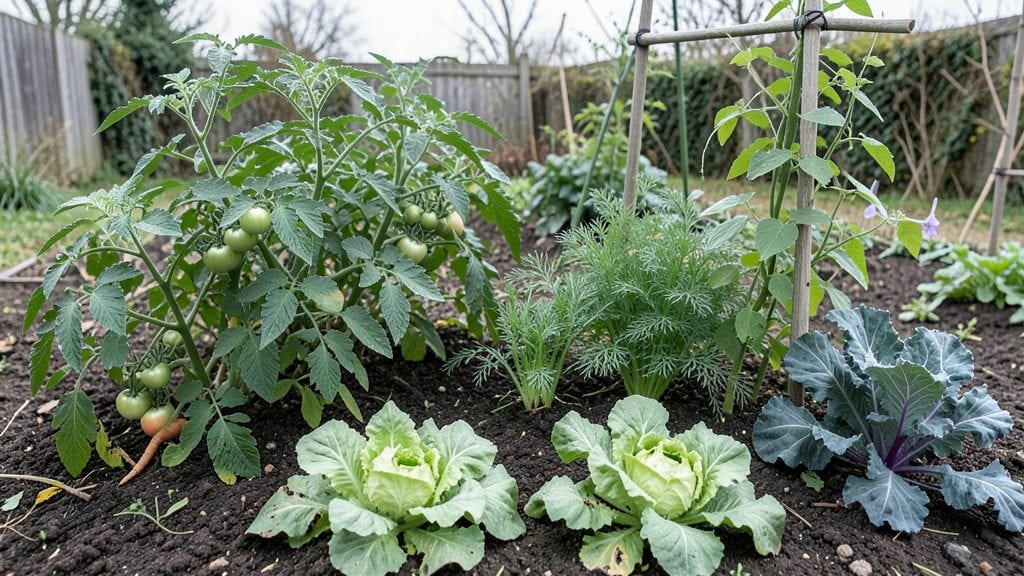
These gardens weren't just about growing food—they were a patriotic movement. 🌱 The U.S. government launched campaigns like "Food Will Win the War," encouraging families to plant high-yield crops in every available space, from backyards to balconies.
Communities even shared seeds and gardening tips through local drives and pamphlets, turning neighbors into partners in the war effort.
What's fascinating is how these gardens adapted to urban spaces—using containers and vertical growing to maximize tiny plots. Many families planted potatoes, tomatoes, and cabbage because they grew quickly and stored well, making them perfect for ration-stretched meals.
The success of these gardens proved that everyday citizens could make a real difference during crises.
💡 In This Article
- How WWII Victory Gardens Boosted Food Production
- Gardening Tips for Modern Victory Garden Revival
How WWII victory gardens boosted food production
The U.S. government launched the "Food Will Win the War" campaign in 1942, transforming backyards into battlefields for agriculture. This wasn't just propaganda—it was a calculated strategy to shift 25% of the nation's food production to military needs while civilians grew their own.
The government provided free seed packets (over 10 million distributed yearly) and published gardening guides showing how to grow 40+ pounds of food per 100 square feet—enough to feed a family for months.
Space was maximized through creative solutions like vertical trellises for peas and beans (saving floor space) and container gardening on balconies. Urban areas saw vacant lots converted into community plots, while rural families expanded existing farms.
The most productive crops were selected based on growth speed, storage life, and nutritional value: potatoes (stored for months), tomatoes (high yield per plant), and cabbage (hardy in cool climates). These choices ensured families had fresh produce even during winter.
Community efforts amplified production through seed drives, where neighbors exchanged heirloom varieties, and local gardening clubs that shared techniques. The government even sponsored "Victory Garden Weeks" with radio broadcasts and school programs teaching children to grow food.
This collective effort created a 43% increase in homegrown produce between 1942-1945, proving that small-scale farming could rival commercial agriculture when organized properly.
What made these gardens so effective was their adaptability. Urban families grew radishes in 3 weeks for quick harvests, while rural plots focused on corn and sweet potatoes for long-term storage.
The use of composting household scraps (like fruit peels and coffee grounds) enriched soil without chemical fertilizers—practices still valued today. This self-sufficiency wasn't just about food; it was about proving that every citizen could contribute to the war effort.
Here's what the numbers reveal: A typical 1,000-square-foot backyard could produce 1,500 pounds of food annually—enough to feed a family of four for nearly a year. The government's Victory Garden Bureau even tracked production, showing that by 1943, these gardens were supplying 9-10 million tons of food nationwide.
This wasn't just supplemental; it was a lifeline for food security during wartime shortages.
The psychological impact was just as significant. Families who grew their own food developed a profound connection to their meals, reducing waste and increasing appreciation for fresh produce. This cultural shift toward homegrown sustenance laid the foundation for modern community gardening movements.
Today, you can still find WWII-era gardening manuals online that teach these same techniques—proof that the principles of victory gardening remain relevant.