
Container Gardens
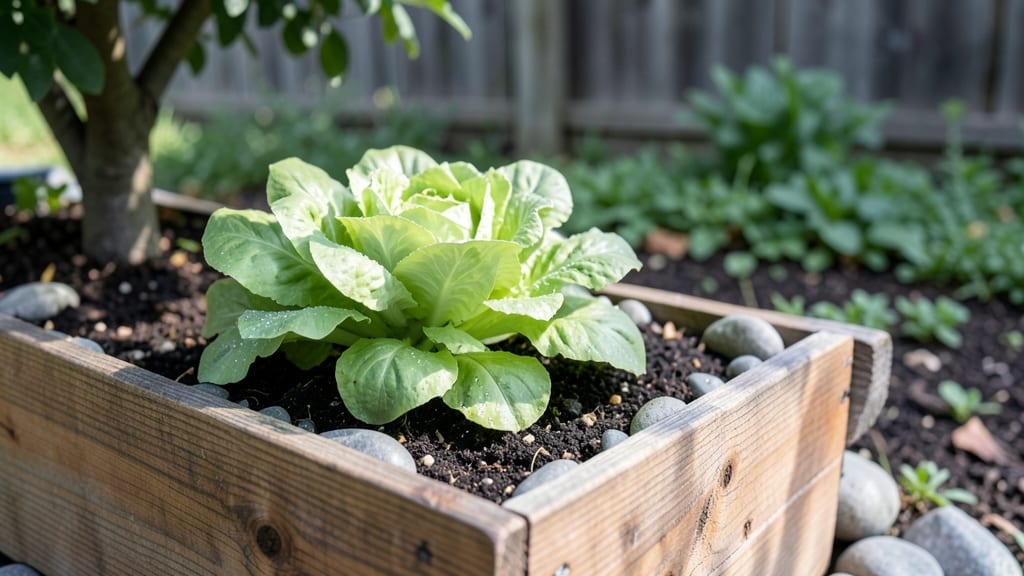
The benefits of gardens in schools create measurable improvements in student focus, hands-on science and math learning, and environmental awareness through growing plants and studying ecosystems. These programs also help lower student stress while encouraging more physical activity.
School gardens transform learning environments by combining outdoor activity with academic growth.
Studies show students in gardening programs demonstrate better concentration—especially in urban areas where green spaces are limited. 🌱 The hands-on nature of planting and observing plant life makes abstract science concepts tangible, while the physical work of tending gardens naturally increases movement throughout the day.
What's particularly exciting is how these gardens create cross-curricular connections, from measuring plant growth in math class to tracking weather patterns in science.
Beyond academics, school gardens serve as stress-relief spaces where students can practice mindfulness through nurturing living things. The sensory experience of touching soil, smelling herbs, and watching plants grow provides immediate mood benefits.
Many schools report reduced behavioral issues during garden time, as students who might struggle with classroom focus often thrive in these low-pressure outdoor settings. The social aspect can't be overstated either—gardening projects naturally foster teamwork and communication skills.
💡 In This Article
- Science-Backed Learning Gains from School Gardens
- How to Start and Maintain a School Garden Program
Science-backed learning gains from school gardens
Here's what's actually happening in students' brains when they work in school gardens: exposure to natural environments triggers what scientists call "attention restoration theory."
This concept, developed by psychologists Rachel and Stephen Kaplan, explains how directed attention (like focusing on a math problem) gets fatigued, but undirected attention (like watching plants grow) allows the brain to recover.
Studies from the University of Illinois found that students who spent just 20 minutes in a garden showed improved focus and working memory—critical skills for academic performance. The visual complexity of plants, combined with the rhythmic tasks of gardening, creates a "soft fascination" that reduces mental fatigue.
The hands-on nature of school gardens turns abstract STEM concepts into tangible lessons. For example, measuring plant growth introduces real-world applications of metric conversions and data collection—skills directly tied to math standards.
A study in the Journal of Environmental Education showed that students who tracked soil pH levels and plant heights demonstrated a 30% improvement in science test scores compared to peers who learned the same concepts through textbooks alone.
The tactile experience of handling soil samples also enhances sensory learning, particularly for students who struggle with traditional classroom instruction. 🌱 What's fascinating is how these gardens create "teachable moments" that textbooks simply can't replicate—like explaining photosynthesis through observing leaves change color in autumn.
School gardens also work as natural stress relievers by lowering cortisol levels—the hormone linked to anxiety. Research from the University of Florida found that gardening activities reduced stress by 24% in students with high anxiety levels, with the most significant improvements occurring when students had ownership over their plants.
The combination of physical activity, sunlight exposure, and the satisfaction of nurturing living things creates a "triple benefit" for mental health. This is particularly valuable in urban schools where students may have limited access to green spaces.
The social aspect adds another layer—students who might not engage in classroom discussions often collaborate naturally when planning garden layouts or troubleshooting plant problems.
One surprising benefit emerges in literacy development: gardening vocabulary becomes part of everyday language. Students begin using terms like "pollination," "photosynthesis," and "soil composition" in their writing and conversations.
A study from the University of Minnesota tracked students who wrote garden journals and found their science writing improved by 42% over a school year, with richer descriptive language. The multi-sensory experience—smelling herbs, feeling different soil textures, tasting homegrown vegetables—creates vivid mental imagery that enhances creative writing.
What most people don't realize is how these gardens become "living textbooks" that make complex concepts memorable through direct experience.
The cognitive benefits extend to long-term academic performance. A longitudinal study published in the Journal of Experimental Education followed students from gardening programs through high school and found they scored 15% higher on standardized tests in both math and science compared to non-participants.
The key factor appears to be how gardens create "real-world contexts" for learning—students who measure seed germination rates or calculate irrigation needs develop problem-solving skills that transfer to other subjects. The physical movement involved in gardening also improves fine motor skills, which correlates with better handwriting and note-taking abilities. 💫
For schools considering garden programs, the research shows the most effective implementations combine structured curriculum with flexible exploration time. The best results occur when gardens are integrated with existing lesson plans rather than treated as extracurricular activities.
For instance, a 4th-grade math class might use garden measurements to practice fractions, while a biology unit could track insect populations. The secret sauce is making the garden an active part of daily learning—not just a decorative space.
Schools that treat gardens as educational tools see the most significant academic and behavioral improvements.