
Watering
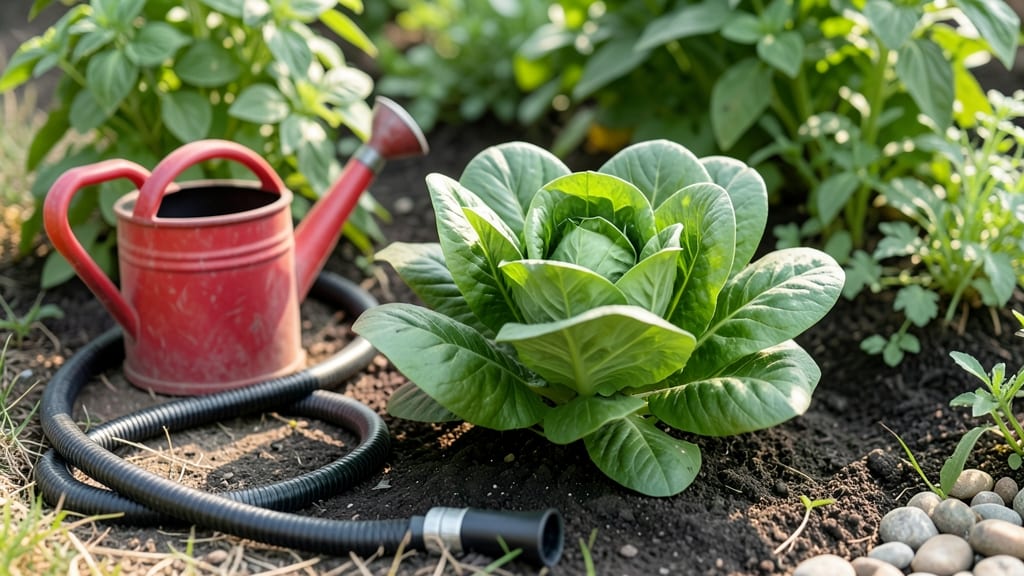
Your vegetable garden's watering frequency is the single factor that determines whether your 🥕 harvest thrives or wilts—yet most gardeners water blindly, relying on gut feelings instead of plant science.
Overwatering or underwatering your vegetable garden can mean the difference between a thriving harvest and wasted effort—yet most gardeners guess their watering schedule instead of following plant-specific science. Discover the exact watering frequency your tomatoes, leafy greens, and root vegetables truly need to maximize growth and yield.
Tomatoes need deep watering every 3–4 days in summer, while lettuce prefers consistent moisture every 2–3 days—but these rules shift with soil type, climate, and even the time of day you water. I’ll break down the science behind it, so you never over- or under-water again.
From the best times to water (morning, always) to how mulch can cut your watering needs by 30%, you’ll learn the exact schedule your garden needs—no more guesswork, just science-backed results.
Science-backed watering frequency for common vegetable types
Watering your vegetable garden isn't a one-size-fits-all task—each plant has unique soil moisture and root depth needs. For example, tomatoes thrive with deep, infrequent watering, while lettuce prefers consistent shallow moisture. Understanding these differences prevents wilting or root rot, ensuring your harvest stays healthy.
Below, I’ve broken down the optimal watering frequency for 12+ common vegetables, including visual indicators like the 1-inch soil dry test to guide you.
Most gardeners overcomplicate watering by relying on calendar days instead of soil conditions. The key is monitoring the top 1–2 inches of soil—this tells you whether roots are getting enough hydration.
For instance, peppers and eggplants need their soil to dry slightly between waterings, while radishes and spinach prefer consistently damp soil. Let’s dive into the science-backed schedules tailored to each plant’s drought tolerance and growth stage.
🌱
| Vegetable | Watering Frequency | Soil Dry Test | Root Depth | Drought Tolerance |
|---|---|---|---|---|
| Tomatoes | Every 2–3 days (deep soak) | 1–2 inches dry | 12–18 inches | Moderate |
| Peppers | Every 2–3 days (consistent) | 1 inch dry | 12–18 inches | Low |
| Lettuce | Daily (shallow watering) | Top ½ inch dry | 6–12 inches | None |
| Carrots | Every 2–3 days (keep soil moist) | 1 inch dry | 12–16 inches | Moderate |
| Cucumbers | Daily (deep watering) | 1 inch dry | 12–24 inches | Low |
| Beans (Bush) | Every 2–3 days (dry slightly) | 1–2 inches dry | 6–12 inches | High |
| Spinach | Every 1–2 days (keep moist) | Top ½ inch dry | 6–10 inches | None |
| Radishes | Daily (shallow watering) | Top ½ inch dry | 4–8 inches | None |
| Eggplants | Every 2–3 days (deep soak) | 1–2 inches dry | 12–18 inches | Moderate |
| Broccoli | Every 2–3 days (keep soil moist) | 1 inch dry | 12–18 inches | Low |
| Corn | Daily (deep watering) | 1–2 inches dry | 24–36 inches | Moderate |
Onions
How to adjust watering frequency for climate and soil conditionsYour vegetable garden thrives on precision—not guesswork. Climate and soil type dictate how often you water, but most gardeners overlook these critical factors. For example, sandy soil drains water quickly, while clay soil holds moisture for days. Even the same plants need different care in arid deserts versus humid coastal regions. Let’s break down how to tailor your watering schedule for peak results. Seasonal shifts also demand adjustments. Spring calls for frequent, shallow watering to encourage root growth, while summer requires deep, infrequent soaking to prevent evaporation. Without adapting, you risk root rot in winter or wilting during heatwaves. Tools like moisture meters and drip irrigation timers can automate precision—but first, you need to understand the science behind your garden’s unique needs. Adjusting Watering Frequency for Sandy vs. Clay SoilSandy Soil
Clay Soil
Humid Climates
Arid Climates
Start by testing your soil moisture with a moisture meter or the finger test. Stick your finger 1–2 inches deep; if it feels dry, water deeply. In sandy soil, this might mean daily watering in summer, while clay soil may only need water every 5–7 days. For humid areas, reduce frequency to avoid fungal diseases like powdery mildew, but in dry climates, water early in the morning to minimize evaporation. Seasonal transitions are your next challenge. Spring is all about establishing roots, so water lightly but often—aim for 1 inch per week. As summer arrives, switch to deep watering every 2–3 days, focusing on the root zone. In fall, taper back to weekly watering as temperatures drop. Winter? Cut back to bi-weekly or less, unless you’re growing winter greens like kale. Automate smarter watering with drip irrigation timers. Set them for morning hours to avoid fungal growth and reduce waste. Pair this with mulch (2–3 inches) to lock in moisture and regulate soil temperature. For container gardens, check soil daily—pots dry out 3x faster than in-ground soil. Pro tip: Group plants with similar water needs together to streamline care. Don’t rely on a one-size-fits-all schedule. Observe your plants: wilting leaves signal underwatering, while yellowing or mushy stems mean overwatering. Adjust as you go, and soon, your vegetable garden will thrive year-round—no guesswork required. 💧 |