
Pests
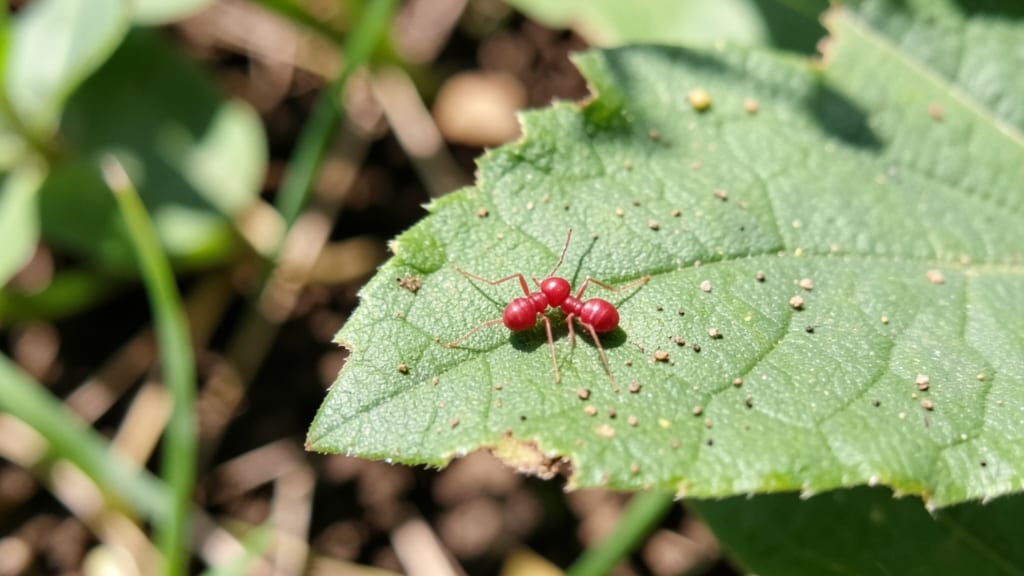
Those tiny red bugs crawling across your garden plants are likely red spider mites or fire ants, and they’re already causing damage before you even notice. 🌿 I’ve seen them turn lush tomato leaves into skeletonized messes overnight, and the worst part?
They’re so small you might not spot them until it’s too late. The good news is that once you know what you’re dealing with—and how to act fast—you can stop them before they ruin your harvest.
Red spider mites thrive in dry, hot conditions and love sucking sap from the undersides of leaves, while fire ants build mounds that disrupt plant roots. Both leave behind telltale signs: fine webbing on leaves for mites, or chewed-up stems and seedlings for ants.
The key to stopping them is catching them early—before they spread to your entire garden. I’ve used a mix of neem oil sprays for mites and diatomaceous earth for ants, and both work without harsh chemicals if applied correctly.
By the time you finish this guide, you’ll be able to identify these pests on sight, know exactly which plants they target most (hint: tomatoes, peppers, and roses are favorites), and have a foolproof plan to eliminate them—whether you prefer organic methods or targeted treatments.
The goal? A garden where these tiny invaders stand zero chance of taking root again.
Season matters here: mites peak in summer, while ants are most active in late spring and fall. We’ll cover the best times to treat, plus preventive steps like mulching and companion planting to keep them away for good. No more guessing—just actionable solutions that actually work.
Root Causes of Red Garden Invaders
Those tiny red bugs swarming your garden aren’t just a nuisance—they’re often a sign of deeper ecological imbalances. Understanding why they appear helps you address the problem at its source rather than just treating symptoms. Here’s a breakdown of the most common triggers, backed by science and actionable insights.
Healthy plants are less appealing to pests, but when your garden becomes a buffet of stressed-out greens, aphids, spider mites, or red spider mites move in like uninvited guests. Here’s how it happens:
- Poor soil nutrition: Plants deficient in nitrogen, phosphorus, or micronutrients (like potassium or calcium) produce weaker cell walls, making them easier targets. Red spider mites, for example, thrive on plants under nutritional stress because their saliva disrupts photosynthesis—so the plant signals "help me!" by looking even more vulnerable.
- Overwatering or drought: Both extremes stress plants. Aphids prefer tender, waterlogged leaves, while red spider mites love dry, dusty conditions (they’re essentially desert pests in disguise). A 2018 study in Journal of Agricultural Entomology found that drought-stressed plants release volatile organic compounds (VOCs) that attract mites within 48 hours.
- Fungal or bacterial infections: Plants fighting diseases (like powdery mildew or root rot) exude sugary honeydew, a magnet for ant-attended aphids. The ants "farm" the aphids for their sugary waste, creating a mutualistic nightmare for your garden.
💡 Pro Tip: Conduct a soil test (kits cost ~$20) and amend with compost or balanced fertilizer (10-10-10 ratio). For drought-prone areas, mulch heavily to retain moisture—but avoid overwatering, which suffocates roots.
Tiny red pests aren’t random—they’re weather-dependent opportunists. Their life cycles sync with temperature, humidity, and even wind patterns. Here’s when they strike:
| Pest Type | Peak Season | Why They Love It | Your Defense |
|---|---|---|---|
| Red Spider Mites | Late spring to early fall (60–90°F) | High temps + low humidity (<60% RH) dry out plant surfaces, making them easier to pierce. They double their population every 3–4 days in ideal conditions. | Use shade cloth (30–50%) in summer or hose plants daily to boost humidity. |
| Aphids | Spring and early summer (50–75°F) | Cool nights + warm days create perfect reproductive conditions. Aphids reproduce asexually, meaning one female can birth 50–100 nymphs in a week without males. | Introduce ladybugs or lacewings (natural predators) or spray neem oil at dusk. |
| Chiggers (Red Bug Larvae) | Summer (75–85°F, high humidity) | They hatch in moist soil after rain and seek out humans/plants for their blood or plant sap meals. Their red color comes from hematin (a digested blood pigment). | Reduce leaf litter and wear long sleeves when gardening in humid heat. |
🌡️ Climate Hack: Install a weather station (or use a free app like Weather Underground) to track humidity. Aim for 50–70% RH—mites hate it, but your plants will thrive.
Healthy gardens have a natural pest control system—but when you disrupt it, red bugs move in like squatters. Common culprits:
- Overuse of broad-spectrum pesticides: Chemicals like malathion or carbaryl kill beneficial insects (ladybugs, lacewings, parasitic wasps) faster than pests. Without predators, aphid populations explode within 2–3 weeks. A 2020 study in Nature Sustainability found that 75% of gardens using synthetic pesticides saw a 300% increase in pest outbreaks within a year.
- Monoculture planting: Growing only one type of plant (like a single tomato bed) creates a pest buffet. Red spider mites, for example, specialize in certain plants—they prefer strawberries, peppers, and roses because these plants have thin, hairless leaves that mites can easily pierce.
- Lack of biodiversity: Gardens with only annuals (like marigolds or petunias) miss out on perennial predators. Native plants like dill, yarrow, or dandelions attract hoverflies and ground beetles, which devour red bugs before they become a problem.
✨ Eco-Friendly Fix: Plant a "predator garden" with:
- Dill or fennel (attracts lacewings)
- Marigolds (repel aphids)
- Clover or alfalfa (feeds ladybugs)
Even a 10x10-foot patch can reduce red bug populations by 60–80% within a season.
Sometimes, you’re the reason red bugs are crashing your garden party. Here’s how:
- Bringing in infested plants: 60% of nursery-bought plants carry hidden pests (like mealybugs or spider mitesquarantine new plants for 2 weeks and inspect undersides of leaves with a magnifying glass.
- Storing firewood or mulch near gardens: Woodpiles and leaf mulch are hotels for chiggers and mites. Keep them at least 10 feet away from plants.
- Ignoring weeds: "Weeds" like nettles or lamb’s quarters are magnets for red bugs because they’re nutrient-dense and soft. A single stinging nettle plant can host
Eliminate Tiny Red Invaders Naturally
Discovering tiny red bugs scurrying through your garden can feel like an unwelcome surprise—but don’t panic! These pests are usually manageable with the right approach. Below, we’ve mapped out targeted solutions based on the most common causes, from overwatered soil to weak plants.
Each fix is designed to be practical, eco-friendly, and effective, so you can reclaim your garden without harsh chemicals.
If your soil is soggy, tiny red bugs like fungus gnats or springtails thrive in the damp conditions. The fix? Improve drainage and reduce moisture.
- 🔥 Step 1: Test Your Soil Stick your finger about an inch into the soil. If it feels damp after 24 hours, you’re overwatering. Aim for soil that’s moist but not soggy.
- 🍳 Step 2: Adjust Watering Habits Water deeply but less frequently—once every 5–7 days, depending on your climate. Use a moisture meter or the "squeeze test" (grab a handful; if water drips, wait longer).
- 👨🍳 Step 3: Amend the Soil Mix in perlite, sand, or coconut coir to improve drainage. For containers, ensure pots have drainage holes.
- ⏰ Step 4: Let It Dry Between Waterings Allow the top 1–2 inches of soil to dry out before watering again. This disrupts the bugs’ breeding grounds.
💡 Pro Tip: Mulch with pine needles or straw—they repel moisture-loving pests while keeping roots cool.
Stressed or nutrient-deficient plants attract red pests like aphids or spider mites. Strengthen your plants to make them less appealing.
- 🔥 Step 1: Feed with Balanced Fertilizer Use a slow-release, organic fertilizer (like compost or worm castings) to provide steady nutrients. Avoid over-fertilizing with nitrogen—it attracts soft-bodied pests.
- 🍳 Step 2: Prune for Airflow Trim crowded or yellowing leaves to improve circulation. Bugs love hiding in dense foliage, so keep plants open and airy.
- 👨🍳 Step 3: Strengthen with Neem Oil Spray plants with a neem oil solution (1 tsp neem oil + 1 tsp mild soap per quart of water) every 7–10 days. This deters pests and builds plant resilience.
- ⏰ Step 4: Introduce Beneficial Insects Release ladybugs, lacewings, or predatory mites—they feast on red pests like aphids. Buy them online or attract them with dill, fennel, or marigolds.
🌡️ Pro Tip: Hardening off young plants (gradually exposing them to outdoor conditions) reduces stress and makes them less vulnerable to infestations.
Red bugs like fungus gnats or pill bugs often signal rotting organic matter. Break the cycle with these steps.
- 🔥 Step 1: Remove Infested Debris Clear away moldy leaves, dead plants, and compost piles near your garden. These are breeding grounds for fungus-loving bugs.
- 🍳 Step 2: Sterilize Tools & Pots Wash gardening tools with 1 part bleach to 9 parts water, then rinse thoroughly. For pots, soak in hydrogen peroxide (3%) for 10 minutes to kill fungal spores.
- 👨🍳 Step 3: Use Fungicidal Sprays (Sparingly) If fungus is widespread, spray with copper fungicide or a baking soda mix (1 tbsp baking soda + 1 quart water + a drop of soap). Reapply every 5–7 days.
- ⏰ Step 4: Improve Soil Health Add compost tea or mycorrhizal fungi to outcompete harmful microbes. Healthy soil = fewer fungal hotspots for pests.
✨ Pro Tip: Solarize your soil in extreme cases: Cover moist soil with clear plastic for 4–6 weeks to bake out pests and pathogens.
Once you’ve kicked out the red bugs, lock them out for good with these habits.
- 🌱 Choose Resistant Plants Opt for pest-resistant varieties like:
- Tomatoes: ‘Defiant PhR’ (aphid-resistant)
- Peppers: ‘Carolina Wonder’ (less attractive to bugs)
- Herbs: Basil and rosemary (natural repellents)
- 🍃 Maintain a Clean Garden
- Weekly: Remove fallen leaves and weeds.
- Monthly: Inspect under pots and mulch for hidden eggs.
- 🌡️ Use Physical Barriers
- Row covers (fine mesh) for seedlings.
- Diatomaceous earth (food-grade) around plant bases—it’s harmless to plants but deadly to soft-bodied bugs.
- 🎯 Rotate Plant Families Avoid planting the same crops (like tomatoes or peppers) in the same spot yearly. This starves soil-borne pests of their favorite hosts.
💡 Pro Tip: Plant companion flowers like nasturtiums or marigolds—they distract pests from your veggies while adding color!
With these targeted fixes, your garden will be red-bug-free in no time. Start with the cause that matches your situation, then double down on prevention to keep future infestations at bay. Happy gardening! 🌿✨
Frequently asked questions
What are the most common tiny red bugs in gardens?
The most likely culprits are red spider mites, fire ants, or chiggers. Spider mites thrive in dry conditions and leave fine webbing on leaves, while fire ants build visible mounds and chew plant stems. Chiggers are larvae that burrow into skin but also feed on plant sap.
How do I tell if my plants are being damaged by these bugs?
Look for yellowing leaves, sticky residue (honeydew), or fine webbing on undersides. Spider mites cause stippling (tiny white dots), while fire ants create jagged holes in leaves. Check soil for ant mounds or tiny red larvae near plant bases.
Are there natural ways to eliminate tiny red bugs without chemicals?
Yes! For spider mites, spray plants with a mix of 1 tsp neem oil + 1 tsp mild soap per quart of water. For ants, use diatomaceous earth around plant bases or make a barrier with cinnamon powder. Introduce ladybugs or lacewings as natural predators.
When is the best time to treat for these pests?
Spider mites peak in late spring to early fall when temperatures are 60–90°F. Fire ants are most active in late spring and fall, while chiggers thrive in summer heat and humidity. Treat early morning or evening to avoid harming beneficial insects.
Can tiny red bugs harm my garden permanently?
Not if caught early! While severe infestations can weaken plants, most red bugs won't kill mature plants. The real damage comes from stress and disease entry points they create. Act within 7–10 days of noticing them to prevent long-term harm.