
Tools
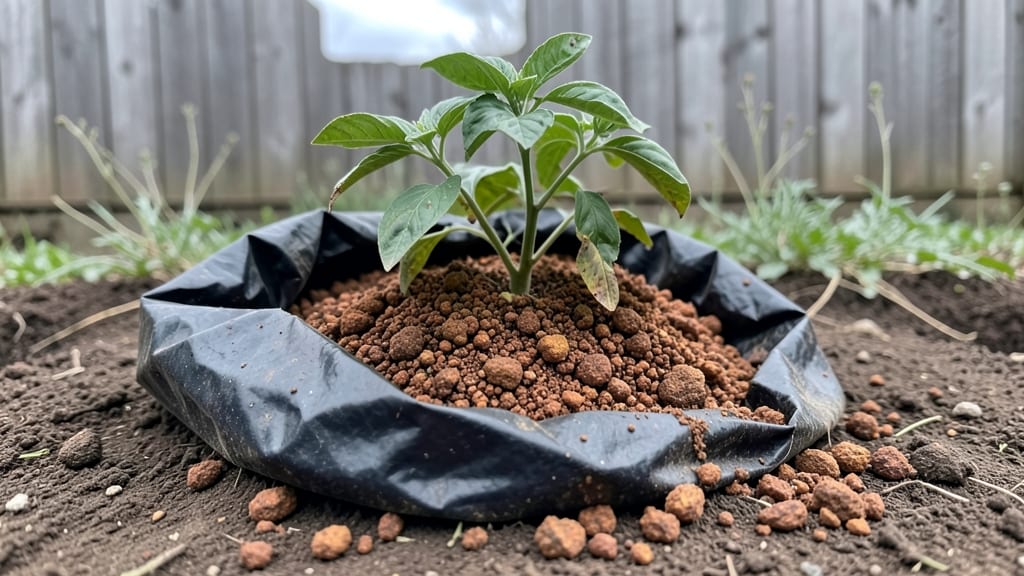
Reviving a rusted garden means tackling overgrowth carefully to avoid harming the soil's delicate ecosystem. Focus on thinning dense foliage while keeping roots intact, then aerate compacted soil and reintroduce native plants slowly to rebuild microbial balance.
A "rusted garden" isn't just messy—it's a sign of soil exhaustion where thick vines and invasive weeds choke out native life.
The real damage happens underground: roots suffocate from compacted soil, and beneficial fungi like mycorrhizae starve without proper oxygen flow. 🌱 I've seen gardens where aggressive plants like kudzu or English ivy take over, crowding out pollinators and disrupting the natural nutrient cycle.
The key is working with the soil's existing structure rather than forcing drastic changes that could kill the good bacteria keeping your plants healthy.
Start by identifying which plants are helping (like clover that fixes nitrogen) versus which are hurting (like bamboo that spreads uncontrollably). Use a broadfork to loosen soil without turning it over—this preserves the microbial communities while improving drainage.
For organic matter, I recommend composted hardwood mulch over fresh grass clippings, as it breaks down slowly and won't create heat spikes that harm roots.
💡 In This Article
- How Overgrowth Damages Soil Health
- Step-by-Step Restoration Plan for Neglected Gardens
How overgrowth damages soil health
Dense vegetation in a neglected garden creates a suffocating environment where roots compete aggressively for nutrients and water. The problem starts with nutrient depletion—thick ground covers like ivy or creeping Charlie cast dense shade that blocks sunlight, slowing photosynthesis in underlying plants.
This forces roots to extend deeper in search of nutrients, while the topsoil loses its organic layer faster than it can replenish. Studies show that heavily overgrown areas can lose up to 30% of their microbial diversity within just two growing seasons due to this competition.
Compaction is the next major issue, where foot traffic, fallen leaves, and dense root mats press soil particles together. This creates a hardpan layer just 2-4 inches below the surface that restricts water infiltration and oxygen flow.
Without proper aeration, mycorrhizal fungi—the beneficial networks that connect plant roots to soil nutrients—struggle to function. These fungi can reduce by 50% in compacted soil, directly impacting a plant's ability to absorb phosphorus and nitrogen. You'll notice this in stunted growth or yellowing leaves, even when you're watering regularly.
Invasive species take this disruption further by outcompeting native plants. For example, English ivy spreads via underground rhizomes that release allelopathic chemicals, inhibiting seed germination of nearby plants. These chemicals can linger in the soil for years, creating a biochemical barrier that prevents new growth.
The ecological imbalance also reduces biodiversity—fewer native plants mean fewer pollinators and beneficial insects, which further weakens the garden's natural resilience. 🌿 What most gardeners don't realize is that this damage often starts with just a few aggressive plants going unchecked.
Moisture regulation becomes erratic in overgrown areas too. Dense foliage can create a microclimate where water evaporates slowly, leading to fungal growth like powdery mildew, while the soil beneath stays waterlogged in other spots. This inconsistency stresses plants and encourages pests.
The root systems of invasive species also alter soil chemistry by changing pH levels—some, like bamboo, can raise soil alkalinity by up to 1.5 pH points in just three years, making it inhospitable for acid-loving plants.
Here's the science behind the microbial collapse: Soil health depends on a balance of aerobic (oxygen-loving) and anaerobic (oxygen-deprived) bacteria. Overgrowth shifts this balance toward anaerobic microbes, which produce harmful compounds like hydrogen sulfide.
These not only stink but also inhibit plant growth. The good news? This damage is reversible with proper intervention—starting with targeted thinning that preserves existing microbial networks while improving soil structure.