
Tools
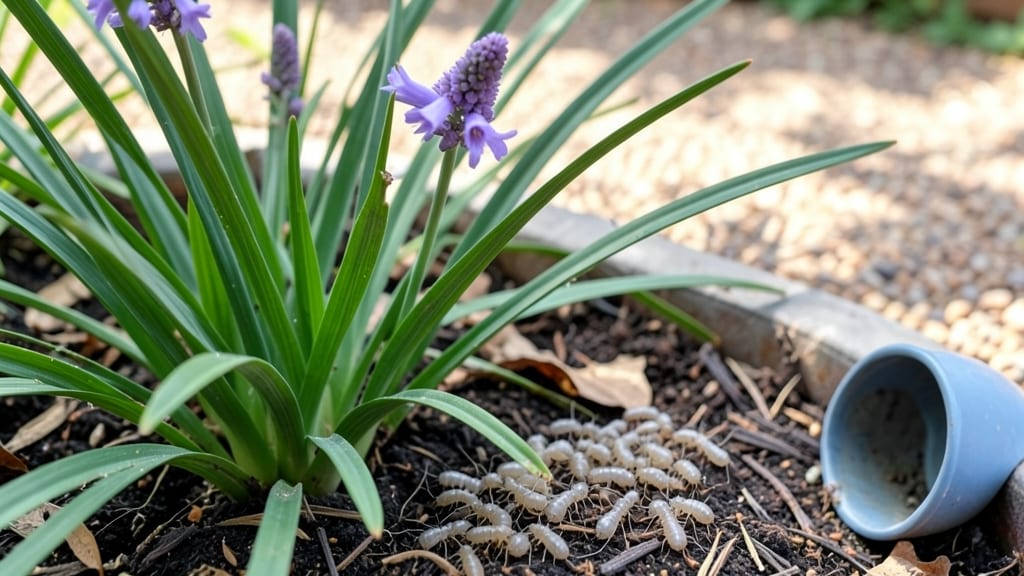
Finding termites in your garden means your soil—and plants—are at risk unless you act fast. 🌱 I’ve battled these silent destroyers before, and the key is catching them early with methods that won’t poison your garden’s roots or the creatures that keep it healthy.
Termites leave telltale signs: mud tubes on wood, hollow-sounding stems, or swarms of winged insects near lights. The good news? Most gardeners can handle small infestations with soil-safe treatments like nematodes, diatomaceous earth, or even strategic mulching. These work without harming your plants or the beneficial insects you rely on.
By the time you’re done, your garden will stay termite-free while keeping the soil thriving. You’ll spot fewer mud tubes, stronger plant stems, and a healthier ecosystem—no harsh chemicals required. Here’s how to protect what you’ve grown.
This approach works for vegetable beds, flower gardens, and even compost piles. The secret is consistency: check for signs every few weeks, especially after rain, and act before the colony grows. Your plants—and your peace of mind—will thank you.
Hidden Termite Triggers Explained
Termites don’t just appear in your garden out of nowhere—they’re drawn by specific conditions that turn your yard into an all-you-can-eat buffet. Understanding these triggers is the first step to stopping them before they cause real damage.
Here’s why your garden might be a termite magnet, broken down into the most common causes.
Termites thrive in environments that mimic their natural habitats—warm, humid, and rich in cellulose (the stuff wood and plant matter are made of). If your garden soil stays damp or shaded, it becomes an ideal breeding ground. Here’s why:
- Excess moisture: Termites need water to survive, and soggy soil provides it. Poor drainage, overwatering, or even mulch piled too thick can create the perfect moisture trap. Pro tip: 🌡️ If your soil stays damp for more than 24 hours after watering, you’ve got a termite risk zone.
- Decaying organic matter: Dead leaves, fallen branches, and rotting wood aren’t just eyesores—they’re termite buffets. Subterranean termites, the most common garden invaders, feed on cellulose, and decaying plant material is a smorgasbord. Even compost piles can attract them if not managed properly.
- Shady, undisturbed areas: Termites avoid direct sunlight, which dries them out. If your garden has dense shrubs, tall grass, or piles of debris blocking sunlight, you’re creating a termite-friendly microclimate.
💡 Actionable fix: Improve drainage with sand or gravel, reduce mulch thickness (keep it 2–3 inches deep), and clear away fallen leaves and wood debris regularly. If you compost, use a closed bin and turn the pile frequently to limit moisture buildup.
Not all plants are created equal when it comes to termite attraction. Some species release chemicals or provide shelter that termites find irresistible. Here’s what to watch for:
- Fast-growing or weak wood plants: Trees like willows, poplars, and fruit trees (especially citrus) have softer wood that termites can chew through easily. Even healthy-looking plants can become termite targets if their roots are compromised.
- Mulch made from wood chips: While mulch helps retain moisture, cypress or cedar chips are particularly attractive to termites because they contain natural oils that termites find appealing. Pro tip: 🌿 Opt for pine bark mulch or straw, which are less enticing.
- Plants with hollow stems: Bamboo, certain grasses, and even some ornamental plants have hollow stems that termites can nest in. If you spot tiny holes or sawdust-like frass (termite droppings) near the base, it’s a red flag.
🎯 Actionable fix: Replace termite-loving mulch with inorganic options like gravel or rubber mulch. If you have bamboo or hollow-stemmed plants, inspect them regularly and remove any damaged sections. For high-risk trees, apply borate-based soil treatments to deter termites.
Termites don’t just stop at the garden—they see your house as an extension of their feast. If your garden is touching or too close to your home’s foundation, you’re creating a direct highway for them to invade. Here’s how it happens:
- Wood-to-soil contact: If firewood, wooden deck supports, or even untreated lumber (like old fence posts) are touching the ground near your home, termites will use them as bridges to reach your structure.
- Cracks in foundations or slabs: Even small gaps in concrete or brickwork can provide termites with access to your home’s interior. They’ll tunnel through these cracks, undetected, until they find a cellulose source inside.
- Poorly sealed utility lines: PVC pipes, electrical conduits, and drainage pipes can create hidden pathways for termites. If these are buried near your garden, termites can travel along them unnoticed.
🔥 Actionable fix: Create a 6-inch gap between any wood and the soil, and use metal or termite-resistant materials (like composite decking) for garden structures. Seal cracks in your foundation with sand-cement mixtures and consider installing a physical barrier, like a metal termite shield, around your home’s perimeter.
Termites don’t just move in—they reproduce in your garden. When conditions are right, colonies send out winged "swarmers" (reproductive termites) to start new nests. If you’ve ever seen tiny flying insects near your garden after rain, those were likely termite swarmers—and they’re a sign of an existing infestation nearby.
- Warm, rainy weather: Swarmers are most active during warm, humid conditions, often after spring rains. If your garden stays consistently moist, you’re signaling to termites that it’s a great place to establish a new colony.
- Existing termite activity: Swarmers only appear when a colony is mature and ready to expand. If you’ve had termites before, even if you’ve treated them, the original colony might still be lurking underground, waiting for the right moment to strike again.
- Lack of natural predators: Birds, ants, and other predators keep termite populations in check. But if your garden lacks diversity (e.g., no bird feeders, no ground-dwelling predators), termites can multiply unchecked.
✨ Actionable fix: After a rainstorm, inspect your garden for swarmers or shed wings near windows, lights, or plants. If you find them, it’s time to act—apply liquid termite baits or non-repellent termiticides to break the cycle. Encourage natural predators by adding birdhouses or native plants that attract beneficial insects.
Termite Control Made Simple
Termites in your garden aren’t just an annoyance—they can silently damage plants, weaken soil structure, and even threaten your home’s foundation. The good news? You don’t need harsh chemicals to tackle them. With the right soil-safe methods, you can eliminate termites and protect your garden’s health.
Below, we break down practical, eco-friendly solutions tailored to common causes, from moisture buildup to wood debris. Plus, we’ll share prevention tips to keep your garden termite-free long-term.
Termites thrive in damp, waterlogged soil—so if your garden stays soggy, it’s an all-you-can-eat buffet for them. How to dry it out and deter them:
💡 Drainage First: The Foundation of Termite Defense
- 👨🍳 Improve Soil Drainage
- Add organic compost (like coconut coir or aged manure) to heavy clay soil to loosen it.
- Create raised garden beds if your yard floods easily—termites avoid dry, elevated areas.
- Install French drains or swales (shallow trenches) to redirect water away from plant roots.
- ⏰ Mulch Smartly (Not Too Thick!)
- Use straw or wood chips (avoid untreated lumber, which attracts termites).
- Keep mulch 2–3 inches deep—thicker layers trap moisture and invite pests.
🌡️ Dry Out Problem Spots
- 🔥 Use a Dehumidifier for Greenhouses
- If termites are in a greenhouse, run a small dehumidifier (set to 50% humidity or lower).
- 💧 Water in the Morning
- Wet soil dries faster if you water before 10 AM, reducing overnight moisture buildup.
Old logs, stumps, and untreated wood create termite highways. Remove the temptation with these steps:
🔪 Clean Up Like a Pro
- 🌳 Remove Dead Wood Immediately
- Chop up fallen branches and bury them 12+ inches deep (termites can’t reach them).
- Replace wooden mulch with gravel or rubber chips in high-risk areas.
- 🏡 Check Your Deck & Fence
- Seal cracks in pressure-treated wood with borax-based wood preservatives (non-toxic to plants).
- Replace rotting wood—termites love weak, decaying structures.
🎯 Replace Termite-Favorite Plants
Some plants (like willows, mulberries, or fruit trees) attract termites. Swap them for termite-resistant options:
- 🌿 Safe Swaps:
- Marigolds (repel termites naturally)
- Lemongrass (contains citronella, a termite deterrent)
- Bamboo (harder for termites to digest)
If termites are already in your garden, non-toxic repellents can push them out without harming plants.
💡 DIY Termite Sprays & Barriers
| Method | How to Use | Effectiveness |
|---|---|---|
| Neem Oil Spray | Mix 1 tbsp neem oil + 1 tsp dish soap + 1 gallon water. Spray soil and wood. | ⭐⭐⭐⭐ (repels & disrupts molting) |
| Orange Oil | Apply undiluted orange oil to termite tunnels (safe for soil after drying). | ⭐⭐⭐⭐ (kills on contact) |
| Diatomaceous Earth (DE) | Sprinkle food-grade DE around plants and wood (reapply after rain). | ⭐⭐⭐ (dehydrates termites) |
| Coffee Grounds | Spread used coffee grounds near termite-prone areas (termites avoid the smell). | ⭐⭐ (mild deterrent) |
✨ Pro Tips for Long-Lasting Protection
- 🌡️ Solarize Infested Soil
- Cover moist soil with clear plastic sheeting for 4–6 weeks in hot sun (kills termites and eggs).
- 🔥 Use Termite-Resistant Soil
- Mix sand or perlite into garden beds—termites dislike coarse, dry soil.
- 🎯 Set Up Termite Traps
- Bury cardboard soaked in beer or borax near infestations—termites will crawl in and drown.
Once termites are gone, proactive steps ensure they don’t return.
💡 Year-Round Termite Prevention Checklist
- 🌳 Trim Overhanging Branches – Keep them 12+ inches from your house.
- 🏡 Inspect Foundation Cracks – Seal gaps with sand or gravel (termites avoid rough textures).
- 🌿 Rotate Crops & Mulch – Avoid planting the same termite-loving plants in the same spot yearly.
- 🔍 Monitor Regularly – Check for:
- Mud tubes (termite highways) on stems or walls.
- Frass (tiny wood pellets) near plants.
- Swarming winged termites (sign of a colony nearby).
Final Thought: Termites may be sneaky, but with smart drainage, clean-up habits, and natural repellents, you can outsmart them without harming your garden. Start with one fix today—whether it’s improving drainage or swapping mulch—and watch your termite problem shrink! 🚫🐜
Frequently asked questions
How do I know if I have termites in my garden and not just regular ants?
Termites leave behind mud tubes along stems or wood, while ants don’t build these tunnels. Look for swarmers (winged insects) after rain or near lights—termite wings are equal in size and drop off cleanly. Also check for frass (tiny wood pellets) near plants, which ants won’t produce.
Are termites in my garden dangerous to my house?
Yes, if left unchecked, garden termites can spread to your home’s foundation through cracks or wood-to-soil contact. Subterranean termites (the most common) build colonies underground and travel upward to feed on cellulose. Act fast if you spot mud tubes on your house walls or hear hollow-sounding wood.
Can I use vinegar to kill termites in my garden?
Vinegar is a mild repellent but won’t kill established colonies. Spray a 1:1 vinegar-water mix around plants and wood to deter termites temporarily. For better results, combine it with neem oil (1 tbsp vinegar + 1 tbsp neem oil + 1 gallon water) and reapply every 2 weeks.
Will nematodes work for garden termites?
Yes! Beneficial nematodes (Steinernema carpocapsae) target termite larvae in soil. Apply them after watering (they need moisture to move) and repeat every 4-6 weeks during warm seasons. They’re safe for plants and won’t harm beneficial insects like bees or ladybugs.
How often should I check for termites in my garden?
Inspect your garden every 2-3 weeks, especially after rain or when planting new wood. Focus on wooden structures, mulch piles, and plant stems. In high-risk areas (like humid climates), do monthly checks. Early detection prevents small problems from becoming costly repairs.