
Size
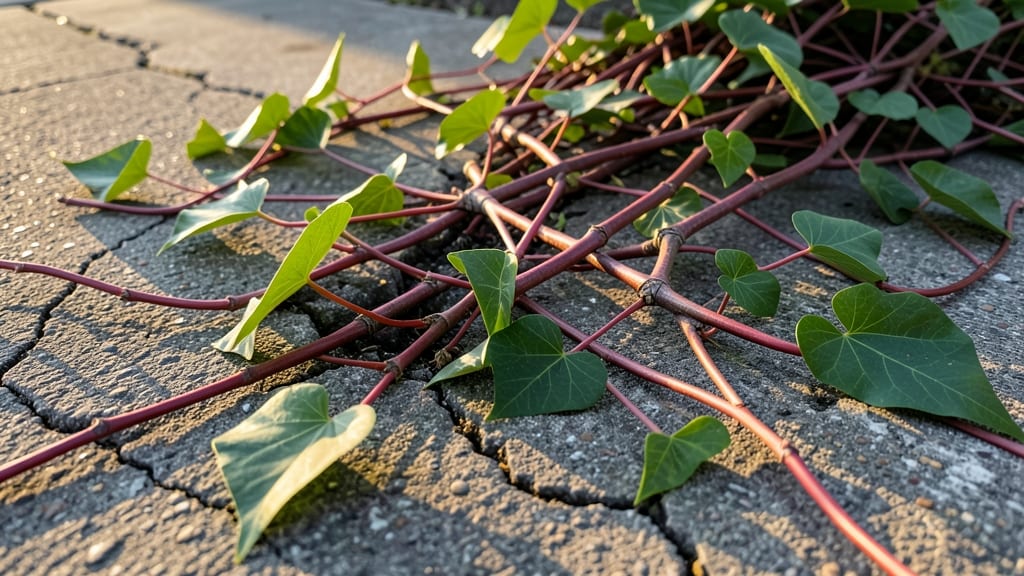
Tall garden weeds can quickly overtake your carefully cultivated plants, stealing nutrients and sunlight. Learn to identify these 10 aggressive invaders and remove them without harming your soil or garden ecosystem.
Giant Hogweed Identification Guide
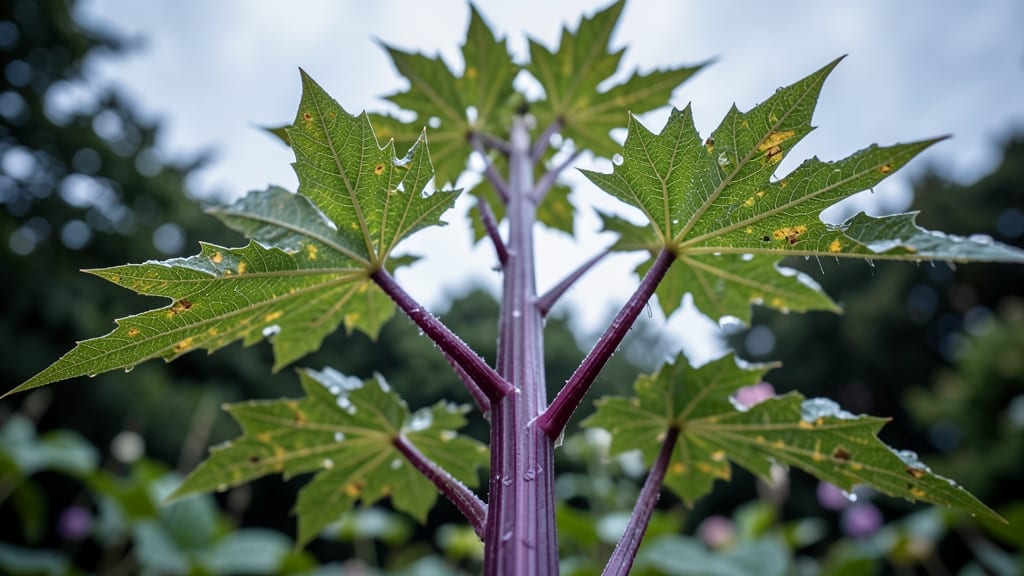
If you’ve ever spotted a towering plant with purple stems and jagged, 3-5 foot leaves, you might be looking at giant hogweed—the most dangerous weed in your garden. Its sap contains phototoxic chemicals that cause severe burns when exposed to sunlight, leaving blisters and scars for weeks.
This invasive biennial grows 10-14 feet tall with white flower clusters resembling Queen Anne’s lace but on a massive scale. The key to spotting it early is its deep purple stems and hairy leaves with prominent veins. Never touch it—even broken stems release sap that reacts with skin under UV light.
Gardeners with kids or pets should prioritize removal before seeds form in late summer. Use gloves, long sleeves, and a shovel to dig out roots, then bag the debris immediately. Early action prevents this highly invasive weed from dominating your landscape. 🌟
Thistle Weeds with Spiky Stems
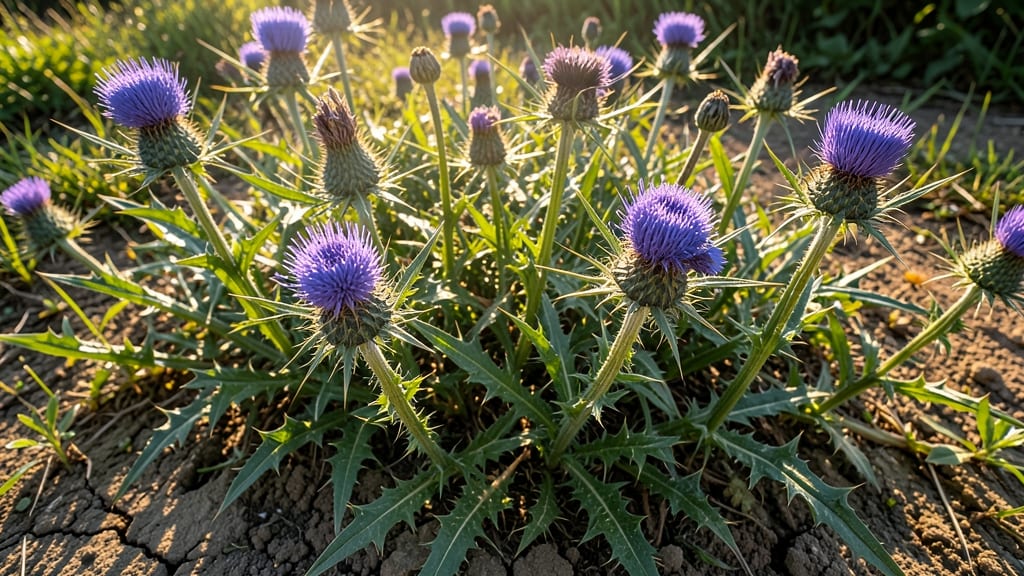
If your sunny garden borders are being overrun by plants with thorny stems that look like they belong in a fairy tale, you’re likely dealing with thistle weeds. These prickly invaders thrive in full sun and can quickly outcompete your prized seedlings, making them a nightmare for organic gardeners.
Thistles are easy to spot with their purple flower clusters and spiky, hair-covered stems that can reach 3-5 feet tall. The key to controlling them is early removal—use thick gardening gloves and a digging fork to extract the entire root system before they drop seeds. For young seedlings, create a physical barrier with cardboard or mulch to block thistle growth while protecting your plants.
These weeds are especially problematic for gardeners who prioritize chemical-free methods, as their aggressive spread can smother delicate crops. By acting fast and using protective barriers, you’ll keep your sunny borders thriving. 🌻
Canada Thistle Root System
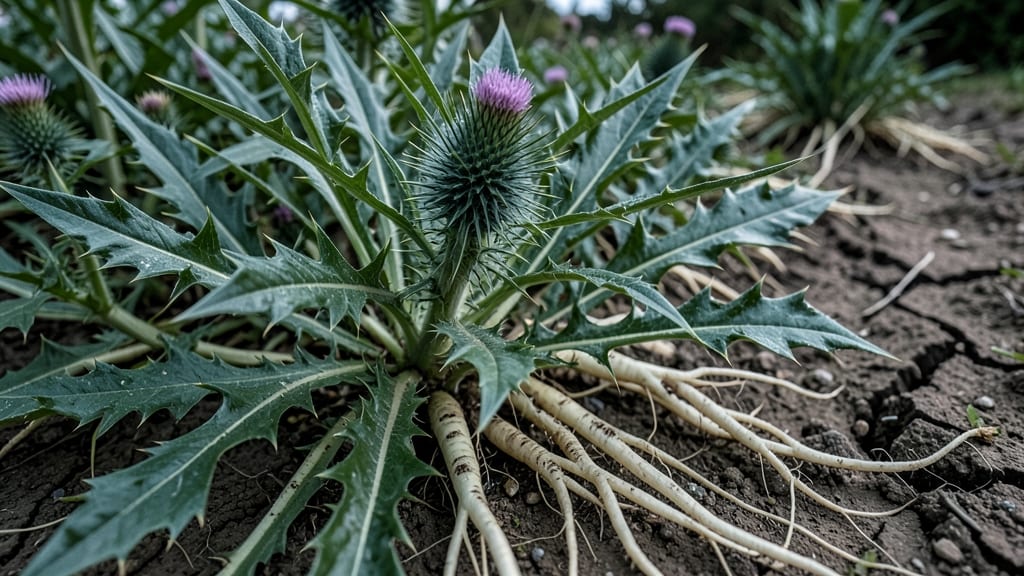
If you’ve ever pulled a Canada thistle by its stem and watched new shoots pop up days later, you’re not imagining things—this weed’s underground network is far more powerful than its spiky top. Unlike other tall weeds, its creeping rhizomes can spread 15+ feet horizontally, making traditional weeding methods useless.
The key to stopping it lies in the soil: these thick, woody roots store energy for years, allowing regrowth even after mowing or shallow tilling. Early intervention is critical—look for purple-tinged stems or rosettes of jagged leaves before they bolt into flower stalks. Solarization (covering with clear plastic in summer) or smothering with thick mulch can weaken the rhizomes over time.
This weed is a nightmare for urban gardeners and pasture managers, but knowing its hidden growth habits lets you outsmart it before it takes over. 💪
Mullein Weed with Yellow Flowers
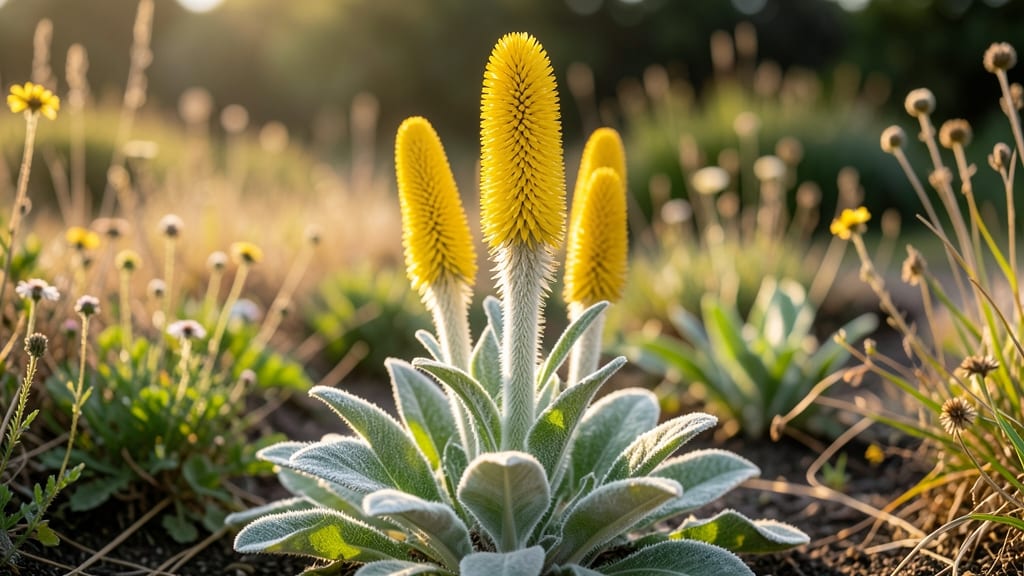
That towering mullein weed with its bright yellow flower spikes might look like a striking ornamental, but its fuzzy rosette stage is the real giveaway. Unlike aggressive invaders, mullein spreads slowly through seeds but can still dominate sunny garden edges if left unchecked.
Look for its woolly basal leaves arranged in a dense circle before it bolts into a 3-5 foot flower stalk. The key to distinguishing it from beneficial biennials like foxglove is timing—mullein’s rosette persists for years, while desirable plants usually flower and die in one season. Pull young rosettes in early spring before they establish.
This weed thrives in poor soil but won’t smother your plants like thistles or bindweed, making it ideal for gardeners who want to avoid harsh chemicals. 🌻
Teasel Weed with Purple Flower Heads
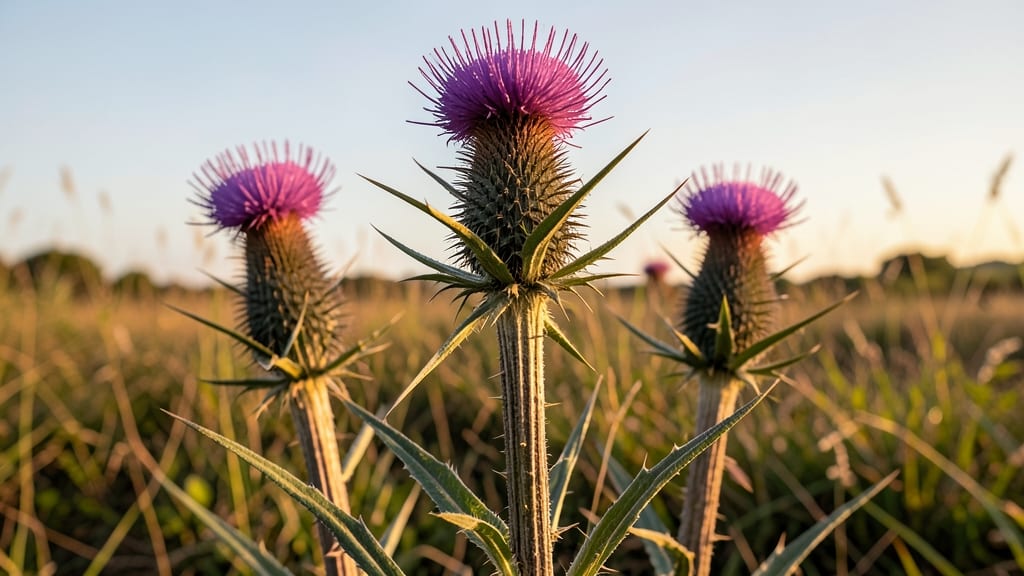
Those striking purple flower spikes of teasel weed might look like a pollinator magnet, but they’re actually a stealthy garden takeover artist. While bees and butterflies love their dramatic blooms, teasel’s aggressive self-seeding can quickly outcompete native wildflowers and perennials in sunny meadows or borders.
To stop its spread, remove teasel before the seed heads form—once those spiky bracts dry out, they’ll release thousands of seeds that germinate with alarming ease. Pull young plants when soil is moist, or use a sharp knife to cut stems at ground level. For established patches, smother with cardboard and mulch to block sunlight and prevent regrowth.
This weed is particularly problematic for native plant gardeners and those restoring wildflower meadows. While its beauty is undeniable, teasel’s persistence makes it a prime candidate for early intervention before it becomes a permanent fixture in your landscape. 🌻
Dandelion Gone Wild in Lawns
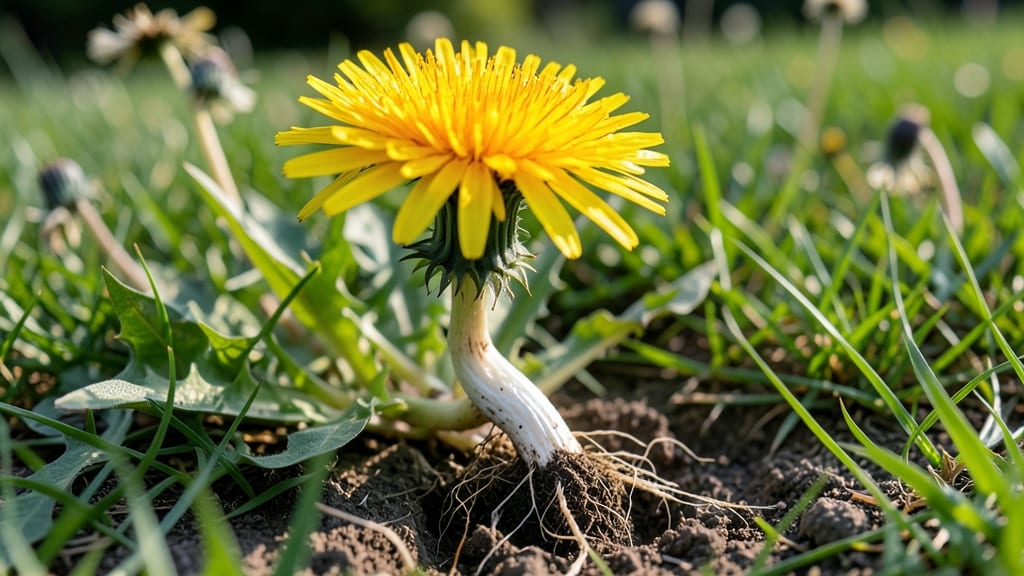
That cheerful dandelion popping up in your lawn might seem harmless, but its deep taproot can penetrate up to 15 inches into the soil, competing with grass for water and nutrients. What starts as a few scattered blooms can quickly turn into a prolific seed spreader, with each plant producing up to 200 seeds that travel on the wind.
Instead of reaching for chemical herbicides, try a natural approach: hand-pull young dandelions before they set seed, or use a dandelion-specific weed killer made from vinegar and dish soap for mature plants. For lawns, overseeding with dense grass varieties like fine fescue can outcompete dandelions by filling gaps in the turf.
This method is ideal for eco-conscious gardeners who want to maintain a lush lawn without harming pollinators or soil health. 🌱
Bindweed Vine Identification Tips
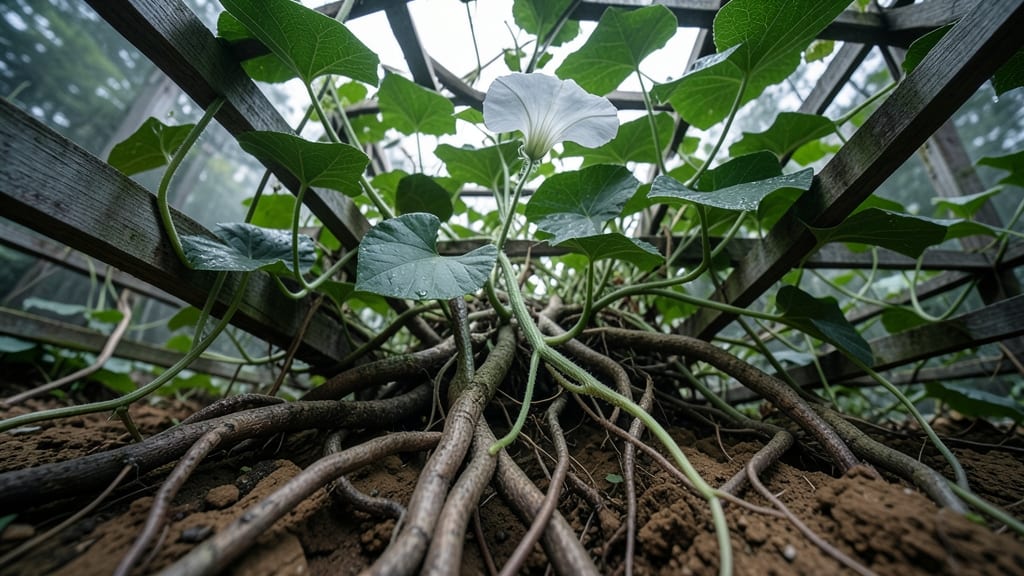
That white trumpet-shaped flower climbing your trellis might look like morning glory—but if it’s bindweed, it’s silently strangling your vegetables. This aggressive vine twists around plants, cutting off sunlight and water, and its thick, woody roots make it nearly impossible to eradicate once established.
Look for heart-shaped leaves with pointed tips and clinging vines that wrap tightly around stems. Unlike beneficial vines, bindweed grows year-round in many climates and can double its length in a single season. Check for purple-tinged stems when young, as mature vines turn brownish-green.
Vegetable gardeners should act fast—early spring is the best time to dig out young plants before they smother crops. Use a soil solarizer or vinegar spray for stubborn patches, but avoid tilling, which spreads its roots. 💪
Bamboo Weed Spread Control
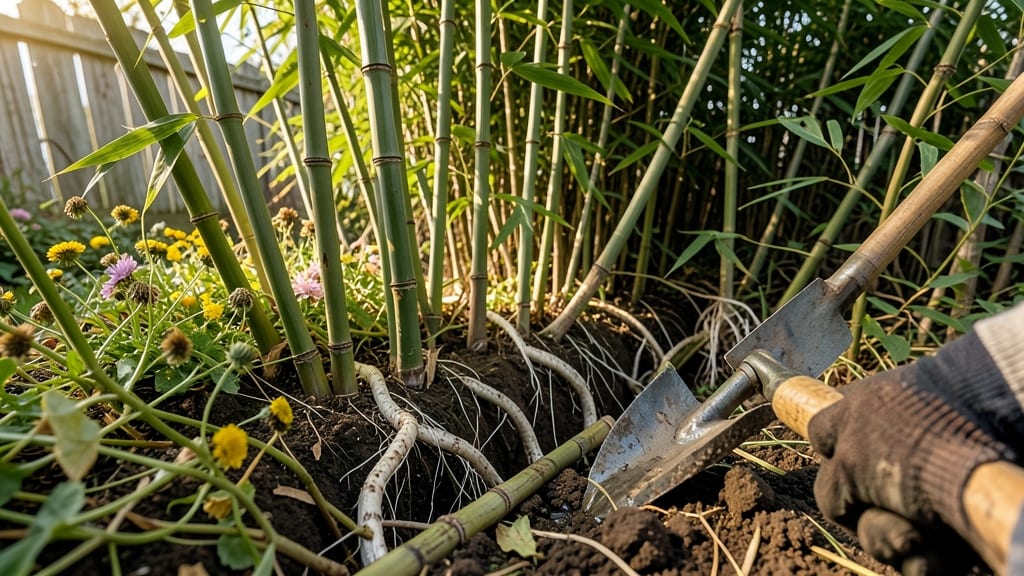
If you’ve ever planted ornamental bamboo and woken up to find it spreading aggressively into your flower beds, you’re not alone. Running bamboo can double its spread in just one growing season, sending out underground rhizomes that disrupt soil structure and crowd out desirable plants.
To contain it without harming your soil, install a deep underground barrier (at least 30 inches) made of heavy-duty plastic or metal. For existing spread, dig out shoots in early spring before new growth begins, and monitor for regrowth. Avoid smothering with mulch—it can actually encourage rhizome expansion. 💪
This method works best for gardeners with established bamboo who want to reclaim their borders while keeping the plant’s ornamental value. The key is acting fast before those rhizomes become a full-blown invasion. 🌱
Milkweed’s Tall Flower Stems
Milkweed might look like a dreamy addition to your garden with its towering pinkish-purple flower clusters, but those same stems can become a pollinator’s paradise and a weed’s nightmare if left unchecked. This native plant is a lifeline for monarch butterflies, but its self-seeding habit means one season’s beauty can turn into next year’s overgrowth.
To keep milkweed in check, deadhead spent flower heads before they release seeds—this prevents unwanted seedlings from popping up everywhere. Plant it in sunny, well-drained spots where its deep roots won’t compete with delicate perennials, and consider isolating it in a dedicated pollinator patch. The trade-off? You’ll still enjoy its ecological benefits without sacrificing garden control. ✨
Knotweed’s Aggressive Growth Patterns

That lush, ornamental-looking plant creeping through your sidewalk cracks might not be what it seems—Japanese knotweed is a highly invasive weed that mimics desirable foliage but wreaks havoc on concrete and soil structure.
Its red-tinged stems and arrowhead-shaped leaves resemble hostas or ornamental grasses, but unlike those plants, knotweed spreads via underground rhizomes that can grow 3+ feet deep and survive for decades. Urban gardeners must act fast—once established, it cracks pavement and outcompetes native plants.
Check for jointed stems and leaf patterns before assuming it’s a decorative plant. Early removal with vinegar-based herbicides or manual digging (with gloves!) is key to protecting your urban garden’s foundation. 💪