
Tools
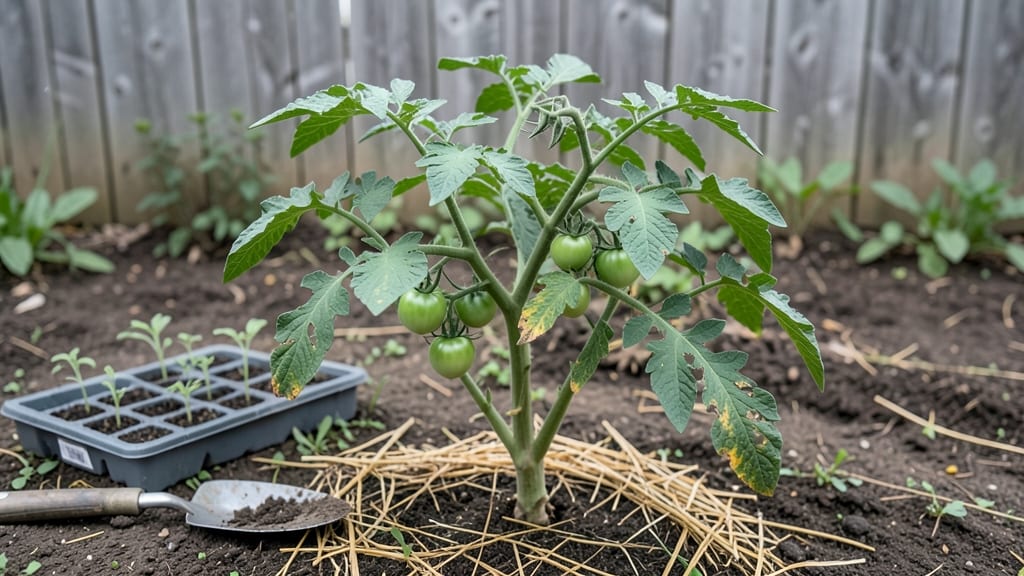
Taking the right steps for gardening turns a blank patch of soil into a bounty of fresh produce and blooms—no green thumb required.
Imagine transforming your backyard—or even a small balcony—into a thriving garden that produces fresh herbs, crisp vegetables, and vibrant flowers all year long. With the right approach, you can skip the guesswork and start strong, whether you're planting tomatoes in spring or overwintering greens.
Here’s the secret: it’s not about memorizing every plant’s quirks. Instead, focus on the foundational steps—soil prep, spacing, watering, and timing—that work for almost any garden. I’ll walk you through each one, so you can avoid the common pitfalls that trip up beginners.
By the end, you’ll have a clear, actionable plan to grow confidently, no matter your space or skill level. Let’s get your garden off to the right start.
10 Essential steps for gardening beginners to start right
Starting a garden can feel overwhelming, but breaking it down into simple, actionable steps for gardening makes it manageable. Whether you're working with a backyard plot or a cozy balcony container, these foundational steps will help you build confidence and avoid common pitfalls.
The key is to start small, plan carefully, and focus on healthy soil and proper plant placement.
I’ve learned through trial and error that the best gardens begin with thoughtful preparation. Skipping steps like soil testing or sunlight analysis often leads to frustration later. By following this roadmap, you’ll create a thriving space that grows stronger with each season.
Let’s dive into the 10 essential steps that set beginners up for success.
Select a spot with at least 6 hours of sunlight daily for most vegetables and flowers. Observe your yard to identify areas with full sun, partial shade, or full shade. Avoid low-lying spots where water pools after rain.
Use a soil test kit (available at garden centers) to check pH and nutrient levels. Amend clay soil with compost or sand, and add organic matter like peat moss to sandy soil. Aim for a balanced pH of 6.0-7.0 for most plants.
Sketch a simple layout based on plant sunlight needs and spacing requirements. Group plants with similar water needs together. Leave space for pathways to avoid compacting soil. Consider vertical gardening for small spaces.
Begin with low-maintenance plants like lettuce, radishes, marigolds, or basil. These tolerate beginner mistakes and provide quick rewards. Avoid finicky varieties like artichokes or asparagus until you gain experience.
Loosen soil to a depth of 12 inches using a garden fork or tiller. Remove weeds and rocks. For raised beds, fill with a mix of topsoil, compost, and perlite. Water the bed thoroughly before planting.
Check your last frost date (typically late April in Zone 6a) and plant cool-season crops like peas or spinach 4-6 weeks before. Wait until after the last frost to plant warm-season crops like tomatoes or peppers.
Water early in the morning to reduce evaporation and fungal risks. Aim for 1 inch of water per week, adjusting for rain. Use a drip irrigation system or soaker hose for even moisture distribution.
Apply a 2-3 inch layer of mulch (straw, wood chips, or leaves) around plants to suppress weeds and retain soil moisture. Keep mulch 2 inches away from plant stems to prevent rot.
Use a balanced fertilizer (10-10-10) every 4-6 weeks during the growing season. Follow package instructions for application rates. Avoid over-fertilizing, which can burn plants or lead to excessive foliage growth.
Inspect plants regularly for pests or diseases. Remove affected leaves immediately. Prune dead or yellowing foliage to encourage new growth. Keep a garden journal to track progress and note what works (or doesn’t) each season.
One of the biggest mistakes I see beginners make is rushing the planning phase. Taking time to test soil and choose the right location saves hours of frustration later. For example, planting sun-loving tomatoes in a shady spot will leave you disappointed—yet this is easily avoidable with a little research.
Another pro tip: start with containers or raised beds if your soil is poor or your space is limited. These give you full control over soil quality and drainage.
I began my gardening journey with a few pots on my balcony, and it built my confidence before expanding to in-ground planting.
Remember, gardening is a learning process. Even experienced gardeners face setbacks like pests or weather challenges. The difference is that they’ve learned to adapt. By following these 10 essential steps, you’ll build a strong foundation for a garden that thrives year after year.
🌱
How to plan your gardening steps by season for year-round growth
Year-round gardening isn’t just for experts—it’s about working smart with the seasons. By aligning your planting schedule with natural cycles, you can enjoy fresh produce and blooms without constant effort. The key lies in understanding which cold-hardy crops thrive in winter and how to succession plant for continuous harvests.
Start by dividing your garden tasks into four clear seasons: spring planting, summer maintenance, fall prep, and winter care. Each season offers unique opportunities—like overwintering garlic and kale—and challenges, such as protecting tender plants from frost.
With the right approach, you’ll minimize wasted effort and maximize your garden’s potential.
Here’s a season-by-season breakdown to keep your garden thriving all year:
<summary-table>In spring, focus on preparing your soil and starting seeds indoors. This is the perfect time to plant cool-season vegetables like peas and spinach, which thrive in cooler temperatures. Use row covers to extend the season for tender crops if frost threatens.
My favorite trick? Planting radishes every two weeks—they mature quickly and signal when it’s time to thin other seedlings.
When summer arrives, shift your focus to watering deeply and mulching to retain moisture. This is also the time to harvest regularly to encourage continuous production.
For example, zucchini plants can produce for weeks if you pick fruits frequently. Don’t forget to prune dead flowers to redirect energy to fruit production.
Fall is your chance to plant cold-hardy crops that will overwinter and provide early spring harvests. Garlic and onions are perfect for this, as they need a period of cold to develop flavor.
Use this season to add compost and mulch heavily to protect soil and plants from freezing temperatures. I love planting Brussels sprouts in late summer—they sweeten after frost!
Winter might seem like a slow season, but it’s actually the perfect time to plan next year’s garden. Review what worked (and what didn’t) and sketch out your planting layout.
Use this downtime to clean and sharpen tools and protect tender perennials with burlap wraps or frost blankets. Even in winter, you can harvest kale and carrots if you’ve prepared them properly.
By following these seasonal steps for gardening, you’ll create a garden that’s productive, low-maintenance, and enjoyable year-round. The secret? Work with nature, not against it—plant at the right time, protect your soil, and always be ready to adapt. Happy gardening! 🌱