
Propagation
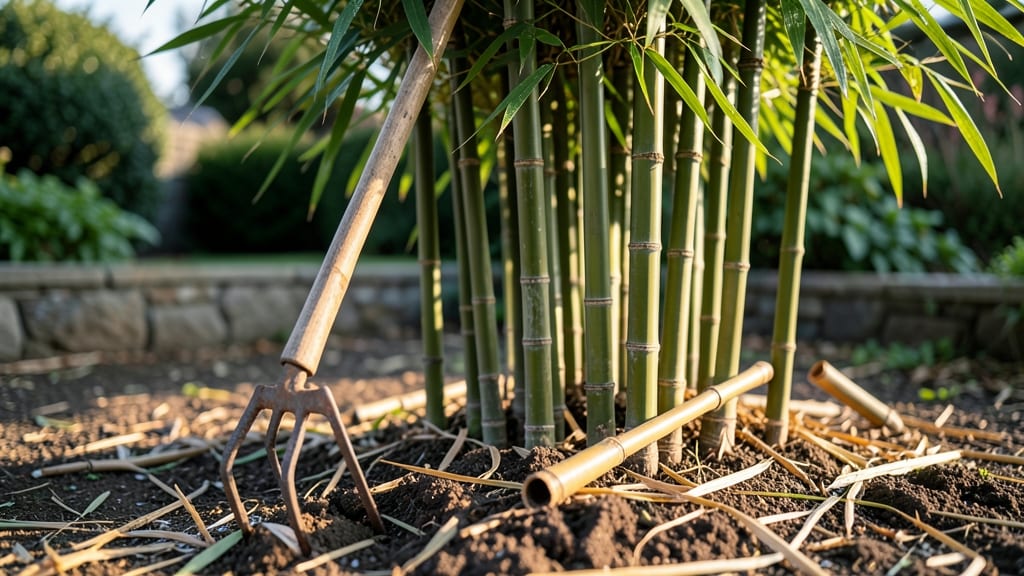
Removing bamboo from your yard is the only way to guarantee it won’t creep back—no more surprise shoots popping up. 🌱 I’ve spent years battling this invasive plant, and the sharp-edged digging method I learned from a local arborist actually works. years later.
The key is getting every last rhizome, even the thin ones hidden underground.
Most people fail because they stop too soon. You’ll need a spade, gloves, and patience—this isn’t a quick weekend project. I’ve seen bamboo roots spread 3 feet deep and 20 feet wide in just a few years, so dig aggressively.
The goal is to remove the entire root system in one go, not just the visible stalks.
Once you’ve pulled it all, you’ll breathe easier knowing your yard is bamboo-free. No more fighting regrowth or watching it choke out your other plants. The satisfaction of a clean yard—with no more sneaky shoots—makes the hard work worth it.
For stubborn patches, I’ll share the chemical options that work as a last resort, but digging is always the most reliable method. Let’s get started with the step-by-step approach that actually stops bamboo for good.
Root Causes of Bamboo Spread
Bamboo may seem like a dreamy, low-maintenance plant—until it starts taking over your yard like an uninvited houseguest. Understanding why it spreads aggressively is the first step to reclaiming your outdoor space. Here’s a breakdown of the science behind bamboo’s relentless growth and how it invades your property.
Bamboo’s spread isn’t accidental—it’s engineered into its biology. Most bamboo species (especially running bamboo) grow via an underground network called rhizomes. These horizontal stems produce new shoots at nodes, creating a web of roots that can extend up to 3 feet per year under ideal conditions.
- Clumping vs. Running: Clumping bamboo (like Fargesia) grows in tight clusters, while running bamboo (like Phyllostachys) sends out long, fast-spreading rhizomes. The latter is the yard invader you’re dealing with.
- Root Depth: Rhizomes can burrow 5–12 inches deep, making them resistant to shallow digging or smothering techniques.
- Sprouting Trigger: Even a tiny rhizome fragment left in the soil can regenerate into a new plant—think of it as bamboo’s version of regrowing from a single leaf.
💡 Pro Tip: If your bamboo is spreading uncontrollably, chances are you’re dealing with a running variety. Identify the species first—this determines your removal strategy.
Bamboo doesn’t spread randomly—it targets environments where it thrives. Key factors that fuel its expansion include:
| Factor | Why It Matters | How to Counter It |
|---|---|---|
| 💧 Water Availability | Bamboo loves moisture. Rhizomes seek out damp soil, often spreading toward irrigation lines, drainage ditches, or low-lying areas. | Install root barriers (if preventing future growth) or redirect water sources away from the bamboo’s path. |
| ☀️ Sunlight Exposure | Full sun to partial shade accelerates growth. Shady spots slow it down but don’t stop it—rhizomes will still spread underground. | Prune nearby trees to limit shade if you’re trying to weaken the bamboo before removal. |
| 🌡️ Soil Temperature | Warmer soil (60–85°F) speeds up rhizome growth. In cooler climates, spread slows but doesn’t halt—it just waits for spring. | Target removal in early spring or fall when rhizomes are less active but still accessible. |
| 🍽️ Nutrient-Rich Soil | Bamboo thrives in fertile soil. If your yard has composted areas or organic matter, rhizomes will seek them out. | Avoid over-fertilizing near bamboo borders. Use barren soil or sand to create a growth barrier. |
Sometimes, bamboo’s takeover is accelerated by well-intentioned (or careless) human actions. Here’s how:
- 🌿 Fragmented Rhizomes: Digging too close to the plant can chop rhizomes into pieces. Each fragment becomes a new bamboo colony. ✨ Solution: Use a rhizome saw or sharp spade to cut cleanly and remove all soil within 1–2 feet of the cut.
- 🚜 Lawn Equipment: Mowers, trimmers, and even shovels can transport rhizome pieces to new areas. ✨ Solution: Clean tools thoroughly after working near bamboo.
- 💦 Irrigation Systems: Drip lines or sprinklers can directly water rhizomes, encouraging faster spread toward the moisture source. ✨ Solution: Adjust sprinkler heads to avoid bamboo-heavy areas.
- 🌳 Poor Planning: Planting bamboo too close to property lines, patios, or driveways gives it a direct path to invade these spaces. ✨ Solution: If replanting, use clumping varieties and install deep root barriers (30+ inches).
Now that you know why bamboo behaves like a yard bully, the next step is how to stop it—permanently. The key? Aggressive, precise removal paired with smart post-treatment strategies to prevent regrowth.
Step-by-Step Removal Solutions
Bamboo may seem like a low-maintenance plant, but its aggressive roots can quickly turn your yard into a tangled mess. The good news? With the right approach, you can completely remove it—roots, rhizomes, and all—without leaving behind unwanted regrowth.
Below are practical, battle-tested methods tailored to different causes of bamboo invasion, plus tips to keep it from creeping back.
If your bamboo is still localized and hasn’t spread too far, manual excavation is the most reliable way to ensure it doesn’t return.
🔪 Step 1: Mark the Battle Zone
- Use a garden hose or spray paint to outline the bamboo’s root system.
Dig at least 12–18 inches beyond the visible clump—bamboo rhizomes (underground stems) can stretch far! - Pro Tip: 💡 If you’re unsure where the roots end, look for mounds of soil (rhizomes push up) or thin, green shoots popping up in odd spots.
👨🍳 Step 2: Cut the Canes at Ground Level
- Use loppers or a pruning saw to chop the bamboo 1–2 inches above the soil.
This weakens the plant and makes the roots easier to dig out. - Warning: ⚠️ Wear gloves and long sleeves—bamboo edges are razor-sharp!
🥘 Step 3: Dig Like a Pro (The "Trench Method")
- Start at the outer edge of the marked area and dig a 12-inch-deep trench around the clump.
- Remove the soil and check for rhizomes. Even a 1-inch piece left behind can regrow!
- Pull out the roots by hand or use a shovel to lever them up. If they’re stubborn, soak the area with water first to soften the soil.
- Repeat in sections until the entire clump is gone.
⏰ Step 4: Inspect and Double-Check
- Burn or bag all plant debris (never compost bamboo—it can sprout!).
- Fill the trench with landscape fabric (heavy-duty, 3+ mm thick) to block regrowth, then cover with gravel or mulch.
If digging feels like too much work, smothering the bamboo with cardboard, plastic, or mulch can starve the roots over time.
🔥 Step 1: Cut and Mulch
- Slash the bamboo canes at ground level, then chop them into small pieces and spread them around the base.
- Pro Tip: 🌡️ The more debris you pile, the faster the roots deplete their energy reserves.
🍳 Step 2: Cover Like a Blanket
- Lay down 6–10 layers of cardboard (no tape or glossy ink) or black plastic sheeting over the entire area.
- Secure the edges with rocks or soil to prevent wind from lifting it.
- Leave it for 6–12 months—the lack of sunlight and air will kill the roots.
🎯 Step 3: Verify Removal
- After a year, dig up a test section to check for surviving rhizomes.
- If you find any, repeat the smothering process or switch to digging.
For massive bamboo overgrowth where digging isn’t feasible, glyphosate-based herbicides can be effective—but use them sparingly and carefully.
🔪 Step 1: Apply the Herbicide Correctly
- Spray the herbicide directly on cut stumps (fresh cuts work best) or foliage on a warm, wind-free day.
- Follow label instructions—overapplying can harm nearby plants.
- Reapply every 2–4 weeks until the bamboo is completely dead.
⚠️ Step 2: Monitor for Regrowth
- Even after the plant dies, rhizomes may linger. Dig up the area 3–6 months later to confirm removal.
- Avoid chemical use near edible plants—glyphosate can contaminate soil.
Once you’ve removed the bamboo, take these steps to prevent it from returning:
✅ Install a Root Barrier – Bury a hard plastic or metal barrier (2–3 feet deep) around your yard’s perimeter to block rhizomes. ✅ Plant Competitive Ground Covers – Clover, creeping thyme, or ornamental grasses can outcompete bamboo shoots. ✅ Regular Inspections – Check your yard monthly for new shoots, especially after rain (rhizomes grow fast when wet!). ✅ Avoid Planting Bamboo Nearby – If you love bamboo’s look, opt for clumping varieties (like Bambusa multiplex) instead of running types.
Final Thought: 🎯 The key to permanent bamboo removal is patience and thoroughness. Whether you dig, smother, or use chemicals, double-checking for leftover rhizomes is the only way to ensure your yard stays bamboo-free for good!
Frequently asked questions
How do I know if my bamboo is running or clumping?
Running bamboo (like Phyllostachys) spreads aggressively via long rhizomes, while clumping bamboo (like Fargesia) stays in tight clusters. Look for new shoots popping up far from the main plant—that’s running bamboo. Clumping types rarely spread beyond their original planting area.
Can I just cut down the bamboo stalks and expect it to disappear?
No—cutting stalks alone won’t remove the root system. Rhizomes (underground stems) can regrow from even tiny fragments. You must dig out all rhizomes or use smothering/chemical methods to prevent regrowth. Think of it like pulling weeds—you need the roots!
What’s the best time of year to remove bamboo?
Early spring or fall is ideal. In spring, rhizomes are active but not yet hardened, while fall lets you catch dormant roots before winter. Avoid summer heat, which can stress you and make digging harder. Pro tip: Work on a dry, cool day for easier digging.
Will vinegar or salt kill bamboo?
Vinegar and salt won’t fully eradicate bamboo—they’re too weak to penetrate deep rhizomes. Vinegar can burn foliage temporarily, but roots survive. For real results, use glyphosate herbicide (applied correctly) or manual digging. Salt can harm soil long-term, so avoid it near other plants.
How deep should I dig to remove bamboo roots completely?
Dig at least 12–18 inches deep—rhizomes can burrow that far. For stubborn patches, go deeper (2 feet) and check for any remaining root fragments. Use a sharp spade to cut rhizomes cleanly, then remove all soil within 1–2 feet of the cut edges.