
Tools
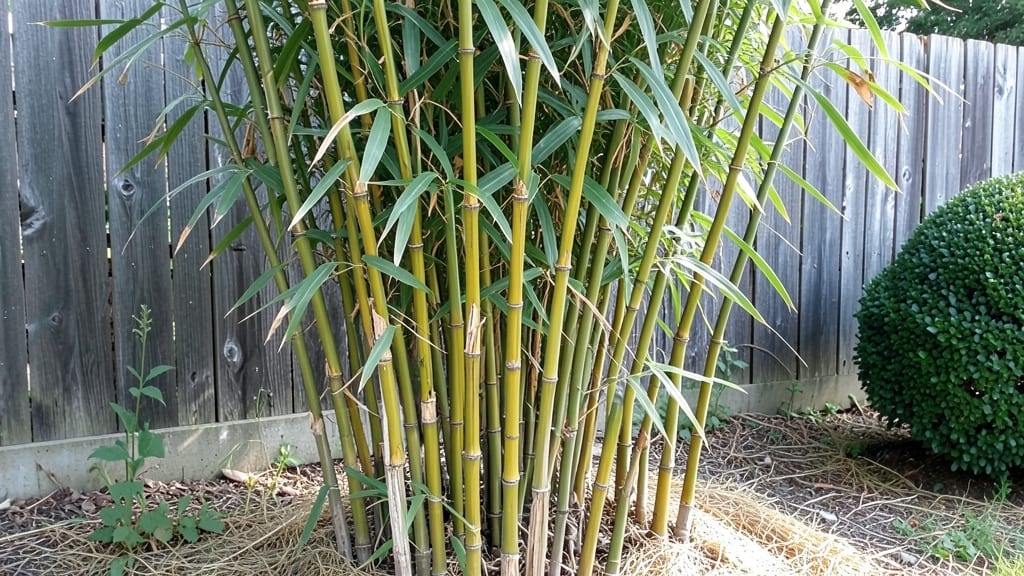
Creating a Chinese backyard garden with fragrant evergreen bamboo feels like bringing a piece of ancient wisdom into your own space. 🌿 The key is balancing traditional elements—like flowing water, carefully placed rocks, and lush greenery—with modern functionality for privacy and year-round beauty.
My first attempt used clumping bamboo to create a natural screen that thrives in partial shade, while still letting in filtered light for neighboring plants.
You don't need a large yard to start—even a narrow strip along a fence can become a serene retreat. The plants to focus on are bamboo (for height and texture), ornamental grasses (for movement), and flowering shrubs like camellias or azaleas (for seasonal color).
A small pond or bubbling stone fountain adds the essential water element that brings harmony to Chinese garden design. The best part? These plants are low-maintenance once established.
What you'll end up with is a space that feels peaceful and intentional, where every element has purpose. The bamboo provides privacy all year, while the fragrant foliage and occasional blooms create a sensory experience that changes with the seasons.
It's not just a garden—it's a place to reflect, whether you're sipping tea at dawn or unwinding after a long day.
Works beautifully in both traditional and modern homes, from suburban backyards to urban courtyards. The principles of balance, flow, and symbolism make this style adaptable to almost any climate—just choose plants that suit your zone and you're golden.
📚 In This Guide
- What you need
- Instructions
- Tips and common mistakes
- Wrapping up and next steps
What you need
- ● Bamboo plants: 5–10 Fargesia or Phyllostachys varieties (non-invasive, clumping types like 'Rufa' or 'Dragon Head' 🌱).
- ● Soil: 2–3 cubic yards of well-draining, slightly acidic soil (pH 5.5–6.5). Mix in compost for nutrients.
- ● Mulch: 1–2 bags of pine bark or wood chips (3–4 inches deep) to retain moisture and suppress weeds.
- ● Fertilizer: Slow-release organic fertilizer (e.g., 10-10-10 or bamboo-specific blend).
- ○ Watering system: Drip irrigation kit or soaker hoses (optional but highly recommended for consistent moisture).
- ● Tools: Shovel & spade (for digging)
- ● Pruners (sharp, bypass-style for clean cuts)
- ● Garden gloves (to protect your hands)
- ● Measuring tape (for spacing plants 3–5 feet apart)
- ● Decorative stones: Flat river rocks or stepping stones for pathways.
- ● Ornamental plants: Hostas, ferns, or azaleas for layered texture.
- ● Privacy screens: Bamboo fencing or lattice for extra seclusion.
- ● Lighting: Solar-powered path lights for evening ambiance.
Instructions for creating a fragrant, evergreen bamboo privacy screen
Here's how to transform your backyard into a serene retreat using bamboo's natural beauty and function.
🌱 Step 1: Select and Prepare Your Bamboo Varieties
Choose clumping bamboo like Fargesia robusta or Fargesia nitida—these stay contained and won't spread invasively. I recommend planting 4-6 plants per screen for a dense, lush look. Dig holes twice as wide as the root ball but only as deep as the container they came in. This prevents stressing the roots.
Amend the soil with 2 inches of compost mixed into the bottom of each hole. Bamboo loves rich, well-draining soil, and this ensures strong root establishment. Water the hole thoroughly before planting to help settle the soil around the roots later.
🪴 Step 2: Plant Bamboo in a Tight, Linear Formation
Space plants 3-4 feet apart in a straight line—this creates a natural, unbroken screen over time. Place the root ball in the hole, then backfill with soil, tamping gently as you go to remove air pockets. The top of the root ball should sit 1 inch below soil level to prevent exposure during dry spells.
Water each plant with 1 gallon of water immediately after planting. This helps the soil settle and eliminates air gaps that can dry out roots. Mulch around the base with 2 inches of wood chips, keeping it 6 inches away from the stem to prevent rot.
☀️ Step 3: Provide Sunlight and Water for Rapid Growth
Bamboo thrives in partial shade to full sun—I plant mine where they get morning sun and afternoon shade for best results. In hot climates, afternoon shade prevents leaf scorch. Water deeply 2-3 times per week for the first year, ensuring the soil stays consistently moist but not soggy. You'll know it's right when water drains through the soil within 30 minutes of watering.
Fertilize in early spring with a balanced 10-10-10 fertilizer—use 1/2 cup per plant spread evenly over the root zone. Avoid high-nitrogen fertilizers, which encourage leafy growth at the expense of sturdy canes. Prune any dead or damaged canes immediately to redirect energy to new growth.
✂️ Step 4: Maintain Privacy Through Pruning and Care
Prune leggy or overcrowded canes in late winter or early spring before new growth begins. Cut back to 1/3 of the plant's height to encourage bushier growth. Remove any canes that lean outward—this keeps the screen dense and upright. I also trim back any shoots that appear outside the clump to maintain the plant's natural shape.
Divide clumps every 3-5 years in early spring to keep plants healthy. Dig up the entire clump, separate the sections with a sharp spade, and replant the strongest divisions. This rejuvenates the screen and prevents overcrowding. Water thoroughly after dividing to help roots recover quickly.
🌿 Step 5: Enhance with Understory Plants for Year-Round Interest
Plant hostas, ferns, or shade-tolerant perennials at the base of the bamboo for texture and color. These thrive in the dappled shade created by the bamboo and add layers to your screen. Space them 12-18 inches apart to avoid competition for water and nutrients. Mulch again with 1 inch of shredded bark to retain moisture and suppress weeds.
Add a small water feature or decorative stones near the base to create a tranquil focal point. The sound of water and the bamboo's rustling leaves create a soothing atmosphere. This combination turns your privacy screen into a peaceful retreat, not just a barrier.
Tips & tricks for perfect Chinese backyard garden privacy screens
Creating a lush, fragrant bamboo screen takes planning—but these pro tips will help you avoid common pitfalls and get the most out of your investment.
Plant Selection Wisdom: When choosing your Fargesia robusta or Fargesia nitida, look for plants with healthy, vibrant green canes and no brown or yellow leaves. The root ball should be firm and well-developed—avoid plants with roots circling the container, as these may struggle to establish. In Step 1, when digging your holes twice as wide as the root ball, consider adding a handful of mycorrhizal fungi to the soil mix—this beneficial fungus helps roots absorb nutrients more efficiently.
Watering Strategy: The 30-minute drainage test in Step 3 is crucial—if water pools on the surface after 30 minutes, your soil is too compacted. To fix this, mix in 1 inch of coarse sand or perlite when amending the soil with compost. For the first year, I set up a simple drip irrigation system on a timer for those 2-3 weekly waterings—it saves time and ensures consistent moisture without overwatering.
Pruning Precision: When you're ready to prune in Step 4, use clean, sharp pruners and make cuts at a 45-degree angle just above a leaf node. This encourages new growth from the right spot. For the 1/3 height reduction, I recommend cutting back to about 2/3 of the plant's original height—this maintains structure while still encouraging bushiness. Always prune in late winter when the plant is dormant but before new growth begins.
Understory Plant Pairing: For the hostas, ferns, or shade-tolerant perennials in Step 5, choose varieties that mature to about 18-24 inches tall—this creates a perfect contrast with the bamboo's height. I love pairing Hosta sieboldiana with Fargesia nitida because their foliage textures complement each other beautifully. Space them 15-18 inches apart to give them room to grow without competing with the bamboo's roots.
Pro Tips for Chinese Backyard Garden
- Creating a lush, fragrant bamboo screen takes planning—but these pro tips will help you avoid common pitfalls and get the most out of your investment.
- Plant Selection Wisdom: When choosing your Fargesia robusta or Fargesia nitida, look for plants with healthy, vibrant green canes and no brown or yellow leaves.
- Watering Strategy: The 30-minute drainage test in Step 3 is crucial—if water pools on the surface after 30 minutes, your soil is too compacted.
Frequently asked questions
Got questions about creating your own Chinese backyard garden? Here are some common ones—and their answers—to help you get started with confidence!
What’s the best time of year to plant bamboo for a Chinese-style garden?
The ideal time to plant bamboo is in early spring (March–April) when the soil is warm but not yet scorching. For cooler climates, late fall (October–November) also works. Avoid planting in extreme heat or frost—bamboo roots need time to establish before stress hits. Pro tip: If you’re in a hot zone, opt for clumping bamboo (like Fargesia) to avoid invasive spread!
How much does a Chinese-style bamboo garden cost to set up?
Costs vary widely! A small, DIY-friendly garden with 3–5 bamboo plants and basic fencing starts at $100–$300. For a full privacy screen (10+ plants + soil amendments, trellises, or decorative stones), budget $500–$1,500+. Clumping bamboo is pricier than running types but easier to maintain long-term. Check local nurseries for sales—some offer bundles!
Can I grow bamboo in containers if I don’t want it spreading?
Clumping bamboo (like Bambusa multiplex) thrives in large containers (15+ gallons) with drainage holes. Use a 50/50 mix of potting soil and perlite to prevent root rot. Warning: Running bamboo (e.g., Phyllostachys) will escape containers—opt for root barriers or dedicated pots. Repot every 2–3 years to refresh soil nutrients.
What pests should I watch for in a bamboo garden?
Bamboo is generally low-maintenance, but keep an eye out for:
- Spider mites (tiny webs on leaves)—spray with water or neem oil.
- Bamboo borers (holes in stems)—prune infected sections immediately.
- Slugs/snails (chewed leaves)—use beer traps or diatomaceous earth.
Will bamboo survive winter in cold climates?
Most bamboo varieties tolerate USDA Zones 5–9, but hardy types like Fargesia robusta or Phyllostachys aureosulcata handle down to -10°F. In colder zones:
Signs of stress: Brown fronds in spring? Trim them—new growth will replace them!
Wrapping up and next steps
Creating a Chinese backyard garden with fragrant, evergreen bamboo isn’t just about aesthetics—it’s a serene escape that brings nature’s tranquility to your doorstep. 🌿 Whether you’re drawn to the privacy, the aromatic charm, or the low-maintenance elegance of bamboo, this garden is a year-round investment in peace and beauty.
Start small, experiment with varieties, and let your space evolve into a lush, whispering retreat.
Ready to transform your backyard? Take the first step today:
- Sketch a simple layout with your favorite bamboo types.
- Gather your tools and materials (you’ve got this!).
- Plant with intention—and enjoy the process!