
Tools
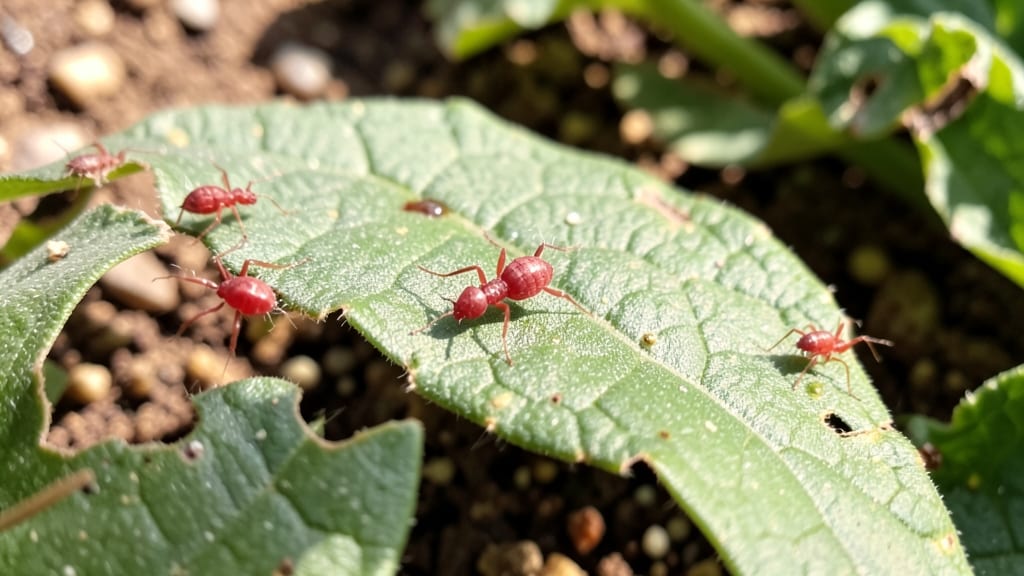
Red garden mites turn your lawn into a stippled mess faster than you can say "pesticide." 🌱 I’ve watched them strip entire rose bushes bare in just two weeks—until I learned these three chemical-free moves that stop them dead.
The key? Spotting the tiny red specks on leaf undersides before the damage gets out of control.
These pests thrive in dry, dusty conditions, so they’re often worst in summer when your plants are already stressed. Pruning for airflow and introducing ladybugs or lacewings cuts their numbers naturally—no harsh sprays needed.
Even my neighbor’s stubborn tomato plants bounced back after a week of targeted blasts of water (yes, really).
You’ll see new growth within days of intervention, with leaves regaining their rich green color and no more webbing. The secret weapon? A mix of neem oil spray, horticultural oil, and beneficial predators—all safe for pets and kids once fully dried.
No more chemical residue, just healthy plants that keep producing.
Works for roses, berries, tomatoes, and even your prized lawn grasses. Here’s how to make them disappear for good—without sacrificing your garden’s health.
Hidden Triggers of Tiny Lawn Invaders
Those pesky red garden mites aren’t just random pests—they thrive because of specific conditions in your yard. Understanding why they show up is the first step to kicking them out for good. Here’s what’s really inviting them to your lawn:
Red garden mites (also called red spider mites) love warm, dry environments. When your lawn is under stress from:
- High temperatures (especially above 85°F): These mites become more active, feeding aggressively on weakened grass.
- Lack of water: Drought-stressed grass loses its natural defenses, making it easier for mites to pierce cells and suck out nutrients.
- Poor soil moisture: Even if the surface looks green, dry roots signal mites that your lawn is an easy target.
💡 Pro Tip: Mites thrive in consistently dry conditions—so even a single week of heat without water can trigger an infestation. Monitor soil moisture with a simple trowel test: Dig 2 inches deep. If the soil is dry, it’s time to water deeply.
Healthy lawns repel pests naturally. But when your grass is:
- Thin or patchy: Gaps in coverage create microclimates where mites hide and multiply.
- Fertilizer-burned: Over-fertilizing (especially with nitrogen-heavy mixes) weakens roots, making grass vulnerable.
- Disease-prone: Fungal infections like brown patch or dollar spot create ideal breeding grounds for mites.
🔥 Actionable Fix: Strengthen your lawn’s defenses by:
- Mowing at the right height (never remove more than ⅓ of the blade at once).
- Avoiding synthetic fertilizers—opt for slow-release organic options instead.
- Testing soil pH (mites prefer acidic soil—aim for 6.0–7.0).
Mites don’t just attack lawns—they hide in weeds and spread from there. Common culprits include:
- Clover and broadleaf weeds: Their soft stems are easy pickings for mites.
- Dandelions and chickweed: These plants retain moisture, creating perfect mite nurseries.
- Thatch buildup: A thick thatch layer (over ½ inch) traps heat and moisture, accelerating mite populations.
🎯 Prevention Strategy:
- Remove weeds monthly—especially in shaded or damp areas.
- Dethatch your lawn once a year (spring or early fall) to disrupt mite habitats.
- Use corn gluten meal as a pre-emergent to suppress weeds naturally.
Mites aren’t the top of the food chain—they’re prey. When their natural enemies vanish, their numbers explode. Common disruptors:
- Pesticide overuse: Broad-spectrum sprays kill both mites and their predators (like ladybugs, lacewings, and parasitic wasps).
- Lack of biodiversity: Monoculture lawns (just grass) offer no shelter for beneficial insects.
- Habitat destruction: Removing flower beds, mulch piles, or leaf litter eliminates hiding spots for mite hunters.
✨ Eco-Friendly Balance:
- Plant native flowers (like marigolds, yarrow, or cosmos) to attract predator insects.
- Avoid neonicotinoids—these pesticides are especially harmful to mite-eating bugs.
- Leave some leaf litter in borders or garden edges to support beneficial species.
Natural Fixes for Tiny Lawn Invaders
Tiny but mighty, red garden mites (or Panonychus ulmi) can turn your lush lawn into a battleground—unless you act fast. The good news? You don’t need harsh chemicals to reclaim your green space.
Below are targeted, eco-friendly solutions tailored to the root causes of an infestation, plus prevention tips to keep your lawn thriving long-term.
Cause: Dense, poorly maintained grass traps moisture and debris, creating a cozy home for mites. Fix:
- Mow high and often 🔪—Set your lawnmower to 3–4 inches to shade soil and reduce hiding spots.
- Aerate in spring/fall ⏰—Use a core aerator to break up compacted soil, letting air and water reach roots.
- Rake up thatch 🍂—Remove thick layers of dead grass (over ½ inch) to eliminate mite habitats.
Pro Tip: 💡 Over-seed bare patches in early fall to crowd out weeds (and mites) naturally.
Cause: Overwatering or poor drainage creates soggy conditions mites love. Fix:
- Water deeply but less often 🌡️—Soak lawns 1–1.5 inches per week (early morning is best).
- Improve drainage 🏗—Fix sprinkler heads or low spots where water pools.
Pro Tip: ✨ Test your soil—A simple pH kit (5.5–7.0 is ideal) ensures your lawn isn’t waterlogged and nutrient-starved.
Cause: Stressed grass (from drought, pests, or poor soil) attracts mites like a buffet. Fix:
- Fertilize smartly 💪—Use a slow-release, organic fertilizer (like compost or fish emulsion) in early spring.
- Feed beneficial microbes 🦠—Apply mycorrhizal fungi or nematodes to strengthen roots.
- Mulch properly 🍂—Leave grass clippings (if short) or use straw mulch to retain moisture without smothering.
Pro Tip: 🎯 Neem oil spray (1 tbsp per gallon of water) 🌿—Spray undersides of leaves (if mites spread to plants) to disrupt their life cycle.
Cause: Mites thrive alongside aphids, scale insects, or fungal diseases. Fix:
- Introduce predator insects 🐞—Ladybugs, lacewings, and hunter mites (Phytoseiulus persimilis) devour red mites. Buy them online or attract them with dill or fennel plants.
- Remove infested debris 🧹—Rake up fallen leaves, dead plants, and mulch where mites hide.
- Use insecticidal soap 🧼—Mix 1 tsp mild castile soap + 1 quart water, spray directly on mites (test on a small patch first).
Pro Tip: 🔥 Rotate treatments—If mites return, alternate between neem oil, horticultural oil, and predator insects to avoid resistance.
Once your lawn is mite-free, lock in your wins with these habits:
- Mow weekly in growing seasons to prevent thatch buildup.
- Test soil annually—Adjust pH and nutrients to keep grass resilient.
- Diversify your yard 🌼—Plant marigolds, garlic, or chives around the lawn; their scents repel mites.
- Monitor regularly 👀—Check for tiny red dots on grass blades or silver webbing (early signs).
Pro Tip: ⏳ Fall is key—Treat lawns in late September to prevent overwintering mites from returning in spring.
Remember: Patience is key—severe infestations may take 4–6 weeks to fully clear with natural methods. But with consistent care, your lawn will bounce back greener and stronger than ever! 🌱
Frequently asked questions
How do I tell if my lawn has red garden mites?
Look for tiny red specks (about 1/50th of an inch) on grass blades, especially on the undersides of leaves. You may also spot fine silver webbing in shaded areas or see grass turning yellow or brown in patches. Use a magnifying glass to check for mites moving quickly when disturbed.
Are red garden mites harmful to pets or kids?
While they don’t directly harm pets or children, their bites can irritate skin and trigger allergic reactions in sensitive individuals. The real risk comes from chemical pesticides—always choose organic solutions like neem oil or predator insects to keep your lawn safe for everyone.
Why do red garden mites appear suddenly?
They thrive in dry, hot conditions and multiply rapidly when grass is stressed. A single week of drought or over-fertilization can trigger an outbreak. Mites also spread quickly from nearby plants or weeds, so consistent lawn care prevents their sudden appearance.
Can I use homemade sprays to control red garden mites?
Yes! Mix 1 tablespoon neem oil with 1 quart water and 1 teaspoon mild castile soap for a natural spray. Apply in the evening to avoid harming beneficial insects. For severe cases, repeat every 5-7 days until mites disappear.
How long does it take to eliminate red garden mites?
With organic methods, you’ll see improvement in 1-2 weeks and full control in 4-6 weeks. Consistency is key—combine treatments like predator insects, proper watering, and neem oil for the best results. Patience pays off with a healthier lawn!