
Watering
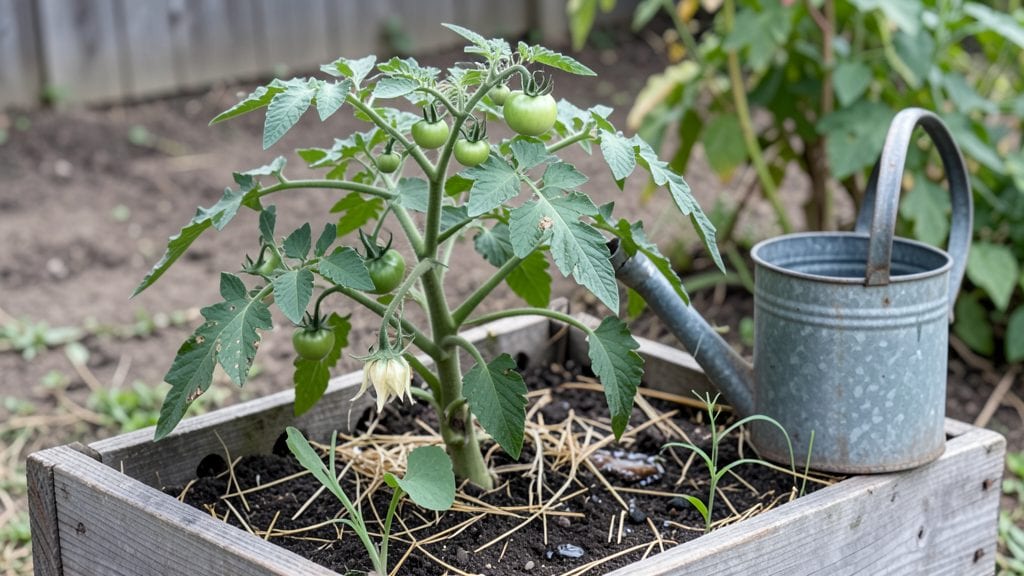
The best way to water garden boxes is to deep soak the soil until water runs out the bottom—this forces roots to grow strong and deep instead of staying shallow.
I learned this the hard way after my herbs bolted from inconsistent watering, but now my garden boxes produce year-round with minimal effort. The key isn’t just how much you water, but how you do it: slow, steady, and at the right times.
You’ll need a watering can with a narrow spout, a timer for drip irrigation, or even a simple hose with a gentle flow. Most garden boxes need 1-2 inches of water per week, but sandy soil drains faster than clay, so adjust accordingly.
Early morning is ideal—water evaporates less, and plants absorb moisture before the heat of the day. Overwatering is the real enemy here, turning your boxes into soggy messes that invite rot.
With this method, you’ll see thicker stems, deeper roots, and fewer wilting leaves—plants that stay productive even in summer’s peak heat. The soil stays moist at the roots but never waterlogged, and you’ll cut back on wasteful runoff.
Think of it as giving your plants a long drink instead of a quick sip every day. Once you master the rhythm, your garden boxes will thrive with less work.
Works for herbs, veggies, and flowers alike, though succulents and drought-tolerant plants need less frequent deep soaks. The same principles apply whether you’re watering by hand or setting up an automated system. Let’s get those roots growing strong!
📚 In This Guide
- What you need
- Instructions
- Tips and common mistakes
- Wrapping up and next steps
What you need
- ● Watering can (3–5 gallons) – Look for one with a rose attachment for gentle, even watering.
- ● Drip irrigation kit (or soaker hoses) – Ideal for slow, deep watering (choose ¼" tubing for small boxes or ½" for larger ones).
- ● Timer or smart sprinkler controller – Automates watering schedules (e.g., Orbit B-Hyve or Rachio).
- ● Moisture meter – Ensures you’re watering at the right depth (e.g., Govee Soil Moisture Sensor).
- ● Organic mulch (2–3 inches) – Retains moisture (e.g., straw, wood chips, or shredded leaves).
- ○ Buckets or rain barrels (optional but helpful) – Collects rainwater for free irrigation.
- ● Self-watering reservoir system – Adds a wicking mechanism (e.g., Earthbox or DIY PVC setup).
- ● pH test kit – Monitors soil health if using tap water with high mineral content.
- ● Drip tape or micro-sprinklers – For precise watering in tight spaces.
- ● Solar-powered pump – Eco-friendly for remote garden boxes.
Step-by-Step instructions for watering garden boxes effectively
Here's how I water garden boxes to promote strong root systems while saving water.
Water Deeply at the Start
Fill your watering can with fresh water and pour it slowly at the base of each plant until water begins to drain from the bottom of the box. This ensures moisture reaches the root zone where it's needed most. I aim for about 1-2 gallons per square foot depending on the plant's thirst level—vegetables like tomatoes need more than ornamental flowers.
Watch for water pooling at the edges. If you see puddles forming, you've watered too quickly. Slow down your pouring or use a soaker hose instead. The goal is to saturate the soil 6-8 inches deep—this encourages roots to grow downward rather than staying shallow.
Establish a Consistent Watering Schedule
Check the soil moisture by sticking your finger 1-2 inches deep—if it feels dry at that level, it's time to water. I've found that morning watering works best because it gives plants a full day to absorb moisture before evening evaporation. Avoid watering in the late afternoon, especially in hot climates, as this can lead to fungal issues.
For garden boxes, I water every 2-3 days during hot, dry weather, but adjust based on rainfall and plant type. Container plants dry out faster than in-ground gardens, so they often need more frequent watering. Use a moisture meter if you're unsure—it takes the guesswork out of determining when to water.
Use the Right Tools for Precision
Instead of a sprinkler, I rely on a soaker hose or drip irrigation system to deliver water directly to the root zone without wetting the leaves. This reduces evaporation and prevents disease. If using a watering can, choose one with a narrow spout—it gives you better control over where the water goes.
For larger garden boxes, I divide the watering into sections. Start at one end and work your way to the other, allowing the water to soak in between each section. This method prevents runoff and ensures even distribution. If you notice water beading up on the soil surface, you're watering too quickly—let it absorb before continuing.
Monitor and Adjust for Seasonal Changes
In the spring and fall, your garden boxes will need less frequent watering compared to summer. Pay attention to the weather—after a heavy rain, skip watering entirely. Overwatering is just as harmful as underwatering, as it can lead to root rot and other issues.
Adjust your watering routine based on the plants you're growing. Succulents and drought-tolerant plants like lavender need far less water than leafy greens or herbs. Mulch the surface of your garden boxes with 2-3 inches of organic mulch to retain moisture and reduce evaporation. This simple step can cut your watering needs by up to 30%.
Troubleshoot Common Watering Problems
If you notice wilting leaves despite regular watering, the issue might be poor drainage. Garden boxes should have drainage holes at the bottom to prevent water from pooling. If yours don't, add them or elevate the box slightly to allow excess water to escape.
Yellowing leaves can indicate overwatering or underwatering. Check the soil moisture again—if it's soggy, cut back on watering and let the soil dry out slightly. If it's bone dry, increase your watering frequency but ensure you're soaking deeply each time. The key is balance, and your plants will tell you when they're happy with their water intake.
Tips & tricks for perfect garden box watering
A few simple strategies will help you maximize root growth and minimize waste when watering your garden boxes.
Deep Watering Technique: In Step 1, when you're aiming to saturate the soil 6-8 inches deep, focus on the base of each plant rather than the foliage. I've found that using a narrow spout watering can or soaker hose gives you the most control. If you notice water pooling at the edges, slow down your pouring—this means you're watering too quickly and not allowing the moisture to penetrate deeply enough. The goal is to mimic a slow, steady rain that encourages roots to grow downward rather than staying shallow.
Morning Watering Advantage: Following Step 2's recommendation to water in the morning is crucial for plant health. This timing gives plants a full day to absorb moisture before evening evaporation. I've seen a significant difference in plant vitality when watering at dawn compared to late afternoon. If you water in the evening, especially in humid climates, you risk fungal issues. For container plants, which dry out faster, I often water twice in the morning—once at dawn and again mid-morning—during peak summer heat.
Sectional Watering for Large Boxes: When dealing with larger garden boxes in Step 3, I divide the watering process into sections. Start at one end and work your way to the other, allowing time for the water to soak in between each section. This prevents runoff and ensures even distribution. If you notice water beading up on the soil surface, you're watering too quickly. Let it absorb before continuing—this patience pays off with healthier roots and less wasted water.
Mulching Strategy: The 2-3 inches of organic mulch mentioned in Step 4 is one of my most effective water-saving tricks. This layer retains moisture and reduces evaporation by up to 30%. I use straw or wood chips, keeping them 2-3 inches away from plant stems to prevent rot. Mulch also helps regulate soil temperature and suppresses weeds, making your garden boxes more low-maintenance. Replenish the mulch as it breaks down throughout the growing season.
Pro Tips for Best Way To Water Garden Boxes
- A few simple strategies will help you maximize root growth and minimize waste when watering your garden boxes.
- Deep Watering Technique: In Step 1, when you're aiming to saturate the soil 6-8 inches deep, focus on the base of each plant rather than the foliage.
- Morning Watering Advantage: Following Step 2's recommendation to water in the morning is crucial for plant health.
Frequently asked questions
Got questions about keeping your garden boxes thriving without overwatering or drowning your plants? Here are some of the most common concerns—and their solutions!
How often should I water my garden boxes?
Water deeply 2-3 times per week (adjust for climate), aiming for 1-2 inches of water total. Check soil moisture 1-2 inches below the surface—if it’s dry, it’s time to water. Deep soaking encourages strong roots and reduces waste.
What’s the best time of day to water?
Water early morning (6-9 AM) to minimize evaporation and fungal risks. Avoid evening watering, as damp foliage can attract pests. If you must water later, do it at least 3 hours before sunset.
Can I use a sprinkler for garden boxes?
Sprinklers waste water and can spread disease. Instead, use a soaker hose, drip irrigation, or a watering wand for precise, targeted watering. For small boxes, a manual deep-watering method works best.
Why are my plants wilting even after watering?
Wilting can mean overwatering (check for soggy roots) or underwatering (soil may be too dry). Ensure proper drainage, avoid compacted soil, and water consistently. If wilting persists, your plants might need nutrient adjustments.
What if it rains a lot—do I still need to water?
Yes! Rain alone may not penetrate deep enough. After heavy rain, check soil moisture—if the top 1-2 inches are dry, water lightly to maintain even moisture. Mulch helps retain moisture during dry spells after rain.
How do I fix uneven watering in my garden box?
Uneven watering often stems from clogged emitters or poor hose placement. Flush your irrigation system monthly, elevate hoses slightly for better coverage, and group plants with similar water needs together.
Wrapping up and next steps
Mastering the art of watering your garden boxes is all about consistency, patience, and efficiency—and you’ve got the tools to make it happen! 🌱 By focusing on deep, infrequent watering, you’ll encourage robust root growth while saving water and time.
Remember, the key is to adjust for your plants’ needs, monitor soil moisture, and use mulch as your secret weapon.
Now that you’re armed with these tips, give it a try! Start with one or two boxes, observe how your plants respond, and tweak your approach as needed. Happy gardening—your thriving plants will thank you! 🌿