
Pests
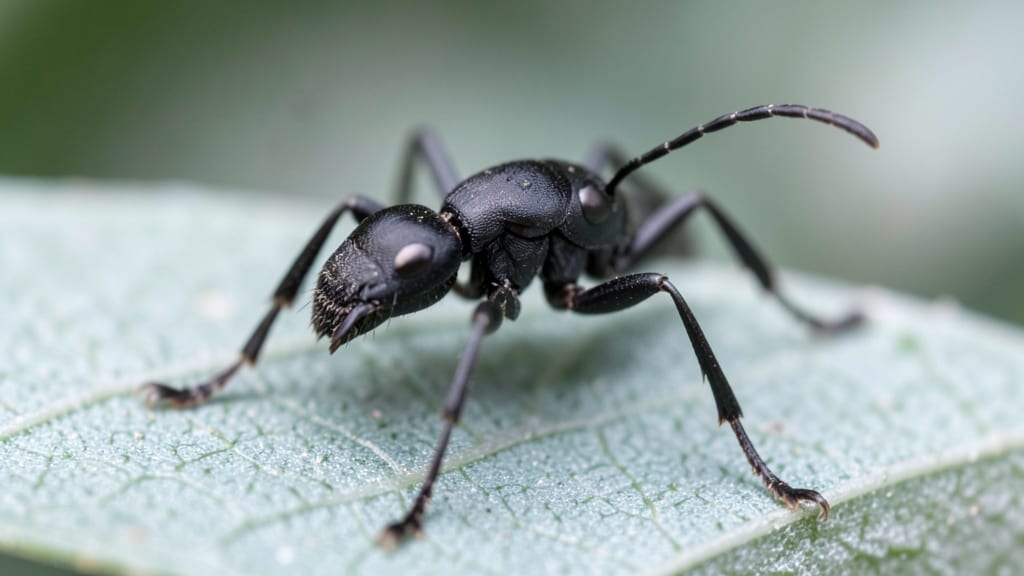
Mastering black garden ant control isn’t just about shooing them away—it’s about outsmarting their tiny highway systems before they claim your garden. 🌱 I’ve seen them create trails right through my carefully prepped soil, and the key to stopping them lies in a simple, natural barrier. that works faster than you’d expect.
The secret isn’t harsh chemicals but understanding their behavior and cutting off their access points.
These ants don’t directly harm most plants, but their tunnels can loosen soil and attract pests like aphids. Worse, they’ll carry away seeds and young seedlings if given half a chance.
The good news? A few strategic barriers—like diatomaceous earth or cinnamon powder—can block their paths within hours, and the solution is safer for your garden than store-bought sprays.
You’ll be amazed how quickly a 1-inch-wide ring of natural repellent around pots or garden beds keeps them out. The ants avoid crossing it, and your plants stay undisturbed. Plus, this method protects your soil’s health while keeping your garden looking neat and pest-free.
Works for raised beds, container gardens, and in-ground planting—just adjust the barrier width based on how busy the ants are. Once you try it, you’ll wonder why you didn’t do this sooner. Let’s get those trails blocked for good!
Root Causes of Black Ant Infestations
Understanding why black garden ants (scientifically known as Lasius niger) invade your yard or home is the first step to stopping them. These tiny but determined pests don’t just wander in randomly—they’re drawn by specific triggers. Here’s why they become a nuisance and how their behavior works against you.
Black garden ants are omnivorous scavengers, meaning they’ll eat almost anything—especially what you leave out.
Their diet includes: - Sugary substances: Spilled soda, fruit peels, candy wrappers, or even pet food with added sweeteners. - Protein-rich foods: Meat scraps, dead insects, grease, and even pet feces (yes, really!). - Greasy residues: Butter, oil, or crumbs on countertops or outdoor picnic tables act like a neon sign for ants.
Why it matters: A single ant scout can find food and leave a pheromone trail, turning a lone ant into a marching army in minutes. Once they locate a food source, they recruit thousands more—fast.
Ants need water to survive, just like us. If your yard or home has:
- Leaky pipes (under sinks, in basements, or outdoor faucets).
- Condensation from AC units, refrigerators, or humidifiers.
- Standing water in clogged gutters, plant saucers, or cracked irrigation lines.
Why it matters: Moisture attracts ants and the pests they prey on (like aphids), creating a buffet of both food and water. A single drip can turn your property into an ant superhighway, especially for species like black garden ants that thrive in damp conditions.
Black garden ants don’t just invade—they move in.
They prefer to nest in: - Soil near foundations, cracks in concrete, or under mulch (where it’s warm and protected). - Wall voids in homes, especially near kitchens or bathrooms (close to food/water sources). - Wooden structures, like fence posts, decking, or even firewood piles (they’ll hollow out wood for nests).
Why it matters: If your yard has loose soil, poor drainage, or unsealed cracks, ants see it as an all-you-can-eat buffet with a built-in hotel. A single queen can lay thousands of eggs, and without intervention, her colony will expand rapidly.
Black garden ants are year-round pests, but their activity spikes when:
- Temperatures rise (spring/summer), increasing their metabolism and foraging speed.
- Rainfall increases, softening soil and making it easier for them to dig and expand nests.
- Drought conditions force them to seek water indoors, leading to indoor infestations.
Why it matters: Ants are opportunistic. A sudden heatwave or heavy rain can trigger a mass exodus from their nests, sending them scouting for new territories—often your property.
Pro Tip: 🔍 Spot the clues—tiny piles of soil near plants, trails of ants marching in a straight line, or rustling sounds in walls. These are signs of an established colony, not just a random visit!
Natural Ways to Stop Ants Fast
Black garden ants may seem like tiny troublemakers, but their invasions can disrupt picnics, damage plants, and even sneak indoors. The good news? You don’t need harsh chemicals to keep them away—just a few targeted, natural solutions that work in hours.
Below, we’ll match common causes of ant infestations to easy, effective fixes, plus prevention tips to keep them from returning.
Ants march in single-file trails, so sealing their entryways is your first line of defense.
Cause: Cracks in foundations, gaps around doors/windows, or holes in screens. Solution:
- 🔧 Inspect your home’s perimeter for tiny crevices (even the width of a credit card).
- 🧴 Seal gaps with caulk, copper mesh, or even petroleum jelly (ants hate the texture!).
- 🚪 Check door sweeps—replace worn-out thresholds with weatherstripping.
Pro Tip: 💡 Diatomaceous earth (DE) sprinkled near entry points dehydrates ants in hours. Reapply after rain.
Ants follow scent trails to food—so remove the temptation!
Cause: Spills, pet food, compost piles, or fallen fruit. Solution:
- 🧹 Clean up immediately—sugary or greasy residues (like syrup or crumbs) are ant magnets.
- 🗑️ Store food in airtight containers, including pet food and birdseed.
- 🌿 Move compost bins away from your home (at least 10 feet) and use a lid.
- 🍓 Pick up fallen fruit from trees—fermenting fruit attracts foragers.
Pro Tip: ✨ Citrus peels or coffee grounds near problem areas repel ants naturally. Refresh every few days.
Instead of killing ants on contact, use slow-acting baits to eliminate the colony.
Cause: Hidden nests in walls, under patios, or in lawns. Solution:
- 🍞 Borax + sugar bait: Mix 1 part borax with 3 parts sugar and water to form a paste. Place small amounts near trails.
- 🍯 Protein bait for meat-loving ants: Try peanut butter or tuna mixed with borax.
- 🌱 Natural alternatives: Use soapy water (dish soap + water in a spray bottle) to disrupt their pheromone trails temporarily.
Warning: ⚠️ Keep baits away from pets/kids—borax is toxic if ingested in large amounts.
Ants avoid certain textures—use them to your advantage!
Cause: Ants marching across sidewalks, driveways, or garden paths. Solution:
- 🪴 Sprinkle cinnamon, cayenne pepper, or chalk along entry lines—ants avoid these strong scents/textures.
- 🌿 Plant ant-repelling herbs like mint, lavender, or lemon balm near problem areas.
- 🧴 Use vinegar sprays (1:1 water-vinegar mix) to wipe down countertops and trails—disrupts their scent markers.
Pro Tip: 🌡️ Heat-sensitive ants? Place a heated mat (like a small heating pad) near entry points—ants avoid warm surfaces.
Ants are most active at dawn/dusk—strike when they’re vulnerable.
Cause: Nocturnal foraging for water or food. Solution:
- 🔦 Shine a flashlight along walls and foundations at dusk to spot trails.
- 💦 Remove standing water (leaky faucets, clogged gutters)—ants need moisture to survive.
- 🌧️ After rain: Check for new mud tubes (ant highways) and crush them with a shoe or spray vinegar.
Once you’ve kicked them out, keep them out with these habits:
- 🌿 Trim vegetation away from your home’s foundation.
- 🪴 Store firewood at least 20 feet from your house.
- 🧼 Regular deep-cleaning—ants love hidden crumbs in appliances.
- 🌱 Mulch with cedar or pine needles—natural ant deterrents.
Final Thought: Most ant problems disappear within 24–48 hours if you act fast. The key is combining barriers, baits, and cleanliness—no single trick works alone. Try these methods, and you’ll enjoy your garden (and kitchen) ant-free! 🚫🐜
Frequently asked questions
Why do black garden ants suddenly appear in my yard?
These ants thrive when conditions are ideal for them—like after rain or during warm weather. They're also drawn to food sources (even crumbs or fallen fruit) and moisture. A single scout ant can leave a pheromone trail that brings thousands more, so one sighting often means a colony nearby.
Will black garden ants harm my plants?
They don't directly damage most plants, but their tunnels can loosen soil and create pathways for harmful pests like aphids. Worse, they'll carry away seeds and young seedlings if unchecked. Their biggest threat is disrupting your garden's foundation rather than attacking plants directly.
How long does it take for natural barriers to work?
Most natural repellents like diatomaceous earth or cinnamon create effective barriers within 24 hours. The key is creating a continuous line (at least 1-inch wide) that ants won't cross. For established colonies, you may need to combine barriers with baits for complete elimination.
Can I use vinegar to kill black garden ants?
Vinegar disrupts their scent trails temporarily but won't kill the colony. For best results, use it to clean surfaces and trails while implementing longer-term solutions like bait stations or physical barriers. The acidity makes them avoid treated areas, but they'll return once the smell fades.
What's the best time of day to apply ant control methods?
Early morning or evening works best since ants are most active during these cooler hours. They forage for food and water then, making it the ideal time to spot trails and apply barriers or baits. Avoid midday when they stay in shaded, cooler areas to conserve energy.