
Pests
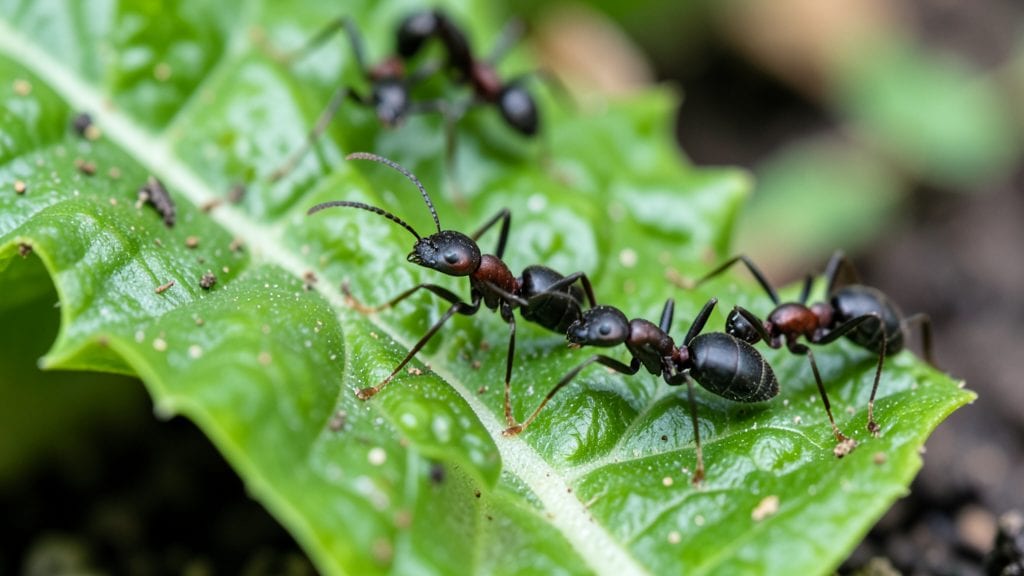
Are ants the problem in the garden—or just misunderstood helpers? 🌱 I’ve spent years watching these tiny workers scurry through my beds, and while some species are harmless (or even helpful), others create real problems by protecting pests like aphids or damaging roots.
The key is knowing when to tolerate them and when to step in.
Most ants are neutral or beneficial, breaking down organic matter and aerating soil. But when they farm aphids for honeydew, your plants end up covered in sticky residue that attracts sooty mold.
Worse, some species chew through young seedlings or nest near foundations, making them unwelcome guests. The good news? Simple, natural deterrents can keep their populations in balance without harming bees or ladybugs.
You’ll learn to spot the warning signs of an ant problem—like trails leading to aphids—and use targeted solutions like diatomaceous earth, citrus peels, or strategic planting. These methods work fast, without chemicals, and actually protect your garden’s ecosystem.
By the end, you’ll know exactly when to shoo them away and when to let them be.
This approach works for vegetable gardens, flower beds, and even container plants. The secret is working with nature, not against it. Let’s get those trails under control—without losing the good guys in the process.
Root Causes Of Ant Infestations
Ants may seem like tiny troublemakers, but their garden invasions are rarely random. Understanding the why behind their behavior helps you tackle the problem at its source—before they march in like an uninvited army. Here’s what’s really drawing them to your green space:
Ants are scavengers first, and your garden is an all-you-can-eat buffet if you’re not careful. They’re drawn to:
- Sugary substances: Overripe fruit, spilled soda, or even honeydew from aphids (which ants farm like cattle). A single drop of syrup can trigger a trail of 10,000+ workers in minutes.
- Protein-rich treats: Decaying plant matter, pet food left outside, or even dead insects. Carpenter ants, in particular, seek moisture and cellulose (like wood mulch or compost piles).
- Human mistakes: Crumbs from picnics, forgotten snacks near patios, or even the grease on outdoor grills. Ants have a pheromone trail that turns these spots into superhighways.
💡 Pro Tip: Store compost in sealed bins with tight-fitting lids, and clean up spills immediately. Ants will wait hours to scout a new food source—don’t give them the green light!
Ants need water to survive, and your garden’s damp spots are like desert oases to them. Here’s how they exploit your landscape:
- Overwatered soil: Ants dig shallow tunnels in moist earth to stay hydrated. If your garden stays soggy after rain or irrigation, you’re basically handing them a watering can.
- Leaky hoses or sprinklers: A slow drip can create a permanent water source, turning your yard into a 24/7 ant water park. Fire ants, in particular, cluster near these spots to keep their colonies cool.
- Wooden structures: Carpenter ants target damp wood—think mulch piles, rotting fence posts, or even the underside of deck boards. The moisture weakens the wood, making it easier for them to nest.
🌡️ Science Note: Ants regulate their nest temperature by moving in and out of moisture-rich areas. A shady, damp corner of your garden? That’s their preferred real estate.
Ants don’t just visit your garden—they move in. Their nesting habits depend on the species, but these are the most common hideouts:
| Ant Type | Favorite Nesting Spots | Why They Choose It |
|---|---|---|
| Pavement ants | Cracks in sidewalks, under patio stones, or in dry soil | They thrive in hot, dry microclimates and use these spots to regulate nest temperature. |
| Fire ants | Mounds in open, sunny areas (often near irrigation lines) | They require direct sunlight to keep their nest warm—disturbing a mound can trigger aggressive defense. |
| Carpenter ants | Hollowed-out wood (mulch, tree stumps, or structural beams) | They don’t eat wood but tunnel through damp, rotting material to build nests. A single queen can lay 1,500 eggs/month—so one nest becomes many. |
| Harvester ants | Underground chambers near dry, sandy soil | They cache seeds and insects in their nests, making them a nuisance for seedlings and veggie gardens. |
✨ Key Insight: If you’ve ever wondered why ants keep coming back after you “fixed” the problem, it’s likely because you removed the workers but not the queen or nest. Targeting the nest (safely and strategically) is the only way to win long-term.
Believe it or not, some plants attract ants—or at least fail to repel them—because of their natural chemistry:
- Sweet-smelling flowers: Plants like cosmos, marigolds, and lavender produce nectar that lures ants looking for sugar. While these plants are great for pollinators, they can also signal ants to your garden.
- Decaying organic matter: Compost piles, leaf litter, and even mulch made from untreated wood release volatile compounds that ants detect from yards away.
- Weakened plants: Stressed or dying plants (from overwatering, disease, or pests like aphids) release chemical distress signals that ants interpret as a free meal.
🎯 Actionable Fix: If you love these plants, space them far from veggie beds and pair them with ant-repelling herbs like mint, basil, or lemon thyme. The competing scents confuse their foraging trails.
Natural Ways to Stop Ants
Ants in your garden can feel like an unwelcome houseguest who won’t leave—except they’re tiny, relentless, and might be sabotaging your plants. The good news? You don’t need harsh chemicals to evict them.
Below are targeted, eco-friendly solutions based on the most common causes of ant infestations, plus prevention tips to keep them from crashing your garden party again.
Ants leave pheromone trails to food sources, so disrupting these paths is key.
🍳 Step 1: Block Their Highways
- Vinegar Barrier: Mix equal parts white vinegar and water in a spray bottle. Lightly spray along ant trails, window sills, and garden edges. The strong smell confuses their scent trails. Reapply after rain.
- Diatomaceous Earth (DE): Sprinkle food-grade DE (a fine powder) along trails and entry points. It dehydrates ants but is safe for plants. Avoid windy days—it blows away!
👨🍳 Step 2: Remove the Buffet
- Inspect Plants: Ants love aphids, scale, and honeydew. Spray infested plants with soapy water (1 tsp mild soap per quart of water) to wipe out their food supply.
- Clean Up Debris: Piles of leaves, mulch, or fallen fruit create hiding spots. Rake up organic matter and store compost bins away from garden edges.
⏰ Pro Tip: Ants are most active in the morning and evening. Set traps or barriers during these times for maximum effectiveness.
If ants are digging mounds or tunneling under mulch, they’ve set up camp.
🔪 Step 3: Disrupt Their Real Estate
- Boiling Water: For small mounds, carefully pour boiling water directly into the nest entrance. This kills larvae and workers without harming the soil. Do this in the evening to avoid disturbing beneficial insects.
- Cornmeal Trap: Mix plain cornmeal with a little sugar and place near nests. Ants eat it but can’t digest it, causing their colony to starve. Works best for sugar ants.
🌡️ Step 4: Adjust Mulch & Soil
- Crushed Eggshells: Sprinkle around plants to create a physical barrier. Ants avoid crawling over sharp edges.
- Coffee Grounds: Scatter used grounds near entry points—they repel ants with their bitter smell. Bonus: Improves soil!
💡 Prevention Hack: Use gravel or pebbles as mulch near garden borders—ants dislike crawling over rough surfaces.
Ants swarming over ripe fruit or veggies? They’re not just pests—they’re thieves.
🎯 Step 5: Protect Your Produce
- Citrus Peels: Place orange or lemon peels around vulnerable plants (like strawberries or tomatoes). The scent repels ants.
- Chili Pepper Spray: Blend 1-2 fresh chilies with water, strain, and spray on plants. The capsaicin confuses their scent receptors. Reapply every few days.
✨ Long-Term Defense:
- Interplant with Ant Haters: Grow mint, basil, or lavender near ant-prone areas. Their strong fragrances deter intruders.
- Elevate Crops: Use hanging baskets or raised beds for fruits/veggies like tomatoes and berries—ants struggle to climb smooth surfaces.
Once you’ve evicted the ants, lock the doors with these habits:
- Store Food Properly: Keep pet food, fallen fruit, and compost bins sealed and away from garden edges.
- Water Wisely: Ants love damp soil. Water plants early in the day so soil dries faster.
- Encourage Predators: Ladybugs, birds, and toads eat ants. Plant native flowers to attract them.
- Regular Patrols: Walk your garden weekly to spot new trails or mounds before they become colonies.
Final Thought: Ants are more of a nuisance than a threat, but with these low-effort, high-impact methods, you’ll reclaim your garden without breaking a sweat—or the bank. Try one or two strategies this week and watch those tiny invaders pack their bags!
Frequently asked questions
Do all ants harm garden plants?
Not at all! Most ants are neutral or even helpful—they break down organic matter and aerate soil. The real troublemakers are species that farm aphids (like Argentine ants) or build nests under mulch (carpenter ants). Focus on identifying their behavior rather than assuming all ants are pests.
Why do ants suddenly appear in my garden?
Ants invade when they detect food, water, or shelter. A single drop of spilled soda or overripe fruit can trigger a 10,000-strong workforce in minutes! Check for hidden aphids (their "livestock"), damp soil, or compost piles—these are their top attractants.
Can I use vinegar to kill ant nests?
Vinegar disrupts their scent trails but won’t eliminate the nest itself. For mounds, pour boiling water directly into the entrance (evening only) to target larvae. Combine this with removing food sources to break their cycle completely.
Are there plants that naturally repel ants?
Plant mint, basil, or lemon thyme near problem areas—their strong scents confuse ant trails. Avoid sweet-smelling flowers like cosmos, which actually attract them. Strategic placement can create a natural barrier without chemicals.
How do I know if ants are damaging my seedlings?
Look for chewed stems at soil level or tiny tunnels in mulch. Harvester ants cache seeds, while carpenter ants weaken roots by tunneling. If you see aphids nearby, the ants are likely protecting them—remove both to break their partnership.