
Advice
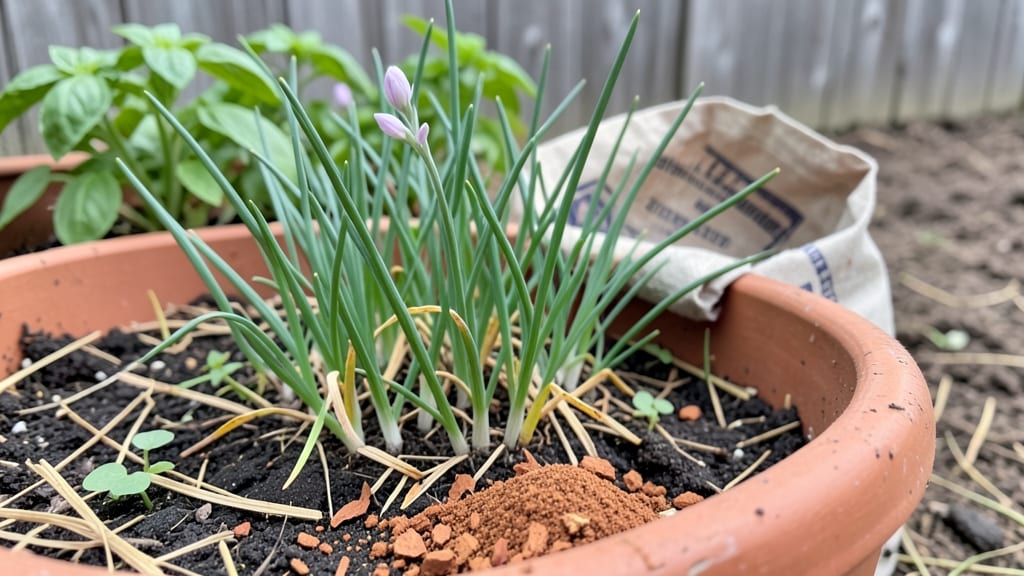
You can sprinkle cinnamon in your garden safely—it repels slugs, ants, and fungi while enhancing soil health with natural antimicrobial benefits. Just use it sparingly to avoid disrupting soil pH or harming beneficial microbes.
Cinnamon's active compound, cinnamaldehyde, acts as a natural pest deterrent by masking scent trails that slugs and ants follow. 🔥 This same compound also inhibits fungal spores, making it a great organic alternative to chemical fungicides.
I’ve found it particularly effective around hosta plants (a slug magnet) and in vegetable beds prone to powdery mildew. For best results, apply a light layer around plant bases or mix a teaspoon into soil—just avoid overdoing it, as excessive amounts can create an inhospitable environment for helpful soil organisms.
Beyond pest control, cinnamon can subtly improve soil structure when used correctly. The key is moderation—think of it as a seasoning rather than a fertilizer. For fungal issues, a cinnamon-water spray (1 tablespoon per quart of water) works wonders on leaves without harming plants.
Just remember: while cinnamon is a garden helper, it’s not a cure-all, so combine it with other organic practices for the best defense.
💡 In This Article
- How Cinnamon Acts as a Natural Garden Pest Repellent
- Best Ways to Use Cinnamon in Garden Soil and Plant Care
How cinnamon acts as a natural garden pest repellent
The secret weapon in cinnamon is cinnamaldehyde, an oil that makes up 60-80% of its flavor profile. This compound acts as a natural antimicrobial and antifungal agent by disrupting cellular membranes in pests and fungi.
When slugs or ants encounter cinnamon, the strong scent interferes with their pheromone trails, which they use to navigate and find food. 🔥 For slugs, this means losing their "highway" to your lettuce, while ants get confused by the disrupted scent markers around your garden beds.
Cinnamon's effectiveness against fungi comes from its ability to inhibit spore germination. Studies show that cinnamaldehyde can reduce powdery mildew growth by up to 80% when applied directly to leaves. The compound works by altering fungal cell permeability, essentially suffocating the spores before they can establish infections.
This makes cinnamon a powerful alternative to chemical fungicides like neem oil or copper sprays, though it requires more frequent applications. For comparison, a 1:10 ratio of cinnamon to water spray is roughly as effective as a diluted baking soda solution but with a longer-lasting scent barrier.
What makes cinnamon unique compared to other organic deterrents is its dual action: it repels pests while also preventing fungal growth. Unlike diatomaceous earth (which dehydrates pests) or garlic spray (which relies on sulfur compounds), cinnamon works through scent disruption and cellular interference.
The warm, spicy aroma also masks plant odors that might attract pests, creating a natural camouflage effect. 🌟 However, its effectiveness drops in heavy rain, so reapplication every 7-10 days is ideal for consistent protection.
For ants specifically, cinnamon acts as a physical and chemical barrier. The coarse texture of ground cinnamon creates a rough surface that disrupts their movement, while the cinnamaldehyde interferes with their communication. This two-pronged approach makes it more effective than single-action deterrents like coffee grounds or vinegar.
The scent lingers longer than citrus peels (another common repellent) because cinnamaldehyde is more volatile at garden temperatures (60-80°F), providing continuous protection.
When comparing cinnamon to other organic solutions, it stands out for its versatility. While neem oil requires mixing and has a stronger scent, cinnamon can be used directly from the jar. A light dusting around plant bases provides immediate protection, whereas organic pesticides often need 24-48 hours to take effect.
The key difference is that cinnamon doesn't kill pests outright—it creates an environment where they simply don't want to stay, making it a humane yet effective solution.
One important consideration is that cinnamon's effectiveness varies by pest type. For slugs, the scent disruption is most critical, while for fungi, direct contact with cinnamaldehyde is essential.
This means applying cinnamon differently depending on the target: a light dusting around plants for slugs, and a foliar spray for fungal issues. The 1-2 teaspoon per square foot guideline works well for most applications, but always test on a small area first to monitor plant reactions.