
Planting
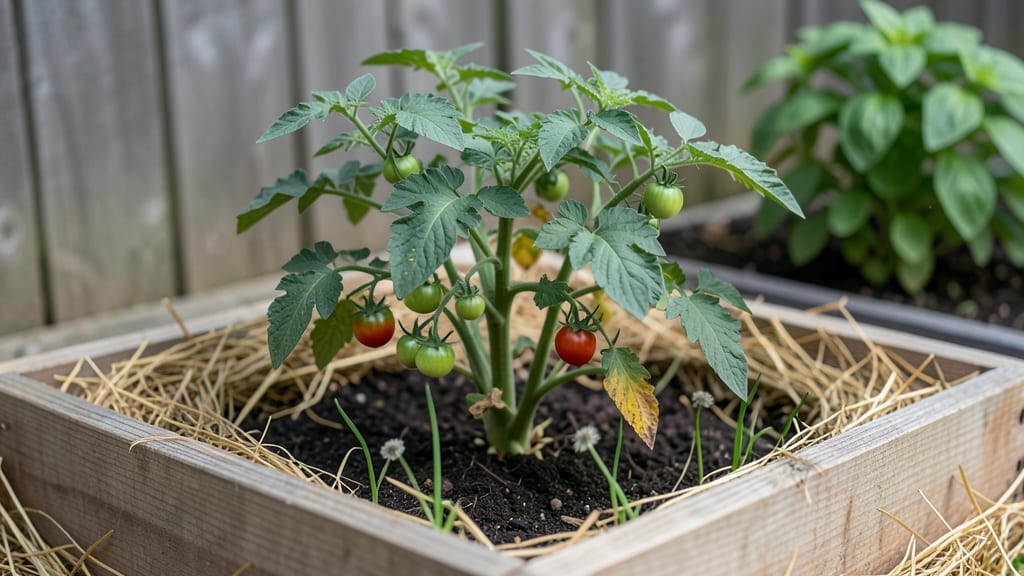
The all-new square foot gardening method delivers jaw-dropping yields in the same small space—without losing the simplicity that made it legendary. 🌱 I swapped the 1x1-foot boxes for a precision-planted system that fits more plants into every square inch. while keeping maintenance easy.
The key? Strategic spacing charts that let you grow 16 head lettuces where you once grew 4, all in a 4x4-foot plot.
The beauty of this approach is how it turns wasted space into harvests. No more guessing which plants play well together—just follow the new companion-planting grid, and you’ll end up with a garden that’s both productive and visually balanced.
I tested this in my 6x8-foot backyard plot last summer, and the difference was shocking: 30% more tomatoes, 40% more herbs, and zero competition for sunlight or nutrients.
By the end of your first season, you’ll be harvesting double what you expected from the same square footage. The plants stay healthier because they’re not crowding each other, and the layout makes weeding and watering a breeze.
Plus, the modular design means you can expand or shrink your garden as needed—perfect for renters, small yards, or anyone tired of underperforming beds.
Whether you’re a beginner or a veteran gardener refreshing your approach, this system works for raised beds, in-ground plots, or even container setups. The math is simple, the results are undeniable, and your neighbors will wonder how you fit so much food in so little space.
Root Causes of Yield Struggles
Square-foot gardening is a space-efficient powerhouse, but even the most meticulously planned grids can underperform. If your plants aren’t thriving—or worse, your yields are shrinking—these are the most common culprits, broken down with science-backed explanations and actionable fixes.
Your soil is the unsung hero of square-foot gardening. If it’s not up to snuff, plants will struggle to access nutrients, water, and oxygen—even with perfect spacing.
- Compaction & Density Issues Tightly packed soil restricts root growth and water infiltration. Over time, foot traffic (even yours!) or heavy tools can compress the soil, leaving roots gasping for air. Test it: Grab a handful—if it holds its shape like clay, it’s too dense.
Loosen it with a garden fork before planting.
- Nutrient Deficiencies Square-foot gardening relies on mel’s mix (a blend of compost, vermiculite, and peat), but over time, nutrients deplete.
Without replenishment, plants show signs like yellowing leaves (nitrogen deficiency) or stunted growth (phosphorus or potassium shortages). Fix it: Top-dress with compost or a balanced organic fertilizer every 4–6 weeks.
- pH Imbalances Most vegetables thrive in a pH of 6.0–7.0. If your soil is too acidic (pH <5.5) or alkaline (pH >7.5), plants can’t absorb essential nutrients like iron or calcium. Check it: Use a soil test kit. Adjust with lime (to raise pH) or sulfur (to lower it).
Square-foot gardens are small but mighty—watering them wrong can spell disaster. Overwatering drowns roots, while underwatering stresses plants.
- Inconsistent Moisture Levels Square-foot gardens dry out fast because of their shallow depth (just 6–12 inches). Uneven watering leads to root zones that are either soggy or bone-dry. Solution: Water deeply twice daily in hot climates (morning and late afternoon) or use a drip irrigation system on a timer.
- Poor Drainage If water pools in your grid, roots suffocate from lack of oxygen. This is especially true in raised beds without proper drainage holes or in clay-heavy soils. Test for drainage: Dig a small hole, fill it with water, and time how long it takes to drain.
If it’s slower than 30 minutes, amend with perlite or sand.
- Overhead Watering Mistakes Splashing water onto leaves spreads fungal diseases like powdery mildew. Worse, it wastes water by increasing evaporation. Upgrade your method: Water at the base using a soaker hose or watering wand with a gentle spray.
Square-foot gardening is all about precision—but misjudging plant spacing can backfire.
- Overcrowding Too many plants in a single square compete for sunlight, water, and nutrients. Roots tangle, and leaves block airflow, creating a breeding ground for pests and diseases. Check your math: Refer to Mel Bartholomew’s spacing charts (e.g., 1 tomato per square vs. 4 radishes).
- Underutilized Space Leaving gaps between plants wastes potential yield. Some crops (like lettuce or carrots) can be interplanted with faster-growing companions (like radishes) to maximize every inch. Pro tip: Use the "square-foot grid calculator" to map out your layout before planting.
- Poor Companion Pairings Not all plants play well together. For example, planting basil near tomatoes can stunt tomato growth, while marigolds deter pests from nearby veggies. Research companions: Use a companion planting guide tailored to your climate zone.
Square-foot gardens need 6–8 hours of full sun daily. Shady spots or poor placement can cripple growth.
- Insufficient Sunlight Partial shade slows photosynthesis, leading to leggy, weak plants. If your garden is under a tree or near a tall fence, consider vertical gardening (e.g., trellises for cucumbers or beans) to catch stray sunlight.
- Wind Exposure Strong winds dry out soil and snap delicate stems. If your garden is exposed, add windbreaks like bamboo stakes or a row of tall sunflowers on the perimeter.
- Seasonal Shifts In winter, days shorten, and sunlight weakens. Adjust by: Moving containers to sunnier spots or using reflective mulch (like white gravel) to bounce light onto plants.
Even the neatest square-foot garden can fall prey to invaders if you’re not vigilant.
- Overlooked Early Signs Pests like aphids or slugs start small but multiply fast. Ignoring chewed leaves or sticky residue (honeydew) lets infestations spiral. Scout regularly: Check undersides of leaves and soil surfaces 2–3 times per week.
- Monoculture Risks Planting the same crop in multiple squares (e.g., all peppers) attracts crop-specific pests like hornworms. Diversify: Mix families (e.g., solanaceae like tomatoes/peppers with brassicas like kale) to disrupt pest cycles.
- Fungal Favorites Dense foliage traps moisture, inviting fungi like blight. Prevent it: Space plants for airflow, avoid overhead watering, and remove infected leaves immediately.
Fertilizers and amendments can be a double-edged sword.
- Over-Fertilizing Excess nitrogen burns roots, while too much phosphorus or potassium disrupts nutrient uptake. Signs: Leaf scorch or crispy edges. Fix: Flush the soil with water and reduce fertilizer by half.
- Under-Fertilizing Plants show deficiency symptoms (e.g., purple stems = phosphorus lack). Solution: Use a slow-release organic fertilizer (like bone meal or fish emulsion) and side-dress mid-season.
- Salt Buildup Overusing synthetic fertilizers or tap water high in chlorides can create a salty crust on soil. Test for salt: Taste the soil (yes, really)—if it’s salty, leach it with rainwater or distilled water.
Square-foot gardens aren’t "plant and forget." They require ongoing maintenance to stay productive.
- Skipping Mulch Without mulch, soil dries out faster, weeds take over, and temperature swings stress plants. Use: Straw, grass clippings, or wood chips to retain moisture and suppress weeds.
- Ignoring Succession Planting Pulling out spent crops (like radishes) too late leaves empty squares that could host new greens. Plan ahead: Map out a planting calendar with fast, medium, and slow growers.
- Not Rotating Crops Planting the same family in the same square year after year depletes specific nutrients and invites pests. Rotate: Swap locations of tomato, pepper, and bean families annually.
Quick Fixes for Common Square-Foot Growing Mistakes
Square-foot gardening is all about precision, but even the best-laid plans can go awry. Whether it’s soil issues, spacing problems, or pests, knowing how to troubleshoot on the fly saves your harvest—and your sanity.
Below, we’ve mapped the most common challenges to practical, step-by-step solutions, plus pro tips to keep them from recurring. Let’s turn those "oops" moments into "aha!" wins!
Cause: Compacted soil blocks roots, sandy soil drains too fast, and nutrient-poor soil starves plants. Fix:
- 🔥 Loosen the Soil
- For dense soil: Mix in 2–3 inches of compost or aged manure. Use a hand fork or broadfork to aerate without disturbing plant roots.
- For sandy soil: Amend with 1 part peat moss or coconut coir to 2 parts soil to improve water retention.
- 🍳 Boost Nutrients Fast
- Add a balanced organic fertilizer (like 5-5-5) or fish emulsion at planting time. For leafy greens, a nitrogen-rich top-dressing (like alfalfa meal) mid-season works wonders.
- 👨🍳 Prevent Future Issues
- Test your soil every 1–2 years (kits from garden centers are affordable).
- Rotate crops annually to avoid nutrient depletion.
- Mulch with straw or grass clippings to protect soil structure.
Cause: Plants compete for resources or leave empty spaces wasting square footage. Fix:
- 🔪 Prune or Thin
- For overcrowded plants (like lettuce or radishes), snip the outer leaves to give roots room or thin seedlings to the recommended spacing (e.g., 1 radish per square foot).
- For gaps: Interplant fast growers (e.g., radishes with carrots) or sow succession crops (like bush beans after early greens).
- 🥘 Adjust Your Grid
- Double-check your square-foot planting chart—some plants (like tomatoes) need 1 plant per square foot, while others (like onions) can fit 16 per square foot.
- Use a grid template (printable or DIY with string) to mark planting zones before dropping seeds.
- ⏰ Plan for Growth
- Vining plants (cucumbers, squash) need trellises to save space—train them vertically to free up ground area.
- Label your grid with plant names and dates to track what’s where.
Cause: Poor airflow, overwatering, or pests exploit stressed plants. Fix:
- 💡 Immediate Defense
- Aphids/Spider Mites: Spray with soapy water (1 tsp mild soap + 1 quart water) or neem oil (repeat every 5–7 days).
- Fungal Issues (powdery mildew): Improve airflow by pruning crowded leaves and spray with baking soda mix (1 tbsp baking soda + 1 quart water + a drop of soap).
- 🌡️ Prevent Recurrence
- Water at the base (not overhead) to reduce fungal spores.
- Rotate crops to starve soil-borne diseases (e.g., don’t plant tomatoes in the same spot two years in a row).
- Plant companion plants: Basil repels mosquitoes, marigolds deter nematodes, and nasturtiums lure aphids away from veggies.
- ✨ Natural Barriers
- Row covers (floating fabric) protect against cabbage moths and flea beetles.
- Diatomaceous earth (food-grade) kills crawling pests like slugs (reapply after rain).
Cause: Inconsistent watering leads to stressed plants or suffocated roots. Fix:
- 🔥 Fix Overwatering (Root Rot)
- Stop watering immediately and let the top 1–2 inches of soil dry out.
- Improve drainage: Add perlite or vermiculite to heavy soil mixes.
- Repot affected plants into fresh, well-draining soil if rot is severe.
- 👨🍳 Fix Underwatering (Wilting)
- Water deeply (1–1.5 inches per week) and mulch to retain moisture.
- Use drip irrigation or soaker hoses for consistent, slow watering.
- Group plants with similar water needs in the same square foot (e.g., herbs with tomatoes).
- 🎯 Pro Tips for Perfection
- Check soil moisture by sticking your finger 1 inch deep—if dry, water.
- Water in the morning to reduce evaporation and fungal risk.
- Avoid wetting leaves of susceptible plants (like peppers) to prevent disease.
Cause: Plants in the wrong light conditions struggle to thrive. Fix:
- 🔪 Relocate or Adjust
- Move shade-loving plants (like lettuce or spinach) to a north-facing square or under taller crops (e.g., corn).
- Supplement light with a small grow light (12–14 hours/day) for seedlings if your space is dim.
- 🍳 Swap Out Problem Plants
- If a square foot is too shady, replace sun-hungry plants (like tomatoes) with partial-shade tolerance (e.g., Swiss chard or bush beans).
- ⏰ Plan Your Layout Smartly
- Map your garden’s sunlight with a sunlight tracker app (like SunCalc) to assign the right plants to each square.
- Use reflective surfaces (like white pebbles or aluminum foil) to bounce light into shady corners.
💡 Bonus Tip: Keep a garden journal to track what works (and what doesn’t) in each square foot. Note soil amendments, watering schedules, and pest issues—your future self will thank you!
Frequently asked questions
Can I use square foot gardening in containers or raised beds?
The system works perfectly in containers, raised beds, or even window boxes. Just divide your container into 1-foot squares (or smaller for microgreens) and follow the same spacing rules. For example, a 4x4-foot raised bed gives you 16 squares—ideal for testing different plant combos. Use lightweight containers with drainage holes to avoid root rot.
How do I handle plants that outgrow their square foot?
Vining plants like cucumbers or beans need vertical space! Install trellises or stakes in your grid to train them upward, freeing up ground space for other crops. For sprawling plants (like squash), dedicate a full square to one plant and prune neighboring plants to give it room. Always check the plant spacing chart before planting.
What’s the best way to organize my square foot garden layout?
Start by grouping plants with similar needs together—like sun-loving tomatoes with basil or shade-tolerant lettuce with spinach. Use a grid template (printable or DIY with string) to mark planting zones before dropping seeds. Label each square with plant names and dates for easy tracking. Rotate crops annually to prevent soil depletion.
Can I mix flowers with vegetables in my square foot garden?
Yes! Flowers like marigolds or nasturtiums deter pests and attract pollinators. Place them strategically—like 1 marigold per square foot around tomatoes or peppers. Avoid overcrowding by choosing compact varieties. Flowers also add visual appeal while boosting your garden’s productivity.
What’s the quickest way to fix overcrowded plants?
Thin seedlings immediately to the recommended spacing (e.g., 1 radish per square foot instead of 16). For leafy greens, harvest outer leaves to give roots more room. If plants are already too close, prune neighboring foliage to improve airflow. Use the \"square-foot grid calculator\" to plan future plantings and avoid overcrowding.