
Container Gardens
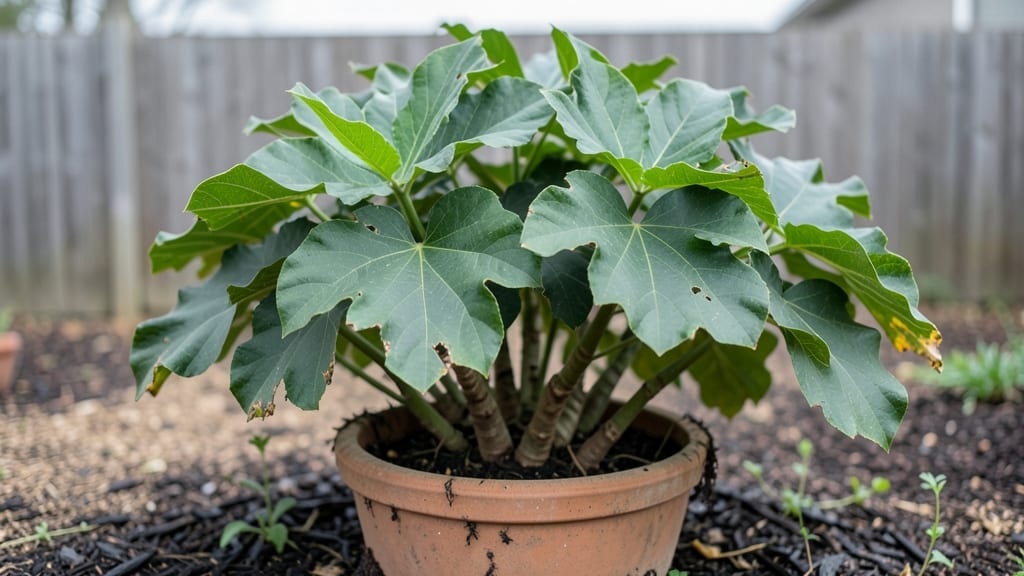
A potted shade garden brings unexpected color to dark corners where most plants struggle. I’ve turned my dim porch into a lush retreat using plants that thrive under trees or north-facing walls—no special soil or fancy tools required.
The key is choosing the right mix of foliage and blooms that love filtered light, like impatiens, ferns, and calatheas, which reward you with vibrant growth all season long.
You’ll need containers with good drainage (think terracotta or plastic pots with saucers) and a well-draining potting mix designed for shade plants. Group pots of varying heights to create visual interest, and add mulch to keep moisture in and weeds out.
This setup works for balconies, patios, or even indoor spots near windows—just avoid direct afternoon sun. The results? A year-round display that feels like a secret garden, even in the shadiest spots.
By late spring, you’ll see velvety ferns unfurling and clusters of impatiens bursting with color, while calatheas add striking patterns to the mix. The best part? These plants stay lush and healthy with minimal fuss—just consistent watering and occasional fertilizer.
Once established, they’ll flourish with almost no effort, turning forgotten corners into a blooming oasis.
This design adapts easily to different spaces—whether you’re working with a single pot or a full patio setup. The same principles apply whether you’re in a wooded backyard or an apartment with limited light. Here’s how to pull it all together without overcomplicating things.
📚 In This Guide
- What you need
- Instructions
- Tips and common mistakes
- Wrapping up and next steps
What you need
- ● Containers: 3–5 large pots (12–18 inches in diameter) with drainage holes. Opt for terra cotta, ceramic, or fiberglass for breathability.
- ● Quality potting mix: 1–2 bags (1–2 cubic feet each) of well-draining, peat-free mix (e.g., Miracle-Gro Potting Mix or FoxFarm Ocean Forest).
- ● Shade-tolerant plants: 1–2 plants per pot (e.g., heuchera, ferns, impatiens, or calatheas). Check plant tags for partial to full shade needs.
- ● Gravel or perlite: Small bag (for drainage layer at the bottom of pots).
- ● Gloves & trowel: 1 pair and 1 lightweight trowel for handling soil and plants.
- ● Slow-release fertilizer: 1 packet (e.g., Osmocote Smart-Release Plant Food).
- ● Mulch: Shredded bark or coconut coir to retain moisture.
- ● Decorative stones or moss: For a polished, natural look.
- ● Self-watering trays: To keep roots consistently hydrated.
- ● Plant labels: To track varieties and care needs.
Step-by-Step instructions for designing a thriving potted shade garden
Here’s how to create a vibrant, low-maintenance shade garden using containers—no direct sun required.
Select the Right Containers and Drainage
Choose 14-inch diameter pots with drainage holes for each of your 4 plants. Terra cotta or fiberglass containers work best—they breathe and prevent root rot in consistently moist shade conditions. If your pots lack drainage, drill ¼-inch holes in the bottom and line them with ½-inch mesh to keep soil in place.
Place a 2-inch layer of gravel at the bottom of each pot before adding soil. This ensures excess water drains away from roots, preventing soggy soil that chokes shade-loving plants. The gravel also helps maintain airflow, which is critical for preventing fungal diseases in low-light environments.
Layer Soil for Optimal Moisture Retention
Fill each pot halfway with 4 gallons of premium potting mix—this lightweight blend drains well while holding enough moisture for shade plants. Mix in 1 cup of perlite per pot to improve aeration and prevent compaction. Shade plants like consistent moisture but hate waterlogged roots, so this balance is key.
Top the mix with 2 inches of organic compost to feed your plants gradually. Press lightly but don’t compact the soil—shade plants develop shallow root systems, and dense soil restricts their growth. Water the soil mixture until it’s damp 1 inch deep, but not saturated.
Plant Shade-Tolerant Thrivers
Choose 4 shade-loving plants like impatiens, ferns, or hostas, spacing them 6 inches apart in each pot. Dig holes just deep enough to accommodate the root balls without burying stems—this prevents rot and encourages strong growth. Gently tease apart crowded roots to help them establish faster in their new home.
Fill the gaps with additional potting mix, pressing lightly to eliminate air pockets. Water immediately after planting to settle the soil and remove any air gaps around roots. Shade plants often struggle in dry soil, so keep the surface consistently moist for the first 2 weeks to help them acclimate.
Position Pots for Indirect Light
Place your pots in dappled shade, where they receive 2-4 hours of filtered sunlight daily. East-facing windows or under 30% shade cloth are ideal—direct sun will scorch leaves, while deep shade may stunt flowering. Rotate pots quarter-turn weekly to ensure even growth and prevent leaning toward light sources.
Group pots together to create a microclimate with higher humidity, which shade plants thrive in. Add mulch around the pot edges to retain moisture and suppress weeds. Check soil moisture daily—shade gardens dry out slower, but plants still need 1 inch of water weekly, adjusting for rainfall.
Maintain with Minimal Effort
Fertilize every 6 weeks with a balanced liquid fertilizer diluted to half-strength. Shade plants grow slower and need less food, but consistent feeding encourages lush foliage and blooms. Avoid high-nitrogen fertilizers—they promote leafy growth at the expense of flowers, which is the opposite of what you want in a seasonal display.
Deadhead spent blooms regularly to encourage continuous flowering. Prune leggy stems in early spring to maintain shape and airflow. Watch for pests like aphids—shade gardens attract fewer insects, but a neem oil spray keeps them at bay if they appear.
Tips & tricks for perfect potted shade gardens
Creating a thriving potted shade garden isn't just about following steps—it's about understanding the subtle details that make all the difference between a struggling arrangement and one that flourishes. Here's what I've learned after years of working with shade-loving plants in containers.
Container Selection Wisdom: While 14-inch pots are ideal, consider using slightly larger containers if you're planting varieties with more expansive root systems like hostas. The extra space gives roots room to grow without becoming root-bound, which is especially important in shade conditions where growth tends to be slower. Terra cotta pots actually work better than plastic for shade gardens—they wick away excess moisture, preventing the root rot that's a common issue in consistently damp shade environments.
The Soil Layering Technique: When creating your soil layers in Step 2, don't skip the perlite—it's the secret to preventing compaction that would otherwise suffocate your shade plants' shallow root systems. I recommend sifting the potting mix and perlite together rather than mixing them separately, which creates a more uniform texture throughout the pot. This prevents water from pooling in dense spots while still maintaining moisture retention where it's needed.
Plant Spacing Secrets: The 6-inch spacing between plants might seem generous, but it's crucial for airflow in shade gardens where humidity naturally runs higher. Poor circulation creates the perfect conditions for fungal diseases like powdery mildew. If you're using particularly vigorous growers like ferns, consider spacing them 8 inches apart to give them room to spread without competing for nutrients.
Light Positioning Strategy: That 2-4 hour window of filtered sunlight is more critical than most gardeners realize. I've found that east-facing windows provide the perfect balance—morning light is gentle enough to prevent scorching while still giving plants the energy they need. If you don't have natural shade options, a 30% shade cloth is your best bet, but avoid anything darker than that as it can stunt flowering completely.
Pro Tips for Potted Shade Garden
- Creating a thriving potted shade garden isn't just about following steps—it's about understanding the subtle details that make all the difference between a struggling arrangement and one that flourishes.
- Container Selection Wisdom: While 14-inch pots are ideal, consider using slightly larger containers if you're planting varieties with more expansive root systems like hostas.
- The Soil Layering Technique: When creating your soil layers in Step 2, don't skip the perlite—it's the secret to preventing compaction that would otherwise suffocate your shade plants' shallow root systems.
Frequently asked questions
Got questions about creating a thriving potted shade garden? You’re not alone!
Here are answers to the most common queries to help you grow with confidence—even in low-light spots.
What are the best plants for a potted shade garden?
Opt for low-light lovers like ferns, hostas, impatiens, calatheas, and heucheras. For color, try begonias or coleus. Pro tip: Mix textures (e.g., leafy ferns + spiky dracaenas) for visual interest!
When is the best time to plant a potted shade garden?
Plant in early spring or fall when temps are mild. Avoid extreme heat or frost. Container gardens can also be planted in late winter if using cold-hardy plants. Just ensure roots have time to establish before harsh weather!
How often should I water a potted shade garden?
Check soil moisture daily in summer—containers dry out fast! Water when the top inch feels dry. Shade plants need consistent moisture, but avoid soggy soil (use pots with drainage holes). Mulch helps retain moisture.
Can I reuse soil from last year’s potted garden?
Not ideal! Old soil may compact or lack nutrients. Refresh it with a mix of potting soil, perlite, and compost (3:1:1 ratio). Sterilize reused containers with a 10% bleach solution to prevent disease.
How do I keep pests out of my potted shade garden?
Prevent pests with neem oil or insecticidal soap. Spider mites and aphids love shade plants—check undersides of leaves weekly. Pro tip: Encourage beneficial insects like ladybugs with companion plants like marigolds!
Wrapping up and next steps
Creating a potted shade garden is all about embracing the beauty of low-light spaces and turning them into vibrant, thriving mini-ecosystems. 🌿 With the right plants, containers, and care, you can enjoy lush greenery and blooms year-round—even in the shadiest corners of your home!
Whether you’re a beginner or a seasoned gardener, this guide gives you the confidence to start small and grow big.
Ready to transform your space? Pick your favorite shade-loving plants, grab your pots, and get growing! Start with just one container, and watch your green thumb flourish. Happy planting! 🌱