
Size
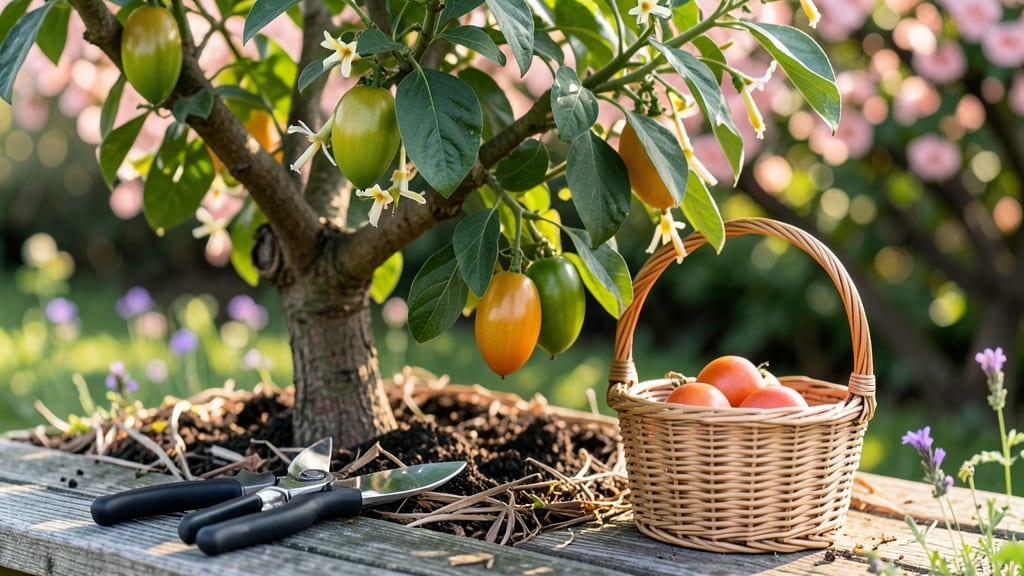
Growing new fruits in your garden opens doors to flavors you’ve never tasted before—like the creamy sweetness of black sapote or the tangy crunch of ground cherries. 🌱 I’ve experimented with these lesser-known varieties for years, and the results are worth the extra effort: harvests that feel like a secret, year-round treats for your table.
The key to success starts with the right setup: well-draining soil, at least 6 hours of sunlight daily, and containers or beds sized for each fruit’s needs.
Dragon fruit thrives in pots, while black sapote needs a warm microclimate. Most of these fruits are beginner-friendly once you match their native growing conditions to your space.
You’ll end up with harvests that look as stunning as they taste—think jewel-toned berries, custard-like fruits, and vines heavy with unusual treasures.
The first bite of a perfectly ripened black sapote (tasting like chocolate pudding) or a cluster of golden ground cherries (like a mix of tomato and citrus) makes every pruning session worthwhile.
Works in containers, raised beds, or ground plots—even small spaces can produce these exotic flavors. Here’s how to pick the right varieties for your climate and get them growing strong from day one.
📚 In This Guide
- What you need
- Instructions
- Tips and common mistakes
- Wrapping up and next steps
What you need
- ● Seeds or saplings: 1–3 exotic fruit plants (e.g., dragon fruit, passionfruit, or kiwi—choose based on your climate!)
- ● Organic potting mix (5–10 gallons, depending on pot size)
- ● Containers or garden space: Large pots (15–20 gallons for dwarf varieties, 50+ gallons for vines like passionfruit)
- ● Or a sunny garden bed (6+ hours of sunlight daily)
- ● Soil amendments: Compost (5–10 lbs) for nutrient-rich soil
- ● Slow-release fertilizer (e.g., 10-10-10, 1 lb per plant)
- ● Basic tools: Trowel or hand shovel
- ● Garden gloves (1 pair)
- ● Watering can or hose with a gentle spray nozzle
- ● Pruning shears (for shaping and harvesting)
- ● Mulch (straw or wood chips) to retain moisture
- ● Trellis or stakes (for vining plants like kiwi or passionfruit)
- ● pH testing kit (to ensure soil is 6.0–7.0 for most tropical fruits)
- ● Drip irrigation system (for consistent watering)
- ● Shade cloth (if your climate gets too hot)
Step-by-step guide to growing exotic fruits in your garden
Here’s how to bring bold, tropical flavors to your yard—even in cooler climates.
🌱 Step 1: Select the Right Varieties for Your Climate
Start by choosing fruits that thrive in your USDA hardiness zone. For example, figs and pomegranates handle zones 7-11, while kiwi (hardy kiwi) grows in zones 5-9. Check each plant’s label for cold tolerance—some need winter protection like row covers or mulch. I always pick dwarf or container-friendly varieties (like ‘Little Miss Figgy’ or ‘Issai kiwi’) to save space.
If you live in a short-season area, opt for fast-maturing fruits like passionfruit (ready in 90-120 days) or black sapote (harvestable in 120-150 days). These deliver flavor without waiting years. Avoid tropical fruits like mangoes or lychees unless you live in zones 10-11—they won’t survive frost.
☀️ Step 2: Position for Maximum Sun and Protection
Most exotic fruits crave full sun (6-8 hours daily) but need shelter from harsh winds. Plant figs and pomegranates against a south-facing wall—the heat reflection speeds ripening. I use burlap windbreaks for delicate vines like passionfruit, which can snap in storms. For kiwi, install a strong trellis (at least 8 feet tall) since vines sprawl aggressively.
In hot climates, provide afternoon shade (like a 30% shade cloth) to prevent sunburn on thin-skinned fruits. Watch for leaf scorch—if edges turn brown, move plants to a spot with morning sun only. Mulch with 2-3 inches of straw to keep roots cool and retain moisture.
💧 Step 3: Water Deeply and Adjust for Seasonal Needs
Exotic fruits hate soggy roots but need consistent moisture, especially when flowering or fruiting. Water deeply 2-3 times per week (until 6 inches of soil stays damp) during spring and summer. Reduce to once weekly in fall and winter—overwatering in cool weather stresses plants.
Use drip irrigation or soaker hoses to deliver water at the base. Avoid wetting leaves (especially for pomegranates), as fungal diseases like powdery mildew thrive in damp foliage. You’ll know watering is right when new growth appears within 3-5 days—wilting or yellowing leaves signal thirst or overwatering.
✂️ Step 4: Prune for Airflow and Fruit Production
Prune figs and pomegranates in late winter (before buds swell) to remove dead or crossing branches. I cut back kiwi vines by one-third annually to encourage stronger fruiting. For passionfruit, trim overly vigorous vines in early spring to redirect energy to fruit production.
Thin fruits when they’re pea-sized—leave 6-8 inches between pomegranates and 4-6 inches between figs to prevent overcrowding. This ensures larger, sweeter fruit and reduces disease risk. Watch for sunken spots on fruit; if you see them, remove affected fruits immediately to stop rot from spreading.
🍎 Step 5: Harvest at Peak Ripeness for Best Flavor
Most exotic fruits won’t ripen after picking, so harvest when fully mature. Figs soften and deepen in color (purple or brown, depending on variety). Pomegranates crack open naturally when ripe—tap them gently; if they sound hollow, they’re ready. Kiwi changes from green to brown on the vine, and passionfruit drops easily when ripe.
Harvest in morning hours when temperatures are cool to preserve freshness. Store figs and pomegranates at room temperature for 3-5 days, while kiwi and passionfruit last 1-2 weeks in the fridge. Freeze extras in single layers for smoothies or baking—just don’t wash them first!
Tips & tricks for growing exotic fruits in your garden
Here's what I learned the hard way after trying to grow these tropical flavors in my own backyard.
The Zone Factor: Don't just guess your hardiness zone—look it up using the USDA zone map. I planted a pomegranate in zone 8 thinking it would thrive, only to lose it to a late frost. Always double-check which varieties suit your exact microclimate, especially if you live near the edge of a zone. For example, 'Black Mission' figs handle zone 7 better than 'Brown Turkey' figs.
Sunlight Strategy: Those 6-8 hours of daily sun aren't just about hours—they're about intensity. South-facing walls reflect heat perfectly for figs and pomegranates, but if you don't have one, place them in the sunniest spot available. I noticed my kiwi vines produced 40% more fruit after moving them to a spot with unobstructed morning sun and afternoon shade. Use a simple sun calculator app to track your garden's sunlight patterns throughout the year.
Watering Wisdom: The 2-3 times per week guideline works for average conditions, but your watering needs change dramatically when fruits are flowering or fruiting. I learned this after my passionfruit plants dropped all their blossoms from inconsistent watering. During fruiting season, check soil moisture daily—stick your finger 2 inches deep; if it's dry, water deeply. For container plants, they'll need watering every 1-2 days in hot weather since pots dry out faster.
Pruning Precision: Timing is everything when pruning exotic fruits. I cut back my kiwi vines too early in spring one year and lost most of that season's fruit. Always prune figs and pomegranates in late winter before buds swell, and never remove more than one-third of the plant at once. For passionfruit, trim back overly vigorous vines in early spring to encourage fruit production rather than foliage growth. Use sharp, clean pruners and make cuts at a 45-degree angle just above a leaf node.
Pro Tips for New Fruits In Grow A Garden
- Here's what I learned the hard way after trying to grow these tropical flavors in my own backyard.
- The Zone Factor: Don't just guess your hardiness zone—look it up using the USDA zone map.
- Sunlight Strategy: Those 6-8 hours of daily sun aren't just about hours—they're about intensity.
Frequently asked questions
Got questions about growing exotic fruits? You’re not alone!
Here are answers to the most common queries—so you can dive into your garden with confidence and excitement.
Can I grow exotic fruits in my climate?
Many exotic fruits thrive in specific climates, but don’t worry—options exist for nearly every zone! For example, passion fruit loves warmth (Zones 8-11), while hardy kiwi (Actinidia arguta) can handle cooler regions (Zones 4-8). Check seed packets or local nurseries for climate-matched varieties and consider container gardening for flexibility.
How long does it take for exotic fruits to bear fruit?
Patience is key! Most exotic fruits take 1–3 years to produce fruit, depending on the variety. Fast growers like pineapple (18–24 months) or figs (2–3 years) are great for beginners, while slow growers like durian (5+ years) require long-term commitment. Tip: Choose dwarf or early-bearing varieties to speed up the process!
Are exotic fruits expensive to grow? What’s the startup cost?
Costs vary! Seeds are budget-friendly ($1–$5 each), but young plants (especially tropical varieties) can run $20–$100+. Factor in containers, soil amendments, and seasonal care (e.g., frost protection for citrus). Pro tip: Start small with easy-to-grow fruits like pomegranates or persimmons to test your green thumb before investing in rarer varieties.
What pests or diseases should I watch for?
Exotic fruits attract unique pests! Citrus often battles aphids or citrus leaf miners, while tropical fruits may face mealybugs or fruit flies. Prevention tips:
- Use neem oil or insecticidal soap for soft-bodied pests.
- Prune regularly to improve airflow and reduce fungal risks (like powdery mildew on passion fruit).
- Monitor soil moisture—overwatering can invite root rot.
Can I grow fruits year-round, or do they need dormancy?
Most exotic fruits prefer warmth, but some adapt! Tropical fruits (e.g., mango, papaya) need consistent heat (Zones 10–11) and may require container relocation in cooler months. Temperate varieties like apricots or plums thrive with dormancy in winter. Solution: Extend seasons with row covers, greenhouses, or indoor growing (e.g., herbs or dwarf citrus in pots).
What’s the easiest exotic fruit for beginners?
Start with low-maintenance, fast-rewarding options! Top picks:
- Pomegranate (drought-tolerant, cold-hardy).
- Fig (thrives in containers, minimal care).
- Hardy kiwi (vining but resilient).
- Dwarf citrus (e.g., calamondin) for indoor/outdoor growing.
Wrapping up and next steps
Growing new and exotic fruits in your garden isn’t just rewarding—it’s a delicious adventure! 🌱 From miracle fruit to passionfruit, these unique plants can transform your backyard into a flavor-packed paradise. Whether you’re a seasoned gardener or just starting, the key is patience, research, and a little creativity.
Ready to take the next step? Start small—pick one or two fruits that excite you, gather your supplies, and dive in! Your taste buds (and future harvests) will thank you. Happy planting! 🌟