
Tools
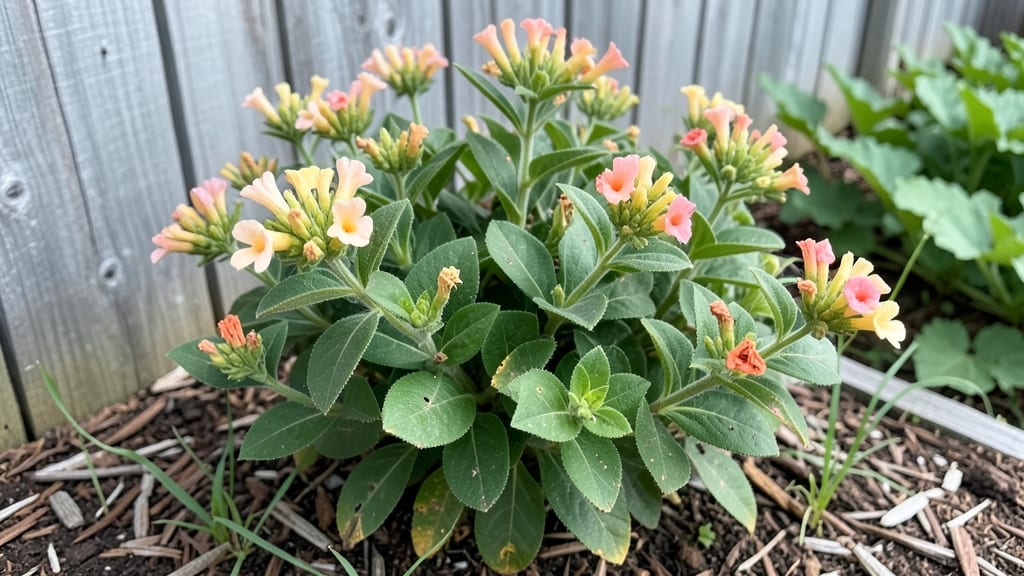
Lantana in garden design transforms any space into a sunlit, buzzing paradise with its vibrant clusters and relentless blooming. 🌻 I’ve used it as a living border that never quits—even when my other annuals take a summer nap—and it’s become my go-to for instant color in every season.
The key isn’t just planting it; it’s arranging it so it steals the show without stealing the spotlight from your other plants.
Start with its natural habits: lantana thrives in full sun and well-drained soil, making it perfect for modern raised beds, cottage-style borders, or even as a spillover in containers.
Pair it with silver foliage plants like lamb’s ear to make the colors pop, or tuck it alongside salvias and coneflowers for a pollinator magnet.
In my front yard, I planted it in staggered heights—taller varieties in back, shorter ones up front—to create a layered effect that looks intentional (even though it’s basically foolproof).
What you’ll end up with is a garden that stays lush and lively from spring through frost, with butterflies and bees constantly visiting. The flowers change color as they age, giving you a free show of pinks, yellows, and oranges in one plant.
Plus, it’s drought-tolerant once established, so you’ll spend less time fussing and more time admiring.
Works in everything from wildflower meadows to sleek urban courtyards—just give it room to spread and watch it work its magic. Here’s how to make it the star of your design without the usual annual headaches.
📚 In This Guide
- What you need
- Instructions
- Tips and common mistakes
- Wrapping up and next steps
What you need
- ● Lantana plants: Choose Lantana camara (most common) or other varieties. Buy 3–5 healthy nursery-grown plants (6–12 inches tall) for instant color.
- ● Well-draining potting mix: 2–3 bags (1–2 cubic feet each) of a blend like 50% garden soil + 50% perlite/sand (lantana hates soggy roots!).
- ○ Containers (optional but handy): 1–2 hanging baskets (12–18 inches wide) for trailing varieties.
- ● Or 1–2 gallon pots (with drainage holes) for in-ground planting.
- ● Slow-release fertilizer: 1–2 lbs of 10-10-10 or balanced organic fertilizer (like 5-5-5) to kickstart growth.
- ● Pruning shears: A sharp pair for trimming leggy stems (look for bypass-style for clean cuts).
- ○ Gloves (optional): Lantana leaves can be slightly prickly—lightweight gardening gloves help!
- ● Sunlight: A spot with 6+ hours of direct sun daily (lantana thrives in heat!).
- ● Drainage: Avoid low-lying areas where water pools—lantana roots rot easily.
- ● Hardiness zone: Plant in zones 8–11 (or grow as annuals in cooler climates).
- ● Watering can or hose: For gentle watering (lantana prefers dry soil once established).
How to plant and maintain lantana for nonstop blooms
This hardy shrub thrives with minimal effort—here’s how to plant and care for it.
🌱 Step 1: Choose the Perfect Spot for Sun and Drainage
Lantana demands full sun—at least 6-8 hours daily—to produce its vibrant, long-lasting blooms. I always pick the sunniest corner of my garden because shade weakens stems and reduces flowering. The soil must drain well; lantana rots quickly in soggy conditions. If your yard has heavy clay, mix in 2-3 inches of coarse sand or gravel to improve drainage before planting.
Test drainage by digging a 6-inch hole, filling it with water, and checking if it drains within 30 minutes. If water pools, amend the soil or plant in a raised bed. Lantana’s roots spread widely, so space plants 3-4 feet apart to give them room to grow without overcrowding.
🪴 Step 2: Plant Bare-Root or Container-Grown Lantana
Dig a hole twice as wide as the root ball but only as deep as the container. Loosen the roots gently if they’re circling in the pot—this encourages outward growth. Place the plant in the hole, backfill with native soil, and firm it lightly around the base. Avoid burying the stem too deep; the top of the root ball should sit just below soil level.
Water deeply right after planting to settle the soil and eliminate air pockets. You’ll know it’s right when moisture reaches 6 inches down. Mulch with 2-3 inches of shredded bark (not the provided mulch—use organic material) to retain moisture and suppress weeds, but keep mulch 3 inches away from the stem to prevent rot.
☀️ Step 3: Water Deeply but Infrequently
Lantana is drought-tolerant once established, but young plants need 1 inch of water weekly during the first growing season. Water at the base, not overhead, to avoid fungal diseases like powdery mildew. Let the top 2 inches of soil dry out between waterings—this prevents root rot and encourages deeper root growth.
After the first year, lantana thrives on rainfall alone in most climates. Overwatering is the biggest mistake; yellowing leaves or wilting stems signal too much moisture. If your area has heavy summer rains, ensure the soil drains quickly or plant on a slight slope to avoid water pooling.
✂️ Step 4: Prune for Shape and Encourage More Blooms
Prune lantana twice a year: once in early spring to shape the plant and again in late summer to remove spent blooms. Cut back leggy stems by one-third to encourage bushier growth. Use clean, sharp pruners and make cuts just above a leaf node or bud to promote new shoots.
Deadheading spent flowers isn’t necessary, but pinching back new growth tips in spring stimulates fuller plants. Lantana blooms on new wood, so regular pruning keeps it compact and flowering heavily. Wear gloves—lantana’s square stems can be sharp, and the leaves may irritate sensitive skin.
🌿 Step 5: Fertilize Lightly for Long-Lasting Color
Lantana doesn’t need much fertilizer, but a light feeding in spring with a balanced 10-10-10 formula encourages vibrant blooms. Scatter ½ cup of granules around the base, water deeply, and repeat every 6-8 weeks during the growing season. Avoid high-nitrogen fertilizers—they promote leafy growth at the expense of flowers.
Watch for signs of over-fertilizing: dark, glossy leaves or rapid but weak new growth. If this happens, flush the soil with extra water to leach out excess salts. Lantana’s natural hardiness means it often thrives without fertilizer, but a little goes a long way for showy blooms.
Tips & tricks for perfect lantana planting and care
A few simple tricks will help you get the most vibrant blooms from your lantana with minimal effort.
Sunlight Secret: The 6-8 hours of full sun required isn't just about location—it's about timing. I've found that morning sun (6-10 AM) gives the best results, as afternoon heat can stress young plants. If you're planting in a container, place it where it gets sun all day, but move it to partial shade during extreme midday heat waves.
Drainage Test: That 30-minute drainage test in Step 1 is crucial—don't skip it! I've learned the hard way that even slightly soggy soil can kill lantana roots within days. If your soil fails the test, consider planting in a raised bed or large container with drainage holes. You can also create a "hill" of amended soil where the plant will sit to improve drainage naturally.
Pruning Technique: When pruning in late summer, cut back to just above a leaf node where new growth appears. This might seem counterintuitive, but it encourages the plant to branch out more. I've seen lantana that was pruned this way become twice as bushy within a season! Always use clean pruners to prevent spreading disease between cuts.
Watering Wisdom: The "top 2 inches dry" rule in Step 3 works wonders, but here's the thing: this changes with seasons. In summer heat, you might need to water every 5-6 days instead of weekly. I check soil moisture by sticking my finger down—if it's dry at 2 inches, it's time to water. Overwatering is the #1 killer of lantana, so when in doubt, wait another day.
Pro Tips for Lantana In Garden
- A few simple tricks will help you get the most vibrant blooms from your lantana with minimal effort.
- Sunlight Secret: The 6-8 hours of full sun required isn't just about location—it's about timing.
- Drainage Test: That 30-minute drainage test in Step 1 is crucial—don't skip it!
Frequently asked questions
about growing lantana in your garden—because even the easiest plants have their quirks!Is lantana invasive, and should I worry about it spreading?
Lantana is not inherently invasive but can self-seed aggressively in warm climates. To control it, prune regularly and remove seed heads. In colder zones, it behaves like an annual, so spread is less of a concern. Always check local regulations—some areas list it as invasive, especially in Hawaii and Florida.
How do I keep lantana blooming all season long?
Deadhead spent flowers consistently to encourage new blooms. Lantana thrives in full sun and well-draining soil—water deeply but infrequently (let soil dry between waterings). A light fertilizer in spring can boost flowering, but avoid overfeeding. Pro tip: Pinch back leggy stems in early spring for bushier growth.
Can I grow lantana in containers, and what’s the best pot size?
Yes! Lantana adapts well to containers. Use a pot at least 12–14 inches wide with drainage holes to prevent root rot. Dwarf varieties (like ‘Bandana Series’) work best for small spaces. Place pots in full sun and water when the top inch of soil feels dry. Bonus: Move pots indoors in winter if temperatures dip below 30°F.
Why aren’t my lantana leaves green, and how do I fix it?
Yellow or pale leaves often mean overwatering or poor drainage. Let soil dry completely between waterings, and ensure pots/containers have drainage. Yellowing can also signal nutrient deficiency—try a balanced fertilizer. If leaves curl, it may be heat stress; provide afternoon shade in extreme heat.
Are there lantana alternatives for cooler climates or shadier gardens?
For cooler zones, try salvia, verbena, or pentas—they offer similar long-blooming color. For shade, opt for impatiens, fuchsias, or caladiums. If you love lantana’s drought tolerance, bougainvillea (in zones 9–11) or gaillardia are great substitutes. Tip: Test soil moisture before swapping plants!
Wrapping up and next steps
Incorporating lantana in your garden is a game-changer for year-round color with minimal effort—whether you’re a seasoned gardener or just starting out! 🌸 With its drought tolerance, vibrant blooms, and easy care, lantana transforms any space into a lively oasis while keeping maintenance simple. Ready to elevate your garden?
Your next step? Pick your favorite lantana variety and start planting—your garden (and pollinators!) will thank you. Happy gardening! 🌿