
Size
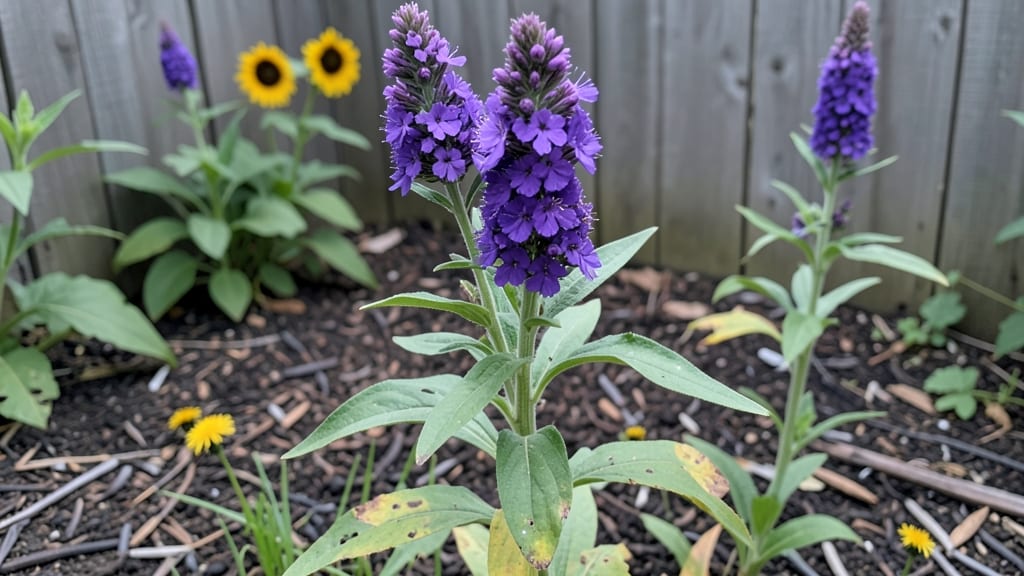
"Luminary ultraviolet tall garden phlox creates a dramatic vertical statement in any border. 🌿 I’ve seen it transform a plain backyard into a sunlit jewel-toned masterpiece—especially when planted in masses where its sun-resistant height (3–4 feet) catches the light like a beacon.
The flowers aren’t just purple; under UV light, they glow with an electric blue shimmer that makes your garden feel alive after dark.
This phlox thrives where others wilt—full sun to partial shade—making it perfect for hot, exposed spots. Pair it with silver foliage (like lamb’s ear) to amplify its luminous effect, or tuck it behind dark-leaved plants (like heucheras) to make the blooms pop.
For pollinators, add bee balm or coneflowers nearby—they’ll create a buzzing, blooming cascade that lasts from late spring through fall.
The real magic happens when you use it as a focal point. Plant three clumps in a triangular formation near a patio or entryway, and watch how the light dances across the petals as the sun moves.
Or line a pathway with it—every step reveals more of its sun-kissed glow. The flowers age gracefully too, their color deepening into a velvety lavender that still holds its structure long after other phlox flop.
Works in containers too—just give it a 5-gallon pot and a sturdy stake. For a moon garden, its UV-reactive blooms will light up under artificial light, turning nighttime strolls into a dreamy experience. Start with one plant, then expand—your garden will never look the same again.
📚 In This Guide
- What you need
- Instructions
- Tips and common mistakes
- Wrapping up and next steps
What you need
- ● Seeds or nursery plants: 3–5 Phlox paniculata 'Luminary Ultraviolet' plants or packets of seeds (ensure they’re labeled for tall varieties).
- ● Well-draining potting mix: 10–15 gallons (or enough to fill containers if not planting in-ground).
- ○ Garden soil (optional if amending): 1 part compost + 2 parts native soil (for in-ground planting).
- ● Fertilizer: Balanced, slow-release granular fertilizer (10-10-10 or similar, 1–2 cups per planting hole).
- ● Mulch: 2–3 inches of organic mulch (e.g., shredded bark or straw) to retain moisture.
- ● Watering can or hose with a gentle spray nozzle.
- ● Gloves and knee pads (for comfort!).
- ● Trowel or small shovel for digging planting holes (6–8 inches deep).
- ● Garden fork or cultivator (if amending soil).
- ● Measuring tape or ruler (to space plants 18–24 inches apart).
- ● Pruners or sharp scissors for deadheading and shaping.
- ● Sunlight access: Full sun (6+ hours/day) or partial shade (4–6 hours).
- ○ Drip irrigation or soaker hose (optional but helpful for consistent moisture).
- ● Stakes or plant supports (if stems need extra stability).
- ● Slow-release fertilizer spikes for convenience.
- ● Companion plants like Echinacea or Rudbeckia for a pollinator-friendly display.
- ● Garden markers to label your Luminary varieties.
Step-by-step guide to cultivating Luminary Ultraviolet tall garden phlox
Here's how I grow this sun-loving beauty—tall, vibrant, and blooming from early summer through fall.
🌱 Step 1: Select and Prepare the Planting Site
Luminary Ultraviolet thrives in full sun to partial shade, but the deeper the color, the more sun it needs. Choose a spot with at least 6 hours of direct sunlight daily—morning sun with afternoon shade works well in hotter climates. The soil should drain well; if your garden holds water, amend with 2-3 inches of compost mixed into the top 12 inches of soil.
I always test the soil pH first—this phlox loves 6.0-7.0. If your soil is too acidic, add dolomitic lime to raise the pH gradually. Avoid fresh manure or overly rich soil; it encourages leafy growth at the expense of blooms. Work the amendments into the soil about 2 weeks before planting to let them integrate.
🪴 Step 2: Plant at the Right Depth and Spacing
Dig holes twice as wide as the root ball but only as deep as the container. Gently remove the plant from its pot and loosen any circling roots with your fingers. Place the phlox in the hole so the top of the root ball sits just below soil level—burying the crown too deep suffocates the plant, while planting too high stresses it.
Space plants 2-3 feet apart for full, lush growth. This variety grows 3-4 feet tall, so give it room to spread without crowding. Backfill with native soil, pressing lightly to eliminate air pockets. Water deeply right after planting to settle the soil and encourage root contact. You'll see new growth within 7-10 days if conditions are right.
☀️ Step 3: Water and Fertilize for Continuous Blooms
Keep the soil consistently moist but never soggy during the first 2-3 weeks after planting. Water at the base in the morning to reduce evaporation and fungal risks. Once established, Luminary Ultraviolet is drought-tolerant, but it rewards consistent moisture with longer bloom seasons. You'll know it's thriving when the foliage stays deep green and the stems remain sturdy.
Feed lightly with a balanced, slow-release fertilizer (10-10-10) at planting and again in early summer. Avoid high-nitrogen fertilizers—they promote leaf growth over flowers. Deadhead spent blooms regularly to encourage more flowers and extend the season. I pinch back leggy stems in early summer to promote bushier growth and prevent flopping.
✂️ Step 4: Prune and Maintain for Year-Round Interest
After the first flush of blooms, cut back stems by one-third to encourage a second round of flowers. This variety often reblooms prolifically if given proper care. In late fall, cut back stems to 6 inches tall to tidy the plant and remove any diseased or dead foliage. Mulch around the base with 2-3 inches of organic mulch to protect roots during winter.
Watch for powdery mildew in humid climates—this phlox is generally resistant, but crowded plants or poor airflow invite it. Space plants properly and avoid overhead watering to prevent issues. In late winter, before new growth appears, apply a 2-inch layer of compost around the base to replenish nutrients. You'll see fresh shoots emerge within 2-3 weeks of spring's arrival.
Tips & tricks for perfect Luminary Ultraviolet tall garden phlox
These game-changing insights will help you coax the most vibrant, sun-resistant blooms from your Luminary Ultraviolet phlox—no green thumb required.
Sunlight Secret: While 6 hours of sunlight is the minimum, I've found that positioning your phlox to catch morning sun with afternoon shade in hot climates actually intensifies those ultraviolet hues. The morning light builds energy while protecting delicate blooms from afternoon heat stress. Trust me on this—your flowers will thank you with deeper color and longer-lasting blooms.
Soil Prep Strategy: That 2-week soil amendment window isn't just arbitrary—it gives organic matter time to integrate without overheating roots. I like to mix in 2-3 inches of compost with a handful of perlite for extra drainage, especially in clay-heavy soils. This creates the perfect balance between moisture retention and oxygen flow that phlox craves.
Planting Depth Cues: The "just below soil level" rule is crucial—you want the top of the root ball to sit about 1/4 inch below ground. This subtle difference prevents crown rot while allowing easy access to moisture. I always check by pressing my finger into the soil; if it feels firm around the crown, you're golden.
Rebloom Hack: After your first flush of blooms, that one-third pruning isn't just about tidiness—it's about redirecting energy. I cut back to just above a set of healthy leaves, which triggers new growth from lower buds. This simple technique can extend your bloom season by 4-6 weeks with proper care.
Pro Tips for Luminary Ultraviolet Tall Garden Phlox
- These game-changing insights will help you coax the most vibrant, sun-resistant blooms from your Luminary Ultraviolet phlox—no green thumb required.
- Sunlight Secret: While 6 hours of sunlight is the minimum, I've found that positioning your phlox to catch morning sun with afternoon shade in hot climates actually intensifies those ultraviolet hues.
- Soil Prep Strategy: That 2-week soil amendment window isn't just arbitrary—it gives organic matter time to integrate without overheating roots.
Frequently asked questions
about Luminary Ultraviolet Tall Garden Phlox—because even sun-resistant superstars need a little extra love! Here are answers to the questions gardeners ask most.Can Luminary Ultraviolet Phlox handle full sun all day?
This variety is bred for sun resistance and thrives in full sun (6+ hours daily). Just ensure well-draining soil and consistent moisture during heatwaves. For extra protection in scorching climates, provide light afternoon shade—but it’ll still bloom beautifully.
When is the best time to plant for continuous blooms?
Plant in early spring (after last frost) or early fall for year-round color. For instant impact, use container-grown plants in late spring. Deadhead spent blooms regularly to encourage nonstop reblooming from spring through frost.
What’s a good alternative if my soil is too heavy or clay?
Amend clay soil with compost or perlite to improve drainage. For heavy soil, consider raised beds or container gardening with a mix of potting soil and sand. If drainage is still poor, opt for Phlox paniculata ‘David’—another tall, sun-tolerant variety with similar care needs.
Why are my phlox leaves turning yellow or spotted?
Yellowing leaves often signal overwatering or fungal issues. Improve airflow by spacing plants 18–24 inches apart and water at the base (avoid wetting foliage). For mildew, apply neem oil or a fungicide early in the season. Prevention is key—mulch to retain moisture without soggy roots!
How tall will Luminary Ultraviolet grow, and does it need staking?
This variety typically reaches 3–4 feet tall with a 2-foot spread. While sturdy, tall stems may flop in heavy rain or wind. For support, use ornamental stakes or weave plants near a fence. Prune leggy stems in early spring to encourage bushier growth.
Still stumped? Tag us @GardenGuru with your phlox pics—we’re happy to help troubleshoot!
Wrapping up and next steps
Transforming your garden with Luminary Ultraviolet Tall Garden Phlox is a rewarding journey—one that brings bold color, sun-resistant beauty, and all-season charm! 🌸 Whether you're a seasoned gardener or just starting, this striking variety offers effortless elegance and versatility. Ready to elevate your outdoor space?
🌱 Your Next Step:
- Pick your spot: Sunlit or partial shade—just plant and watch it thrive!
- Grab your phlox: Visit local nurseries or order online for instant curb appeal.
- Share the joy: Snap photos and tag #LuminaryPhlox—inspire others to bloom!