
Landscaping
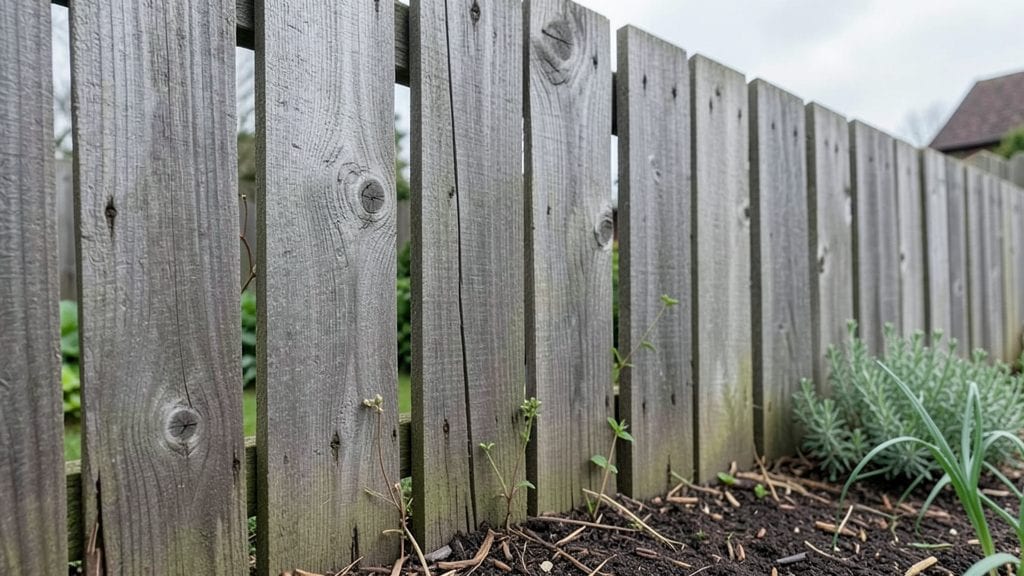
Garden fence height regulations vary by location, with most cities enforcing a standard residential limit of 6 feet, while some permit up to 8 feet for privacy or security purposes. Always verify your local zoning codes before building to prevent costly violations.
Local laws often reflect neighborhood aesthetics and safety concerns, so a 6-foot fence is the most common standard—but exceptions exist. For example, some rural areas allow taller agricultural fences, while urban HOAs may enforce stricter rules.
I’ve seen 8-foot privacy screens work in suburban areas where local ordinances permit them, though they require permits in many places. The key is checking with your city’s planning department before breaking ground, as fines for non-compliance can exceed $500 in some regions.
Beyond legal limits, your choice of fence height affects both privacy and curb appeal. A 6-foot wood fence offers solid coverage while staying within most regulations, while chain-link or vinyl options might need creative landscaping (like tall shrubs) to achieve the same effect.
If you’re aiming for maximum privacy without legal risks, consider lattice panels or bamboo screens—they add visual height without triggering height restrictions.
💡 In This Article
- Local Fence Height Regulations by State
- Choosing the Right Fence Height for Privacy and Aesthetics
Local fence height regulations by state
State laws often serve as a baseline, but local municipalities typically set the final rules. For instance, California’s Civil Code §772 permits 6-foot fences for privacy, while Los Angeles County enforces this strictly in single-family neighborhoods.
Texas takes a more flexible approach—7-foot front fences are allowed in suburban areas like Dallas, but rural counties may permit 8-foot agricultural fences without permits. The key difference? Urban areas prioritize uniformity, while rural zones focus on practicality for livestock or property demarcation.
Homeowners associations (HOAs) add another layer of complexity. In communities like Orlando, Florida, HOAs often mirror city codes but may impose stricter limits (e.g., 5-foot fences) to maintain neighborhood aesthetics.
Violations can trigger fines or forced removals—one HOA in Austin, Texas required a homeowner to reduce a 7-foot fence to 6-foot after complaints, costing them $1,200 in modifications. Always review both city ordinances and HOA covenants before installation.
Rural exceptions often hinge on land use. In Idaho, agricultural fences can reach 8-foot heights to contain livestock, while Oregon’s forestry districts allow 10-foot fences for firebreaks. Security is another common exemption—Alabama permits 8-foot fences in high-crime zones if approved by local police.
These variances reflect how regulations adapt to regional needs, from farmland to urban security concerns.
Enforcement varies dramatically. Some cities, like San Diego, conduct random inspections and issue fines up to $500 for unpermitted fences. Others, like Phoenix, focus on complaints before taking action. The takeaway?
Even in lenient states, 6-foot remains the safest bet unless you’ve secured written approval for taller structures. Pro tip: Call your city’s planning department for exact measurements—they often provide free height charts.
Climate also plays a subtle role. In Florida, taller fences (7-foot) may require hurricane-resistant materials like vinyl or steel, adding cost but ensuring compliance. Meanwhile, Pacific Northwest states often allow 6-foot cedar fences to withstand moisture without rot.
These regional nuances mean a fence legal in Miami might face pushback in Seattle—always verify local material restrictions too.
What most people overlook? Setback rules. Even if your fence meets height limits, it may violate distance requirements from property lines. For example, Chicago mandates 3-foot setbacks for 6-foot fences, while Denver allows 1-foot setbacks for 4-foot fences.
Skipping this step can lead to disputes with neighbors or forced removals—always measure from your property line, not the fence itself.