
Tools
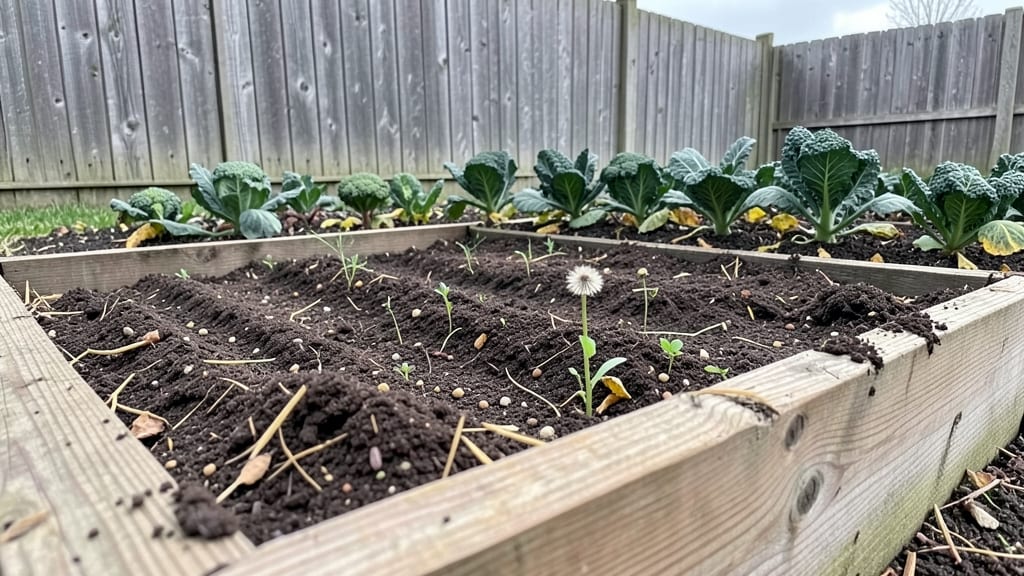
The ideal raised garden height for most vegetables and herbs is 6 to 12 inches, providing 6–12 inches of soil depth while making planting and maintenance easier. Deeper beds (18–24 inches) work best for root crops like carrots or potatoes.
The right raised garden height balances root space with practical gardening.
Shallow beds (6–12 inches) work perfectly for leafy greens and herbs, while deeper beds (18–24 inches) give root vegetables the room they need to thrive. 🌱 I’ve found that taller beds also reduce back strain—critical for gardeners who spend hours tending plants.
The key is matching bed height to your plants' needs and your own comfort.
For example, lettuce and basil thrive in standard-height beds, but potatoes or beets demand extra depth. If you’re designing for accessibility, consider adding removable side panels to adjust height as needed. This flexibility lets you optimize for both plant growth and gardener ease.
💡 In This Article
- How Soil Depth Affects Plant Root Growth
- Building Accessible Raised Garden Beds for All Ages
How soil depth affects plant root growth
Root growth depends entirely on available soil volume and oxygen exchange. Plants with shallow roots—like lettuce, radishes, or herbs—thrive in 6-12 inches of soil because their root systems rarely exceed 12 inches in depth.
The key factor is oxygen: compacted soil in deeper beds can suffocate roots, while taller beds improve aeration through better drainage and reduced compaction from foot traffic. 🌱 For instance, basil roots typically grow just 12-18 inches deep, making standard-height beds ideal.
Deep-rooted vegetables like carrots or potatoes need 18-24 inches of soil to develop properly. These plants grow roots that can reach 24-36 inches deep, and shallow beds force them to grow sideways, resulting in stunted, forked roots.
The science here involves soil resistance: deeper beds allow roots to push downward against less resistance, creating straighter, more uniform produce. Moisture retention also plays a role—taller beds hold water longer in their lower layers, supporting consistent root development.
Soil texture matters too. Sandy soils drain faster in shallow beds, while clay soils can become waterlogged. A 12-inch bed with loamy soil (a mix of sand, silt, and clay) offers the best balance for most plants, providing both drainage and moisture retention.
For example, tomatoes—with roots that spread 18-24 inches wide—benefit from taller beds because they need space to anchor while accessing nutrients deeper in the soil profile.
Here’s what happens when depth is insufficient: roots grow horizontally instead of vertically, leading to weaker plants. I’ve seen carrots in 8-inch beds develop gnarled shapes because their roots couldn’t penetrate deeper soil layers.
The solution? Layering soil amendments like compost or vermiculite in deeper beds improves root penetration and nutrient access. For shallow-rooted plants, focus on wide, not deep, beds to maximize surface area for nutrient uptake.
Temperature gradients also influence root growth. Deeper soil stays cooler and more stable, which is crucial for root crops. In 24-inch beds, the lower layers maintain temperatures 5-10°F cooler than surface soil, creating an optimal environment for root development.
This is why deep beds work better in hot climates—roots stay protected from temperature extremes. For leafy greens, however, cooler surface soil is preferable, making 6-12-inch beds ideal.
One often-overlooked detail: root oxygen demand increases with depth. Deeper beds must have adequate drainage to prevent anaerobic conditions (low oxygen), which can cause roots to rot. Adding coarse sand or perlite to the bottom 6 inches of deeper beds improves aeration.
This is especially critical for plants like asparagus, whose roots need both depth and oxygen to thrive over multiple seasons. 💫