
Watering
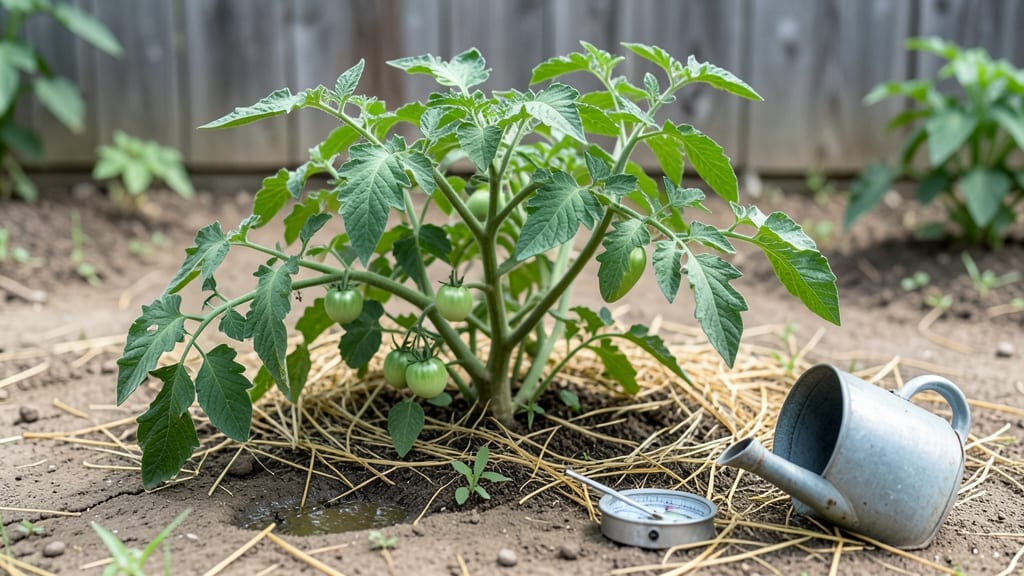
Watering your garden every day in hot weather can harm plants by encouraging shallow root growth and fungal diseases, but deep, infrequent watering strengthens roots and conserves moisture. Aim for 1-2 inches of water per week, adjusting for soil type and plant needs.
Daily watering in extreme heat actually stresses plants by preventing roots from seeking deeper moisture sources.
When soil stays damp at the surface, oxygen levels drop, suffocating roots while creating ideal conditions for fungal infections like powdery mildew. 🌱 I’ve seen firsthand how plants wilt faster when overwatered—they’re not getting the hydration boost they need, just the opposite.
Instead, focus on soaking the soil thoroughly 2-3 times per week, which encourages roots to grow deeper where they can access natural moisture reserves.
This approach isn’t just about survival—it builds resilience. Plants with deeper root systems handle heatwaves better and recover faster from drought. For example, tomatoes and peppers thrive with this method, while delicate flowers may need slightly more frequent but shallower watering.
Always check the top inch of soil before watering: if it’s dry, your plants are telling you they’re ready for another deep drink.
💡 In This Article
- How Daily Watering Damages Plant Roots
- Best Watering Schedule for Hot Weather Gardens
How daily watering damages plant roots
Here's what's actually happening when you water daily: shallow watering creates a false sense of hydration while suffocating roots. When soil stays consistently moist near the surface, oxygen levels drop below 10%—the critical threshold roots need to breathe.
This oxygen deprivation forces roots to stay near the surface where they can't access deeper moisture, making plants more vulnerable to heat stress and drought later. 🔥
The science gets even more interesting when you consider fungal growth. Warm, damp surface soil becomes a breeding ground for pathogens like Phytophthora and Pythium, which thrive in conditions above 70°F with high humidity.
I've seen firsthand how daily watering turns garden beds into fungal hotspots—plants develop yellowing leaves and stunted growth because their roots are constantly fighting infections rather than growing. The texture of overwatered soil becomes slick and compacted, further restricting airflow to roots.
What most people don't realize is how this weakens a plant's long-term resilience. Roots that stay shallow never develop the strength to reach 12-18 inches deep where natural moisture reserves exist. Compare this to properly watered plants: their roots grow like a carrot's taproot, seeking water below the surface.
These deep roots act like a plant's personal water storage system, allowing them to survive dry spells with minimal stress. The contrast is dramatic—shallow-rooted plants wilt at 75°F while deep-rooted varieties stay hydrated at 90°F.
Soil chemistry plays a crucial role too. Frequent watering leaches essential nutrients like nitrogen and phosphorus from the root zone, forcing plants to expend energy searching for food rather than growing. The pH balance shifts toward alkalinity in many soils when overwatered, making nutrients like iron and manganese less available.
This explains why daily watering often leads to yellowing between leaf veins—a classic sign of nutrient deficiency despite the plant's "hydrated" appearance.
Consider this comparison: a 1-inch daily watering session only penetrates 2-3 inches deep, while a single 20-minute deep watering can reach 6-8 inches. The difference in root development is night and day.
Plants watered deeply develop roots that are 30-50% longer than those watered daily, giving them access to 5-10 times more water storage capacity in the soil profile.
Even the plant's natural circadian rhythms get disrupted. Most plants absorb water most efficiently between 6-10 AM when temperatures are cool and evaporation is minimal. Daily watering at random times prevents this natural uptake pattern, causing water to evaporate before roots can absorb it.
This wasted water also creates surface crusting that repels future water, making it even harder for roots to access moisture. 💫