
Tools
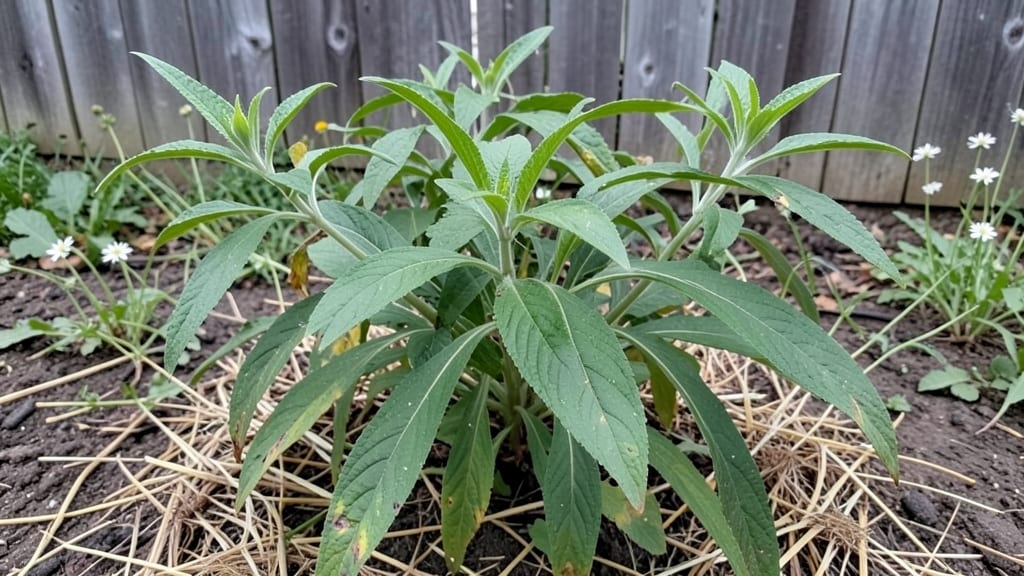
A lemon verbena garden brings sunshine in a pot—its citrusy scent alone makes any space feel brighter. 🌿 I’ve grown it in everything from clay pots to woven baskets, and it’s never let me down, even when other herbs wilted in the heat.
The key is its love for sun and well-draining soil, which keeps those fragrant leaves lush all season long.
This herb thrives in containers, making it perfect for small spaces or balconies where you want maximum aroma with minimal fuss. Pair it with lavender or rosemary for a Mediterranean vibe, or mix it with trailing plants like sweet potato vine for a cottage-garden look.
It’s drought-tolerant once established, so you’ll spend less time watering and more time enjoying its zesty perfume.
By summer’s end, you’ll be snipping leaves for teas, garnishes, or just to crush between your fingers for a burst of freshness. The scent lingers on your hands for hours—like carrying a tiny citrus grove with you everywhere.
Plus, it flowers in late summer, adding delicate white blooms to the mix.
Works equally well as a standalone star or tucked into borders—just give it 6+ hours of sun daily and soil that drains fast. The versatility is what makes it a game-changer for any garden style.
📚 In This Guide
- What you need
- Instructions
- Tips and common mistakes
- Wrapping up and next steps
What you need
- ● Lemon Verbena Plants: 2–4 healthy nursery-grown plants (or seeds, if starting from scratch). Look for aloysia citrodora or Aloysia triphylla varieties.
- ● Containers: 2–4 pots (5–7 inches in diameter) with drainage holes.
- ○ Optional: Hanging baskets (for trailing growth) or decorative planters (for aesthetics).
- ● Potting Mix: 2–3 gallons of well-draining herb or cactus/succulent mix (or DIY: 60% potting soil + 40% perlite/sand).
- ● Drainage: Small rocks (pebbles or lava rock) or broken pottery shards (1–2 inches layer at the bottom of each pot).
- ● Fertilizer: Balanced liquid fertilizer (10-10-10 or 20-20-20, diluted to half-strength).
- ○ Optional: Slow-release granules (like osmocote) for convenience.
- ● Watering Can or Spray Bottle: With a fine rose attachment to avoid disturbing soil.
- ● Pruning Shears: Sharp, clean pair for trimming (sterilize with rubbing alcohol).
- ○ Mulch (Optional): Light mulch like shredded bark or straw to retain moisture.
- ● Sunlight: A spot with 6+ hours of direct sunlight daily (south- or west-facing windowsills or balconies work best).
- ● Temperature: Lemon verbena thrives in 60–80°F (15–27°C). Avoid frost (below 30°F/-1°C).
- ● Humidity: Prefers moderate humidity but tolerates dry air (mist leaves occasionally in low-humidity climates).
- ● Time Commitment: 10–15 minutes daily for watering/pruning, plus occasional fertilizing.
Step-by-Step guide to growing lemon verbena in containers
This fragrant herb loves warmth and tight spaces—perfect for patio pots.
🪴 Step 1: Choose the Right Containers and Soil Mix
Lemon verbena thrives in 5-6 inch deep pots with drainage holes. I use terracotta containers because they breathe and prevent root rot. Fill each with 2 gallons of well-draining potting mix—never garden soil, which compacts and suffocates roots. Mix in ½ cup perlite per pot to improve aeration and prevent soggy soil.
Press the soil down lightly so it's firm but not packed. The surface should look slightly uneven—this helps water spread evenly when you water. Tap the pot gently on the table to settle everything without compacting. Lemon verbena hates wet feet, so a thick layer of gravel at the bottom (about 1 inch) ensures excess water drains away.
🌱 Step 2: Plant Your Lemon Verbena Starts
Dig a hole in the center of each pot twice as wide as the root ball but no deeper. Gently remove your lemon verbena from its nursery pot and tease the roots apart if they're circling. Place it in the hole so the top of the root ball sits ½ inch below the pot rim—this prevents water from spilling out when you water.
Fill the hole with soil, pressing lightly around the base to remove air pockets. Water immediately until it drains from the bottom. You'll know it's right when the soil looks evenly moist but not soggy. Avoid burying the stem too deep—this can cause rot and stunts growth. If your plant has multiple stems, space them evenly to encourage bushiness.
☀️ Step 3: Position for Sun and Water Regularly
Lemon verbena craves full sun (6-8 hours daily)—place pots in the southwest corner of your patio or balcony. If you only have partial shade, expect slower growth and milder fragrance. I rotate my pots quarter-turn weekly so all sides get even light, preventing lopsided growth.
Water when the top inch of soil feels dry—about every 3-4 days in summer. Stick your finger in the soil: if it's dry past your first knuckle, it's time. Overwatering is the #1 killer of container verbena. Let the soil dry slightly between waterings, and always empty drainage trays after watering to prevent root rot.
✂️ Step 4: Prune and Harvest for Bushier Growth
Pinch back the tips of new growth when stems reach 4-6 inches to encourage bushiness. Use clean scissors to snip just above a leaf node—this redirects energy to side branches. I harvest leaves regularly too: pick younger leaves for the strongest lemony flavor. Never take more than ⅓ of the plant at once, or you'll shock the growth.
Deadhead spent flowers in spring to keep the plant focused on foliage. Lemon verbena blooms are pretty but sap energy from the leaves. After harvesting, give the plant a light feeding with ½ strength balanced fertilizer every 4-6 weeks during growing season. Stop fertilizing in fall to prep for dormancy.
⏰ Step 5: Overwinter Your Lemon Verbena
When temperatures drop below 40°F, bring pots indoors near a sunny window. Reduce watering to every 7-10 days—the plant slows down in winter. Prune back ⅓ of the growth before moving inside to reduce stress. I place mine under a grow light for 12 hours daily to prevent legginess.
In early spring, repot if roots are circling. Refresh the top 2 inches of soil with new potting mix and resume regular care. Lemon verbena is perennial in zones 8-11, but container plants need this winter care to bounce back strong. With proper overwintering, your plant will reward you with years of lemony fragrance.
Tips & tricks for perfect lemon verbena in containers
Here's what I've learned after growing lemon verbena for years—these tricks will help you avoid common pitfalls and keep your fragrant herb thriving.
Soil Mix Secret: That ½ cup perlite in Step 1 isn't just about aeration—it's a game-changer for preventing soggy soil. I've found that adding ¼ cup coconut coir (optional) to the mix helps retain moisture without suffocating roots, especially in hot summer afternoons. The uneven soil surface you create helps water spread evenly, preventing dry pockets where roots might struggle.
Planting Depth Matters: When placing your lemon verbena in Step 2, that ½ inch below the pot rim rule is crucial. I've seen beginners bury stems too deep, which leads to rot. A good trick is to use a chopstick or pencil as a depth guide when making your planting hole. Also, if your plant has multiple stems, space them evenly to encourage bushiness—this prevents overcrowding as the plant matters.
Sunlight Strategy: The 6-8 hours of full sun in Step 3 is non-negotiable for maximum fragrance, but here's a pro tip: if your southwest corner gets harsh afternoon sun, consider placing your pots on a light-colored saucer to reflect some heat. I rotate my pots weekly to prevent lopsided growth, but I also keep an eye out for yellowing leaves—this often means the plant needs more light, not water.
Winter Prep: When temperatures drop below 40°F in Step 5, don't just move your plant indoors—prepare it properly. I give my lemon verbena a light haircut (pruning back ⅓ of growth) before moving it inside. This reduces stress and helps prevent legginess. The 12 hours of grow light is crucial too—without it, your plant will stretch toward the window and lose its compact shape.
Pro Tips for Lemon Verbena Garden
- Here's what I've learned after growing lemon verbena for years—these tricks will help you avoid common pitfalls and keep your fragrant herb thriving.
- Soil Mix Secret: That ½ cup perlite in Step 1 isn't just about aeration—it's a game-changer for preventing soggy soil.
- Planting Depth Matters: When placing your lemon verbena in Step 2, that ½ inch below the pot rim rule is crucial.
Frequently asked questions
Got questions about growing lemon verbena in containers? You’re not alone! Here are some of the most common queries—plus quick answers to help you cultivate a thriving, fragrant garden.
How much sunlight does lemon verbena need in containers?
Lemon verbena loves sun—aim for 6 to 8 hours of direct sunlight daily. In containers, place it where it gets morning sun and afternoon shade if you’re in a hot climate. Without enough light, growth slows, and the scent fades. A south- or west-facing spot is ideal!
How often should I water potted lemon verbena?
Check the soil daily during hot weather—containers dry out fast! Water when the top inch feels dry, but avoid soggy soil (root rot is a risk). In cooler months, water every 2–3 days. Pro tip: Use well-draining soil and a pot with drainage holes to prevent overwatering.
Can lemon verbena survive winter in containers?
Lemon verbena is tender and won’t tolerate frost. If temps drop below 20°F (-6°C), move pots indoors near a sunny window or into a garage (keep above freezing). Trim back growth in spring to encourage fresh foliage. In mild climates, mulch heavily and protect with burlap if needed.
What can I do if my lemon verbena leaves turn yellow?
Yellow leaves usually mean overwatering, poor drainage, or nutrient deficiency. First, check the pot—does it have drainage? If not, repot. If soil is soggy, let it dry out and reduce watering. For nutrients, feed with a balanced liquid fertilizer every 4–6 weeks. Yellowing from old age? Trim back leggy stems to encourage bushier growth.
Are there alternatives to lemon verbena for fragrant containers?
Try these low-maintenance, fragrant herbs for containers:
- Lavender: Drought-tolerant and calming (loves full sun).
- Mint: Fast-growing but invasive—plant in its own pot!
- Rosemary: Hardy and pine-scented; thrives in sunny spots.
- Thyme: Compact, aromatic, and great for culinary use.
Wrapping up and next steps
Creating a lemon verbena garden in containers is a rewarding way to enjoy fragrant, low-maintenance herbs that brighten any space! Whether you’re a seasoned gardener or just starting, this versatile plant thrives with minimal effort—just remember its love for sunlight, well-draining soil, and occasional pruning. 🌿✨
Now that you’re armed with the perfect tools, tips, and troubleshooting advice, why not take the next step? Snap a picture of your flourishing lemon verbena, share it with fellow plant lovers, or even gift a cutting to a friend. Happy gardening—your senses (and future teas!) will thank you!