
Tools
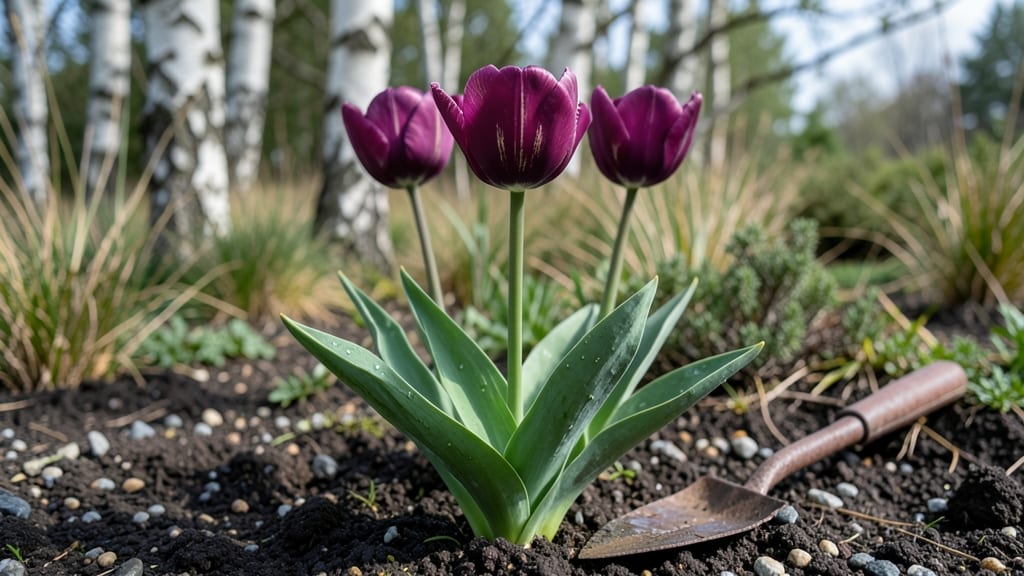
Creating a Kashmir-inspired tulip garden transforms your yard into a vibrant springtime masterpiece with bold colors and minimal upkeep. 🌸 The region’s famous tulip meadows burst into life each spring, and you can bring that same drama to your garden—even in climates far from the Himalayas.
The key lies in selecting the right tulip varieties and layering them with native perennials for year-round interest.
This design thrives on three core elements: tulips that bloom in staggered waves (early, mid, and late spring), evergreen ground covers to soften between blooms, and drought-tolerant shrubs for structure. Kashmir’s gardens often feature deep purples, fiery reds, and creamy whites—colors that pop against the region’s rocky terrain.
You’ll need well-draining soil and partial shade for some varieties to mimic their natural habitat.
What you’ll love most is how low-maintenance this garden stays. Once established, tulips return year after year with minimal pruning, and the layered plants create a lush backdrop that hides winter’s bare spots.
By summer, the tulips fade into the foliage, leaving room for companion plants like lavender or ornamental grasses to take center stage.
Adapt this look to your climate by choosing tulip varieties suited to your zone—some thrive in heat, others in cooler springs. The magic of Kashmir’s gardens isn’t just in the flowers, but in how they make every season feel intentional. Let’s bring that energy to your yard, step by step.
📚 In This Guide
- What you need
- Instructions
- Tips and common mistakes
- Wrapping up and next steps
What you need
- ● Tulip Bulbs: 100–200 Tulipa gesneriana bulbs (or Kashmir-specific varieties like Tulipa kaufmanniana for hardiness)
- ● Bulbs should be firm, dry, and pest-free, sized 12/14 cm (4.5–5.5 inches) in circumference
- ● Soil: 6–8 bags of well-draining garden soil (mix with compost for fertility)
- ○ Optional: Perlite or sand (1–2 bags) to improve drainage in clay-heavy soil
- ● Fertilizer: 5–10 lbs of bulb-specific fertilizer (high in phosphorus, like 5-10-10)
- ● Slow-release organic compost (2–3 bags) for long-term nourishment
- ● Tools: Hand trowel or bulb planter
- ● Garden gloves (2 pairs)
- ● Measuring tape (for spacing)
- ● Watering can or hose with a gentle spray nozzle
- ● Mulch: Straw or shredded bark (1–2 bags) to protect bulbs in winter
- ● Decorative Stones: River rocks or pebbles for a polished Kashmir-inspired look
- ● Drip Irrigation System: For automated watering (especially in dry climates)
- ● Tulip Companion Plants: Low-growing perennials (e.g., Allium or Crocus) for year-round interest
Step-by-Step instructions for designing a low-maintenance Kashmir tulip garden
Here’s how to create a vibrant, resilient display that thrives with minimal effort.
🌱 Step 1: Select and Prepare the Planting Site
Kashmir tulips thrive in well-draining soil with full sun exposure—at least 6 hours daily. Choose a slightly elevated area to prevent waterlogging, which their delicate roots despise. I always test drainage first by digging a 6-inch hole, filling it with water, and waiting to see if it drains within 30 minutes. If not, amend the soil with 2-3 inches of coarse sand or gravel before planting.
These tulips prefer slightly acidic to neutral soil (pH 6.0-7.0). If your soil is heavy clay, mix in 1 part compost to 3 parts native soil to improve structure. Spread a 2-inch layer of mulch (like shredded bark) around the planting area to suppress weeds and retain moisture without smothering the bulbs.
🪴 Step 2: Plant Bulbs at the Right Depth and Spacing
Kashmir tulips need deeper planting than most varieties—8-10 inches deep—to protect their stems from harsh winter winds and frost. Use a trowel to dig holes spaced 4-6 inches apart in rows 12 inches apart for optimal airflow. I plant them in early fall (6-8 weeks before frost) so roots establish before winter.
Place each bulb pointy side up (the shoot will emerge from the top) and cover with loose soil, tapping gently to eliminate air pockets. Water deeply immediately after planting to settle the soil and encourage root growth. The bulbs don’t need extra fertilizer at planting—too much nitrogen now will weaken their dormancy cycle.
☀️ Step 3: Layer Mulch and Provide Winter Protection
After planting, apply a 4-inch layer of straw or pine needles over the soil to insulate bulbs during winter. This mulch layer also prevents soil heaving—a common issue in freeze-thaw cycles that can expose bulbs. In colder climates, I add a lightweight row cover or burlap wrap over the mulch for extra protection during extreme cold snaps.
Kashmir tulips are hardy but benefit from snow cover to regulate temperature. If your winters are dry, water lightly once a month during dormancy to keep the soil from freezing solid. In spring, remove the mulch 2-3 weeks before blooming (when shoots reach 2 inches tall) to allow sunlight to trigger flowering.
✂ Step 4: Minimal Pruning for Year-Round Interest
Unlike many tulips, Kashmir varieties reward zero deadheading—let the foliage yellow naturally after blooming to feed the bulb for next year’s flowers. Once leaves turn brown and crisp, cut them back to 2 inches above the soil in late summer to tidy the garden without harming the bulb.
If you notice overcrowding after 3-4 years, dig up and divide bulbs in early fall. Separate offsets and replant immediately—they’ll bloom just as vigorously in their new spots. I’ve found that dividing every 3-4 years keeps the display lush without extra effort.
💧 Step 5: Water and Fertilize Strategically
Water deeply once a week during the growing season (spring through early summer), aiming for 1 inch of water per week. Avoid wetting the foliage to prevent fungal diseases. I use a soaker hose to deliver moisture directly to the roots without disturbing the bulbs.
Fertilize once in early spring with a balanced, slow-release bulb fertilizer (10-10-10). Scatter ½ cup per 10 square feet over the soil and water lightly to activate it. Skip fall fertilization—it can encourage weak growth before dormancy. These tulips thrive on neglect, so resist the urge to over-feed.
Tips & tricks for perfect Kashmir tulip garden design
Creating a stunning Kashmir tulip display requires attention to detail that pays off with years of effortless beauty. Here's how to elevate your garden from good to extraordinary.
Soil Test First: The 30-minute drainage test in Step 1 is non-negotiable for these delicate bulbs. I've seen too many gardens fail because the soil wasn't properly amended first. If your soil drains poorly, add the 2-3 inches of coarse sand or gravel as specified—this creates the crucial air pockets their roots need. For an extra boost, mix in a handful of perlite with your compost amendment to improve aeration even further.
Planting Precision: When planting at 8-10 inches deep as directed in Step 2, use a bulb planter or even a long screwdriver to create perfectly straight holes. The consistent depth ensures all bulbs receive equal winter protection. I mark my rows with landscape paint before digging to maintain the 12-inch spacing—this prevents overcrowding that can lead to smaller blooms. A level helps ensure uniform depth across your entire planting area.
Mulch Layering Strategy: The 4-inch mulch layer in Step 3 serves multiple purposes beyond insulation. I recommend using straw rather than pine needles if you have deer in your area—they find straw less appealing. For extra winter protection in Zone 5 and colder, add a second 2-inch layer of mulch after the first hard frost. This creates an insulating "sandwich" that regulates temperature fluctuations perfectly.
Fertilizer Timing: The early spring application of ½ cup 10-10-10 fertilizer per 10 square feet is critical, but don't overdo it. I've found that applying it when shoots reach 2-3 inches tall (just before blooming) gives the best results. This timing ensures the fertilizer benefits the emerging flowers rather than encouraging leafy growth at the expense of blooms. Always water lightly after applying to activate the granules.
Pro Tips for Kashmir Tulip Garden
- Creating a stunning Kashmir tulip display requires attention to detail that pays off with years of effortless beauty.
- Soil Test First: The 30-minute drainage test in Step 1 is non-negotiable for these delicate bulbs.
- Planting Precision: When planting at 8-10 inches deep as directed in Step 2, use a bulb planter or even a long screwdriver to create perfectly straight holes.
Frequently asked questions
Got questions about designing your own Kashmir Tulip Garden? Here are some of the most common ones—plus practical tips to make your project a success!
When is the best time to plant tulip bulbs for a Kashmir-style garden?
For a year-round color display, plant bulbs in early fall (October–November in most regions). This gives roots time to establish before winter. In warmer climates, aim for late fall (November–December). Pro tip: Use a soil thermometer—bulbs thrive when soil temps hit 40–50°F (4–10°C).
How long does it take for tulips to bloom after planting?
Most tulip varieties bloom 4–6 weeks after the ground freezes (or after planting in mild climates). Early spring bloomers (like Kashmirian types) may take slightly longer—6–8 weeks. For continuous color, stagger planting dates by 2–3 weeks for successive blooms!
Can I grow Kashmir tulips in containers or small spaces?
Use deep containers (12+ inches) with well-draining soil. Choose dwarf varieties (like ‘Darwin Hybrid’ or ‘Fosteriana’) for pots. Place containers in full sun and group 3–5 bulbs per pot for a lush look. Add a slow-release fertilizer to extend blooming time.
Do Kashmir tulips need heavy pruning, or is minimal maintenance enough?
Minimal pruning is key! Cut back foliage after it yellows (6–8 weeks post-bloom) to feed the bulb for next year. Avoid cutting stems while leaves are still green—this starves the bulb. Deadhead spent blooms to encourage reblooming in some varieties (like ‘Kaufmanniana’).
What’s the best companion planting for a low-maintenance tulip garden?
Pair tulips with perennials like lavender, catmint, or ornamental grasses for structure. Bulbs like alliums or daffodils deter pests. Avoid high-competition plants (e.g., hostas). Mulch with gravel or straw to suppress weeds and retain moisture—perfect for busy gardeners!
Wrapping up and next steps
Creating a Kashmir Tulip Garden is all about embracing nature’s beauty with minimal effort—proof that stunning landscapes don’t require constant upkeep! With the right soil, strategic plant selection, and a few smart design tweaks, you can enjoy vibrant blooms year-round while keeping pruning to a breeze. 🌸
Ready to transform your space? Start small—pick a sunny corner, gather your materials, and dive in! Whether you’re a seasoned gardener or a beginner, this project is your chance to craft a low-maintenance oasis that delights the senses. What’s one tulip variety you’ll try first?