
How To
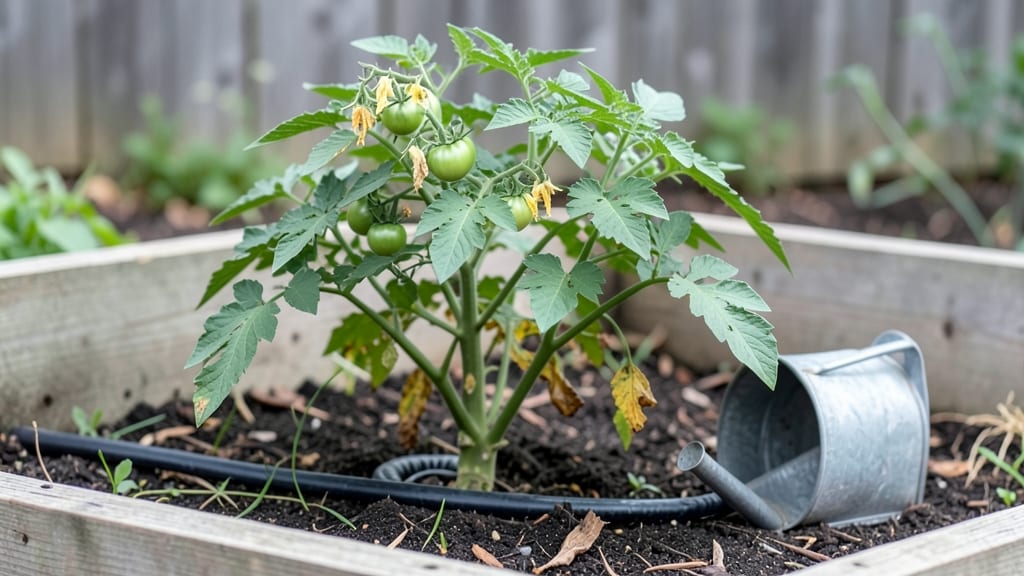
Leaving a soaker hose on your vegetable garden 🥕 for 15-30 minutes at a time is the sweet spot—long enough to saturate roots but short enough to avoid runoff.
Struggling to balance overwatering and underwatering? A soaker hose can be a game-changer—but timing is everything. Too little, and your plants wilt; too much, and you risk root rot or wasted water.
Most vegetables in Zone 6a need 1-2 inches of water per week, but that changes based on soil type, weather, and what you’re growing. Leafy greens like lettuce thirst more than root crops like carrots, and sandy soil drains faster than clay.
Below, I break down the exact soaker hose schedule by plant type, plus how to adjust for rain, heatwaves, and even your hose’s flow rate—so you never guess again.
Soaker hose watering times by vegetable type: expert schedule guide
A soaker hose delivers water directly to the root zone, reducing waste and promoting healthier vegetable growth. But timing matters—overwatering can drown roots, while underwatering stunts yields. The key is understanding each plant's needs and adjusting your hose runtime accordingly.
Below, I’ll break down watering durations by vegetable type, including soil moisture targets and seasonal tweaks to keep your garden thriving.
Leafy greens like lettuce and spinach need consistent moisture but can’t tolerate soggy soil, while root vegetables such as carrots and potatoes require deeper, less frequent watering. Tomatoes and peppers fall somewhere in between, needing steady hydration without waterlogging.
Let’s dive into the specifics so you can water like a pro and avoid common mistakes that waste water or harm your plants.
🌱
| Vegetable Type | Soaker Hose Runtime | Soil Moisture Target | Seasonal Adjustments | Signs of Overwatering |
|---|---|---|---|---|
| Leafy Greens (Lettuce, Spinach, Kale) | 15-25 minutes | Top 1-2 inches moist | Reduce by 30% in rainy seasons | Yellowing leaves, mold |
| Root Vegetables (Carrots, Radishes, Potatoes) | 20-30 minutes | Deep moisture (6+ inches) | Increase by 20% in sandy soil | Cracked soil, stunted growth |
| Fruiting Plants (Tomatoes, Peppers, Cucumbers) | 25-40 minutes | 1-2 inches per week | Increase by 50% in peak summer | Blossom end rot, wilting |
| Herbs (Basil, Parsley, Cilantro) | 10-15 minutes | Top 1 inch moist | Reduce by 25% in humid climates | Drooping leaves, fungal spots |
| Corn and Beans (Legumes) | 30-45 minutes | Deep, consistent moisture | Increase during flowering | Wilting, poor pod set |
For leafy greens, aim for 15-25 minutes of soaker hose time, keeping the top 1-2 inches of soil moist. These plants thrive with frequent, light watering but can’t handle waterlogged soil. If you notice yellowing leaves or mold growth, you’re overwatering—cut back by 20-30%.
In contrast, root vegetables like carrots need deeper watering (20-30 minutes) to encourage root development. Sandy soils may require longer runtimes to penetrate deeply, while clay soils might need shorter sessions to avoid saturation.
Fruiting plants such as tomatoes and peppers demand the most attention, with 25-40 minutes of watering to maintain 1-2 inches of moisture weekly. During peak summer, increase runtime by 50% to combat evaporation.
Watch for blossom end rot or wilting, which signal inconsistent watering. Herbs like basil are low-maintenance, needing only 10-15 minutes daily, but reduce runtime in humid climates to prevent fungal issues.
💧
Adjust your soaker hose schedule based on weather conditions
How to adjust soaker hose runtime for soil type and weather conditions
A soaker hose is a gardener’s best friend, but getting the runtime right depends on more than just guessing. Your soil type and weather conditions play huge roles in how long you should leave it running.
For example, clay soil holds moisture longer than sandy soil, while hot, dry days demand more water than cool, humid mornings. Let’s break down how to fine-tune your watering schedule for peak efficiency.
Start by understanding your garden’s unique needs. A moisture meter can save you from over- or underwatering, but even without one, you can adjust based on visual cues like soil texture and plant wilting.
For instance, leafy greens need consistent moisture, while root vegetables prefer slightly drier conditions. Below, I’ll walk you through the key adjustments for different scenarios.
🌱 Numbered Highlights: Adjusting Soaker Hose Runtime
- Clay Soil: Run hose for 30-45 minutes every 2-3 days—it drains slowly, so less frequent but deeper watering works best.
- Sandy Soil: Water for 20-30 minutes daily—it drains fast, so more frequent, shorter sessions prevent runoff.
- Loamy Soil: Aim for 25-40 minutes every 2 days, balancing moisture retention and drainage.
- Hot/Dry Weather: Increase runtime by 15-25% and water in early morning to reduce evaporation.
- Humid/Cold Weather: Reduce runtime by 20-30% and check soil moisture before watering.
- After Rain: Skip watering for 1-2 days—soil is already saturated, and overwatering causes root rot.
- New Plants: Run hose for 15-20 minutes daily for the first 2 weeks to help roots establish.
Don’t forget to monitor your plants for signs of stress. Yellowing leaves or wilting can signal overwatering or underwatering, respectively. If your soaker hose isn’t delivering evenly, try adjusting the flow rate or repositioning it to cover all plants uniformly.
Mulching around the base of your vegetables also helps retain moisture, reducing the need for longer runtimes.
Temperature swings can throw off your schedule, too. In summer heat, your hose might need to run 30-50% longer to compensate for evaporation. Conversely, in spring or fall, shorter sessions—like 15-25 minutes—are often enough.
Always water in the morning to let foliage dry before nightfall, which helps prevent fungal diseases like powdery mildew.
For precision, invest in a soil moisture sensor or a simple stick-style meter. These tools take the guesswork out of timing, ensuring your vegetables get the perfect amount of water without waste.
Over time, you’ll develop a feel for your garden’s needs, but start with these guidelines to avoid common pitfalls.
Pro tip: Keep a watering journal to track what works best for your specific setup. Note the soil type, weather patterns, and plant responses—this will help you refine your soaker hose routine for years to come. Happy gardening! 💧