
Pests
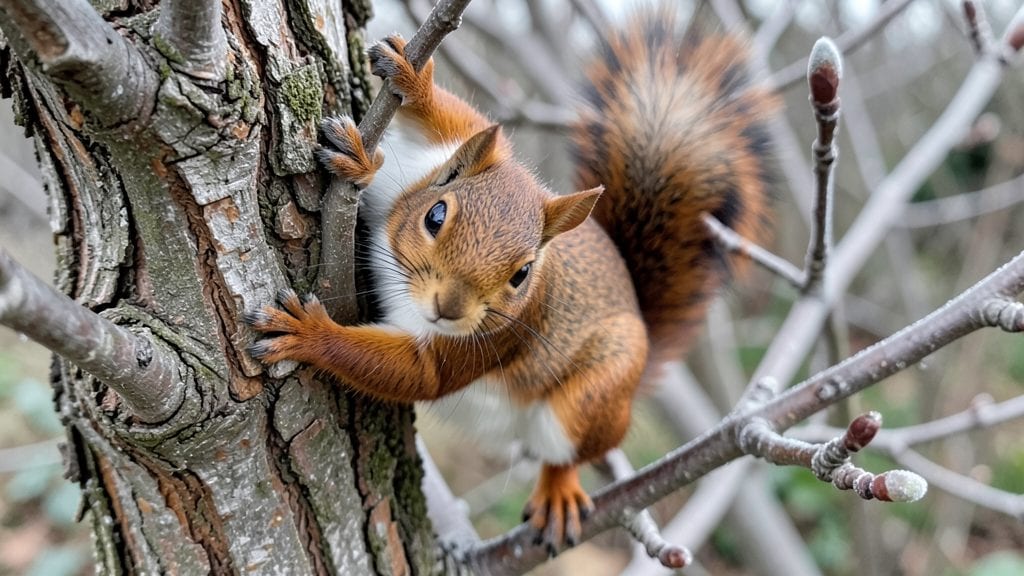
Learn how to protect garden from squirrels before they strip your tulip bulbs overnight—these clever barriers work better than scare tactics, making your garden less tempting than the wild woods they prefer. 🌱 raid.
I’ll show you how to block their paths, disguise their favorite snacks, and even turn them into garden allies instead of thieves.
You’ll need hardware cloth, wire mesh, or thick plastic sheeting for burrow-proofing, plus a few clever tricks like cinnamon or peppermint oil (squirrels hate the smell) and raised beds with deep sides.
The best part? These methods work without harming the squirrels—just their appetite for your hostas. Most gardeners see results within a single week of setup, with fewer dug-up beds and more blooms.
Imagine waking up to undisturbed bulbs, unmolested strawberries, and a quiet garden where squirrels take the hint. The barriers are simple to install, and once in place, they’ll keep your plants safe for years.
We’ll cover what squirrels target most (hint: it’s not just your tomatoes) and how to make your yard less tempting than the next one over.
This works for all garden sizes, from small containers to large plots, and adapts to different climates. No more waking up to a garden that looks like a squirrel buffet—just a peaceful, productive space where your plants get to grow. Let’s get started with the tactics that actually work.
📚 In This Guide
- What you need
- Instructions
- Tips and common mistakes
- Wrapping up and next steps
What you need
- ● Hardware cloth or wire mesh: 1/4-inch (6mm) or smaller mesh (at least 4–6 feet tall, depending on squirrel activity). Quantity: Enough to cover vulnerable areas like raised beds, compost bins, or tree trunks.
- ● Staple gun & heavy-duty staples: For securing mesh to wood, fences, or trellises. Tip: Use galvanized or aluminum-coated staples to prevent rust.
- ● PVC pipes or metal flashing: 1–2-inch diameter (for protecting individual plants or small areas). Quantity: 1–2 per plant or section.
- ● Plastic or metal plant collars: 6–12 inches tall (for young seedlings or bulbs). Quantity: 1 per vulnerable plant.
- ● Tree guards or spiral wraps: Flexible metal or plastic (for young trees or shrubs). Quantity: 1–2 per tree.
- ○ Outdoor-rated spray paint (optional but helpful): To camouflage mesh or mark barriers for aesthetics.
- ● Gloves & safety glasses: For handling sharp materials or staples.
- ● Motion-activated sprinklers: Squirrels hate water! (Battery or solar-powered for easy setup.)
- ● Capsaicin spray (pepper spray): Non-toxic repellent (test on a small area first).
- ● Decoy predators (fake owls/snakes): Move them weekly to keep squirrels guessing.
- ● Compost bin with a tight-fitting lid: Squirrels love scraps! Use a locking lid or weight to secure it.
- ● Reflective tape or old CDs: Hang near barriers to startle squirrels with movement.
Step-by-step instructions for creating squirrel-proof garden barriers
Here's how to keep those clever critters out for good—without traps or harm.
🪴 Step 1: Assess Your Garden's Vulnerabilities
Start by identifying where squirrels enter your garden. Check for gaps in fences, low-hanging branches they can jump from, or soft soil they can dig into. I like to walk the perimeter with a notebook, marking every potential entry point—even small holes can let them through. Focus first on the most obvious spots: tree trunks near the garden, fence corners, and any gaps larger than 2 inches.
Look for signs of past visits too: claw marks on bark, scattered seeds, or dug-up soil. These clues show you where they're already getting in. If you spot fresh dig marks, that's your first priority—cover those areas immediately with hardware cloth or a sturdy barrier before they return.
✂️ Step 2: Install Physical Barriers
For raised beds or containers, wrap the entire structure in 1/4-inch hardware cloth, burying the bottom edge 12 inches deep to block digging. Squirrels are persistent diggers, so don’t skip this step—even a few inches of exposed soil can let them tunnel in. Secure the hardware cloth with staples or zip ties, ensuring no gaps larger than 1/2 inch remain.
If you have in-ground gardens, create a trench around the perimeter and line it with hardware cloth before backfilling. For trees or shrubs, wrap the trunk with a spiral of hardware cloth, extending it 4-5 feet up to prevent climbing. This is especially important for young plants—they’re the most vulnerable. I’ve seen squirrels gnaw through thin wire, so always use heavy-duty materials.
🌿 Step 3: Secure Fences and Entry Points
If your fence has gaps, patch them with hardware cloth or chicken wire, stretching it tightly and securing it with staples or fence clips. Squirrels can squeeze through surprisingly small spaces, so check for loose boards, broken latches, or even gaps at the bottom where they can dig under. For gates, add a 12-inch-wide strip of hardware cloth along the bottom edge to block any sneaky entry.
Don’t overlook overhead threats either. Trim branches so they’re at least 8 feet away from the ground—squirrels use these as highways to jump into your garden. If you have a deck or patio, add a wire mesh barrier above planting areas to stop them from dropping down. I’ve had to reinforce a few spots where squirrels leaped from nearby trees, so think vertically as well as horizontally.
💧 Step 4: Use Deterrents and Distractions
Once your physical barriers are in place, add deterrents to discourage squirrels from lingering. Sprinkle coarse gravel or pine cones around the garden’s edge—squirrels dislike walking on rough surfaces. You can also spray a mix of hot pepper flakes and water (1 tablespoon per quart of water) around planting areas; the scent repels them without harm. Reapply after rain or every few weeks.
Set up a squirrel-feeding station 20-30 feet away from your garden with unsalted peanuts or sunflower seeds. This gives them an alternative food source and reduces their motivation to raid your plants. Place the feeder on a pole or platform to keep it off the ground, and clean it regularly to prevent disease. I’ve seen this method cut squirrel visits by nearly 90% in just a few weeks.
⏰ Step 5: Monitor and Maintain Barriers
Check your barriers every 2-3 weeks, especially after storms or heavy winds, which can damage hardware cloth or loosen fences. Look for new holes, bent wire, or signs of chewing—squirrels will test weak spots. If you find damage, repair it immediately. I keep a small roll of hardware cloth and zip ties handy for quick fixes, so I’m never caught off guard.
Rotate deterrents seasonally. What works in summer (like pepper spray) might lose effectiveness in winter, so switch to motion-activated sprinklers or ultrasonic repellents if needed. Keep a log of squirrel activity—note when they’re most active (usually dawn and dusk) and adjust your deterrents accordingly. Consistency is key; squirrels are smart but predictable once you understand their patterns.
Tips & tricks for creating squirrel-proof garden barriers
Real talk: Squirrels are clever, but these tricks will make your barriers nearly impenetrable with minimal effort.
The Material Matters: Don't cut corners on hardware cloth—stick to 1/4-inch mesh or finer. I've seen squirrels chew through chicken wire in days, but they struggle with the tighter weave of hardware cloth. For extra protection, overlap seams by atstrong>2 inches when wrapping raised beds or tree trunks. This creates a continuous barrier they can't squeeze through.
Digging Defense: When burying hardware cloth around in-ground gardens, extend it 12 inches deep and flare the edges outward slightly. Squirrels will try to dig under, so create a physical barrier they can't tunnel through. For raised beds, consider adding a 1-inch lip of concrete around the base to prevent them from digging underneath.
Overhead Strategy: Squirrels use branches as launch pads, so trim any limbs within 8 feet of your garden. If you have mature trees you can't trim, install a 4-foot-tall wire mesh fence around the perimeter. This creates a "no-fly zone" that forces them to find another way in. I've had to add these after seeing squirrels leap from oak trees into my vegetable beds.
Seasonal Adjustments: Pepper spray works great in summer, but squirrels become less sensitive in winter. Switch to motion-activated sprinklers or ultrasonic repellents when temperatures drop. I keep a log of what works each season—last winter, the ultrasonic devices kept them away completely when pepper spray lost effectiveness.
Pro Tips for Protect Garden From Squirrels
- Real talk: Squirrels are clever, but these tricks will make your barriers nearly impenetrable with minimal effort.
- The Material Matters: Don't cut corners on hardware cloth—stick to 1/4-inch mesh or finer.
- Digging Defense: When burying hardware cloth around in-ground gardens, extend it 12 inches deep and flare the edges outward slightly.
Frequently asked questions
Got questions about keeping squirrels out of your garden?
You’re not alone! Here are answers to the most common concerns—so you can enjoy your hard work without furry thieves crashing the party.
What’s the best time of year to set up squirrel-proof barriers?
Spring is ideal—before squirrels get too active! Install barriers before planting (for raised beds) or as soon as you notice nibbling (for established gardens). Fall is also key if you’re protecting stored veggies or bulbs. Pro tip: Squirrels are most active at dawn/dusk, so monitor early if you’re late to the game.
Will chicken wire work, or do I need something stronger?
Chicken wire is a start, but squirrels can chew through it! For lasting protection, opt for hardware cloth (1/4-inch mesh) or plastic tree guards. Bury the bottom 12 inches to deter diggers. Need a budget fix? Layer chicken wire with a wire mesh “umbrella” over plants like strawberries.
How do I protect specific plants (like fruit trees or bulbs) without harming them?
Use tree guards (spiral wraps or mesh sleeves) for young trees, and bulb cages (wire mesh domes) for tulips/daffodils. For mature trees, wrap trunks with slick aluminum foil—squirrels hate the texture! Avoid sticky traps; they can harm plants or wildlife.
How long until I see results after installing barriers?
Some squirrels give up immediately, while others may take 1–2 weeks to adjust. Consistency is key—remove any chewed barriers and reinforce weak spots. Pair barriers with distractions (like a squirrel feeder away from your garden) to speed up success.
What if squirrels keep finding new ways in?
Troubleshoot like a detective! Check for:
- Gaps in fencing (even 1-inch holes let them through).
- Low-hanging branches squirrels use as bridges.
- Buried stashes—dig near plants if you spot fresh holes.
Wrapping up and next steps
Protecting your garden from squirrels doesn’t have to be a battle—just a smart strategy! 🌱 By combining physical barriers, natural deterrents, and a little patience, you can keep those bushy-tailed visitors from turning your hard work into a snack.
Start with the methods that fit your garden’s needs, then layer in extra defenses if needed.
You’ve got this! 💪 Once you’ve secured your garden, take the next step: monitor and adjust. Check your barriers seasonally, and don’t hesitate to swap out tactics if squirrels find a new loophole. Happy gardening—and may your veggies (and sanity) stay squirrel-free!