
How To
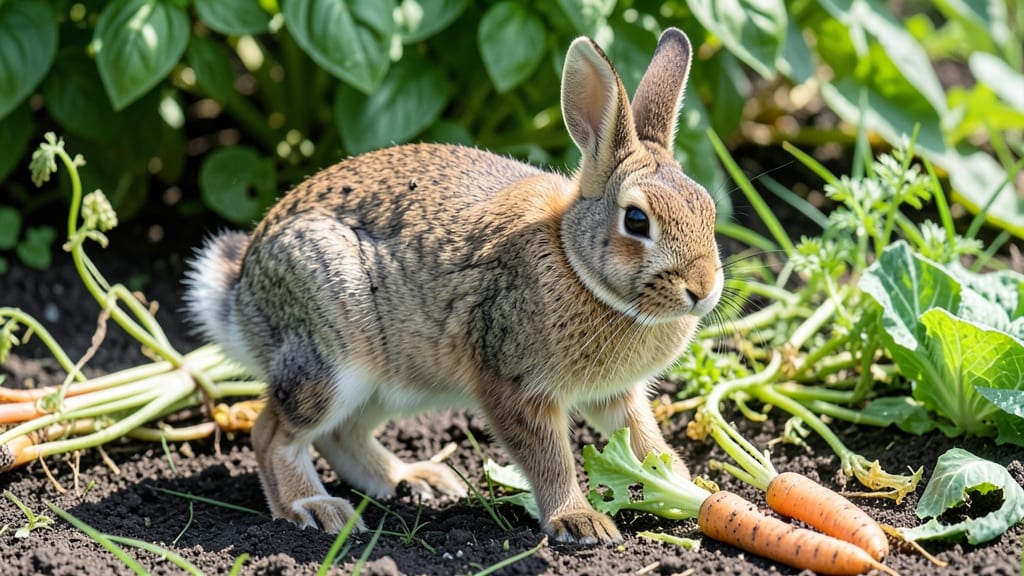
Learn how to keep rabbits out of vegetable garden the easy way—because these fluffy pests have ruined my lettuce and carrots, but these simple (and humane) tricks finally worked. The key is combining smart fencing with natural deterrents that make your garden less appealing than the wild meadow next door.
Most gardeners fail because they underestimate rabbit determination. A flimsy fence or scattered repellents won’t cut it—you need 6-foot-tall hardware cloth buried 12 inches deep to block their digging, plus motion-activated sprinklers that startle them away.
I’ve tested everything from commercial sprays to predator urine (it works, weirdly), and the most reliable combo is fencing plus strong-smelling plants like rosemary around the perimeter.
Within a week of setting up my first proper barrier, the rabbit damage stopped completely. The carrots stayed straight, the lettuce stayed crisp, and even my struggling kale finally made it to harvest.
The best part? These methods protect the rabbits too—no traps, no harm, just a polite "keep out" sign they actually understand.
Works for backyard plots, raised beds, and even container gardens—just scale the fencing to your space. Let’s get those veggies growing without the bunny buffet.
Why Rabbits Invade Gardens
Rabbits don’t just wander into your vegetable garden out of mischief—they’re driven by biological needs, environmental cues, and survival instincts. Understanding these triggers is the first step to outsmarting them. Below, we break down the key reasons why rabbits turn your lush greens into a buffet.
Rabbits are obligate herbivores, meaning their diet consists exclusively of plants. Their digestive systems are finely tuned to process fibrous vegetation, and their teeth never stop growing—grazing is essential to wear them down.
Your garden is a high-protein, nutrient-rich smorgasbord compared to dry grass or weeds. Young, tender plants like lettuce, carrots, and beans are especially appealing because:
- High moisture content – Rabbits need water to stay hydrated, and fresh veggies provide it.
- Soft texture – Easy to chew, reducing energy expenditure.
- Rich in nitrogen – Young leaves are packed with proteins and sugars, fueling their rapid growth.
💡 Pro Tip: Rabbits prefer plants at night or dawn when they’re cooler and less likely to be spotted by predators. This is why you might wake up to a garden stripped bare!
Rabbits are territorial animals, and your garden may unintentionally offer them:
- Cover from predators – Dense plantings, mulch piles, or brush provide hiding spots where they can rest undisturbed.
- Nesting material – Loose soil, dead leaves, or tall weeds near your garden can become ideal locations for warrens (rabbit burrows).
- Proximity to food sources – If your garden is near a wooded area, field, or even a neighbor’s yard with clover or dandelions, rabbits will treat it as an extension of their territory.
🔥 Key Insight: A single rabbit can mark a territory up to 5 acres, so if your garden is accessible, they’ll claim it as part of their range.
Rabbits aren’t year-round pests—their garden raids often spike during:
| Season | Why It Attracts Rabbits |
|---|---|
| Spring | New plant growth is bursting with nutrients, and rabbits are emerging from winter hibernation or dormancy. |
| Fall | Rabbits double their food intake to build fat reserves for winter. Your garden’s harvest becomes a critical resource. |
| Drought or Frost | When natural forage dries up or freezes, rabbits seek out the juiciest, most accessible greens—often in gardens. |
🌡️ Temperature Matters: Rabbits are most active at dawn and dusk (crepuscular behavior) and in cool weather (below 80°F). Hot, dry days force them to seek shade—and your garden’s irrigation might make it the coolest spot around!
Your well-meaning gardening habits might be unwittingly inviting rabbits. Common culprits include:
- Overwatering – Lush, watered plants signal easy hydration to thirsty rabbits.
- Mulch piles or compost heaps – These provide both food and shelter in one.
- Lack of natural barriers – Fences, hedges, or even dense shrubs can deter rabbits if they perceive your garden as high-risk.
- Planting rabbit favorites – Crops like lettuce, kale, and peas are top choices because they’re nutrient-dense and easy to digest.
✨ Design Fix: If your garden is open and exposed, rabbits see it as a low-risk feeding zone. Adding thorny plants (like roses or barberry) or rock borders can create a psychological barrier.
Now that you know why rabbits target your garden, the next step is how to stop them—without harming these clever (if pesky) creatures. Stay tuned for humane solutions that actually work!
Practical Ways to Deter Rabbits
Rabbits may be adorable, but their love for fresh veggies can turn your garden into a salad bar overnight. 🥬🐰 The good news? With the right strategies, you can protect your hard work without harming these furry foragers.
Below are targeted solutions for common rabbit garden invasions, along with preventive tips to keep them out for good.
Rabbits are excellent jumpers (up to 3 feet!) and diggers, so your barrier needs to be tall, sturdy, and buried deep. Here’s how to do it right:
🔨 Install a Sturdy Fence
- Height: At least 3 feet tall (or 4 feet if rabbits are persistent).
- Material: Use hardware cloth (not chicken wire—rabbits chew through it!) or plastic-coated wire mesh with 1-inch gaps to block entry.
- Burial: Dig the fence 12 inches deep or use an L-shaped bend to prevent digging underneath.
- Pro Tip: 💡 Angle the top outward (like a "V") to discourage climbing.
🌿 Temporary Protective Covers
For young plants or seedlings, use:
- Floating row covers (lightweight fabric that lets sunlight and water through).
- Wire mesh hoops (like mini greenhouses) to shield vulnerable crops.
- Burlap sacks (weighted down) for short-term protection.
Rabbits have sensitive noses—strong scents can make your garden unappealing. Try these humane, chemical-free options:
🧴 Spray-on Repellents
Mix these in a spray bottle and reapply after rain: - Garlic & Hot Pepper Spray: Blend 10 garlic cloves + 2 tbsp cayenne pepper + 1 quart water.
Let steep overnight, then strain and spray. - Predator Urine (Commercial or DIY): Fox or coyote urine (available at garden stores) mimics natural threats. DIY alternative: Soak a cloth in rotten eggs or fish emulsion and place near the garden edge. - Essential Oil Blend: Combine peppermint, clove, or eucalyptus oil (10 drops per cup of water).
Spray around the perimeter.
🌿 Plant-Based Deterrents
Interplant rabbit-unfriendly herbs around your veggies:
- Lavender, rosemary, thyme, or mint (strong scents rabbits avoid).
- Allium family plants (onions, garlic, chives)—rabbits despise their smell.
If rabbits are already nesting in your garden, humane traps are the most ethical solution.
🐇 How to Trap & Release
- Choose a live trap (like a Havahart trap) with a locking door.
- Bait with fresh veggies (lettuce, carrots, or herbs).
- Check traps frequently (every few hours) and relocate rabbits at least 2 miles away (check local laws first!).
- Release in a brushy, wooded area with water and shade.
⚠️ Warning: Only trap if you’ve exhausted other methods—rabbits reproduce quickly!
Rabbits are crepuscular (most active at dawn/dusk), so evening patrols can help.
🌙 Motion-Activated Deterrents
- Motion-activated sprinklers (like ScareCrow) startle rabbits with a sudden spray.
- Reflective tape or old CDs hung near the garden create flashing lights that confuse them.
🍂 Seasonal Adjustments
- Winter: Rabbits seek food more desperately—increase fencing checks and add extra repellent sprays.
- Spring/Summer: Remove hiding spots (tall grass, brush piles) near your garden.
- 🌱 Rotate repellents every few weeks—rabbits get used to smells!
- 🐇 Keep grass short around the garden edge (rabbits hide in tall grass).
- 🌿 Plant sacrificial crops (like lettuce) away from your main garden to lure them away.
- 🕵️ Monitor at dusk—spot rabbits early to adjust barriers before damage occurs.
By combining physical barriers, natural repellents, and smart timing, you can effectively protect your vegetable garden without harming these cute but destructive visitors. 🥕🚫🐰 Start with one or two methods, observe what works, and customize your approach for the best results!
Frequently asked questions
What’s the best fencing material to keep rabbits out?
Use hardware cloth (not chicken wire) with 1-inch mesh installed at least 3 feet tall. Bury it 12 inches deep or bend it outward at the bottom to block digging. For extra security, angle the top outward like a "V" to prevent climbing.
Will predator urine really work to scare rabbits?
Yes! Commercial fox or coyote urine (or DIY rotten egg/fish emulsion) mimics natural threats. Rabbits avoid areas where predators lurk. Reapply after rain or every 2 weeks—it loses effectiveness over time.
Can I use motion-activated sprinklers safely?
Devices like ScareCrow spray a 10-foot radius when motion is detected, startling rabbits without harm. Just ensure it’s positioned 2-3 feet from plants to avoid wetting leaves. Works best at dawn/dusk when rabbits are most active.
Are there plants that naturally repel rabbits?
Yes—interplant rosemary, lavender, or thyme around your veggies. Rabbits dislike their strong scents. Other options: marigolds, sage, or alliums (garlic/onions). These act as a natural perimeter defense.
How do I know if rabbits are nesting in my garden?
Look for tunnels or burrows near dense plantings or mulch piles. Fresh droppings (pea-sized) and chewed plants at ground level are red flags. If you find a nest, relocate rabbits humanely before installing barriers.