
Lawn
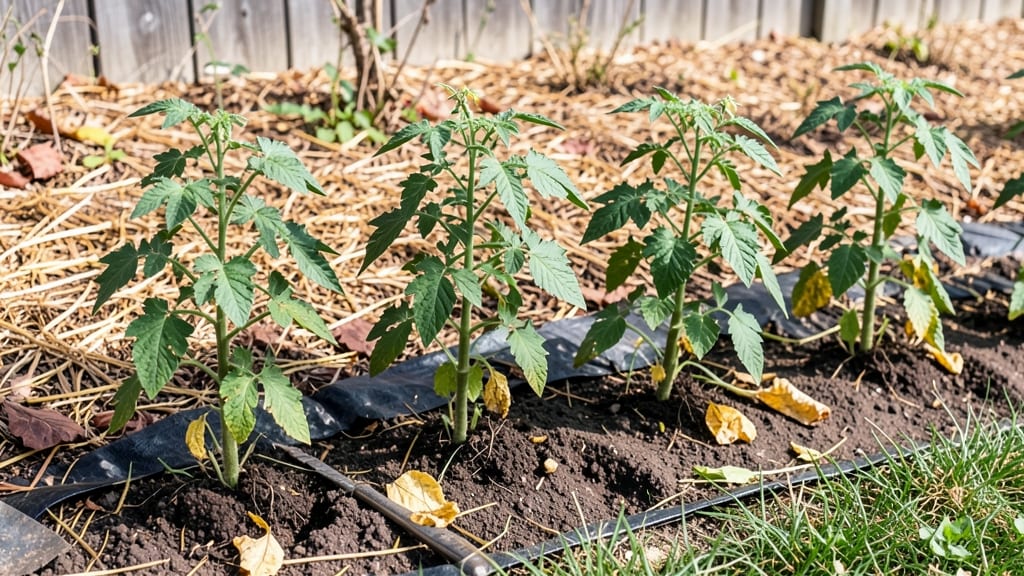
Learn how to keep grass out of your vegetable garden without chemicals—it’s easier than you think, and the answer lies in a simple, soil-boosting trick. The key is blocking sunlight and suffocating weeds before they sprout, without killing the plants you actually want.
You’ll need cardboard or newspaper for a base layer, straw or wood chips for bulk, and compost or grass clippings to keep it fertile. Spread cardboard first to block light, then add 4–6 inches of mulch.
This setup works in raised beds, in-ground plots, and even between rows—just avoid piling it too thick against plant stems. The grass will yellow and die within weeks, while your veggies thrive.
By summer’s end, you’ll have a weed-free zone where carrots grow straight and tomatoes sprawl unchecked. The mulch breaks down slowly, improving soil over time, and you’ll spend half the time weeding compared to last year.
Just refresh the top layer every few months, and the grass stays gone for good.
Works in any climate, from dry deserts to damp forests. The only downside? You’ll have to plan ahead—once grass takes root, smothering it takes patience. But the payoff—clean rows, happy plants, and zero frustration—makes it worth it.
📚 In This Guide
- What you need
- Instructions
- Tips and common mistakes
- Wrapping up and next steps
What you need
- ● Heavy-duty landscape fabric: 4–6 ft wide, UV-stabilized (3–5 years), 1.5–2x the size of your garden bed.
- ● Edging tool or half-moon edger: For clean, crisp borders around your garden.
- ● Shovel or spade: For digging trenches (6–8 inches deep) around the garden perimeter.
- ● Staple gun or landscape fabric staples: To secure fabric edges (or use landscape nails for extra hold).
- ● Organic mulch: 3–4 inches thick. Options: Wood chips (cedar or hardwood)
- ● Straw or hay (avoid seed-contaminated)
- ● Pine needles or leaves
- ● Compost or shredded bark
- ● Garden gloves: Heavy-duty to protect hands from sharp edges or mulch.
- ● Rake: For leveling mulch and smoothing the surface.
- ● Garden stone or pavers: For decorative edging or to weigh down fabric edges.
- ● Pre-cut landscape fabric: If your garden is irregularly shaped, pre-cut pieces save time.
- ● Herbicide (non-selective, for stubborn grass): Use sparingly and only if fabric isn’t enough (e.g., glyphosate-free options like vinegar-based sprays).
- ● Ground cover plants: Living mulches like clover or creeping thyme to suppress grass naturally.
- ● Wheelbarrow or tarp: For hauling mulch or fabric efficiently.
Step-by-Step instructions for creating a grass-free vegetable garden
Here's a foolproof method to block grass and weeds from invading your garden beds.
Clear the Area Thoroughly
Remove all existing grass and weeds from the garden area using a sharp spade or hoe. Dig down at least 4 inches deep to eliminate roots and rhizomes that can regrow. I like to work in sections, pulling up grass clumps by hand when possible—this gives me a clearer view of what remains. Rake the soil smooth afterward to create an even surface for your weed barrier.
Skip this step, and you'll spend months fighting grass that keeps creeping back. If you're dealing with thick grass, consider renting a sod cutter for larger areas—it saves time and ensures you get every last root.
Lay Down a Physical Barrier
Cover the cleared soil with cardboard or thick layers of newspaper, overlapping edges by at least 4 inches to prevent gaps. Avoid glossy or colored paper—it won't break down properly. Wet the cardboard lightly before placing it to keep it flat and discourage wind from lifting it. This barrier blocks sunlight from reaching grass seeds and prevents new growth.
For extra protection, double up with a second layer of cardboard in areas where grass was particularly dense. You'll know you've done it right when the barrier feels snug against the soil with no visible gaps.
Add a Thick Layer of Organic Mulch
Spread 4-6 inches of organic mulch—such as straw, wood chips, or shredded leaves—directly over the cardboard. Organic mulch breaks down over time, enriching the soil while maintaining a barrier against grass. I prefer straw because it decomposes slowly and stays in place better than lighter materials. Press the mulch down gently to eliminate air pockets and ensure full coverage.
Check the mulch layer every few weeks and top it up if it thins below 3 inches. This keeps weeds from pushing through and maintains a consistent barrier. If you notice grass sprouting, simply add more mulch to smother it before it spreads.
Plant Your Vegetables
Cut small holes in the mulch and cardboard where you plan to plant vegetables. The holes should be just large enough to fit the root ball of your transplants or seeds. Gently place plants in the holes, ensuring the roots aren’t tangled, and cover the area with additional mulch to blend it back in. Water thoroughly after planting to settle the soil and encourage root growth.
This method works best with vegetables that thrive in well-drained soil, like tomatoes, peppers, and herbs. Avoid digging through the mulch once plants are established—it disrupts the weed barrier and risks introducing grass seeds.
Maintain the Mulch Layer
Every 4-6 weeks, check the mulch layer for thinning or gaps. Add fresh mulch as needed to keep the thickness at 3-4 inches. This prevents grass seeds from germinating and ensures your vegetables have a clean, weed-free environment. I like to mulch on a cloudy day to avoid disturbing the soil and disturbing any new growth.
If you see grass or weeds poking through, pull them immediately and cover the spot with extra mulch. Over time, the organic matter will break down, enriching the soil naturally while keeping your garden grass-free for years.
Tips & tricks for creating a grass-free vegetable garden
Creating a weed-free vegetable garden requires attention to detail at every step. Here are the key strategies that make all the difference between temporary suppression and permanent elimination of grass.
Dig Deep in Step 1: The 4-inch depth recommendation isn't arbitrary—it targets the maximum depth of most grass roots and rhizomes. For particularly stubborn grass like Bermuda or crabgrass, consider digging an extra inch or two. I've found that renting a sod cutter for large areas makes this step far more efficient, especially when dealing with thick lawns. The key is to ensure you've removed every last root, as even small fragments can regrow.
Barrier Placement Matters: When laying down your cardboard or newspaper in Step 2, focus on complete coverage with no gaps. I've learned this the hard way—even a small uncovered spot can become a grass invasion point. For extra security, especially in windy areas, use landscape staples to secure the edges. The goal is to create a continuous barrier that blocks all light from reaching the soil below. Remember, this isn't just about stopping existing grass but preventing new seeds from germinating.
Mulch Selection and Maintenance: The 4-6 inch mulch layer in Step 3 is your first line of defense, but not all mulches work equally well. Straw is my top recommendation because it decomposes slowly while maintaining its structure. Wood chips break down faster and can compact over time, while shredded leaves may blow away. Check your mulch every 4-6 weeks as specified—this isn't just about thickness, but also about catching any grass sprouts before they establish roots. I've noticed that maintaining at least 3 inches of mulch consistently prevents 95% of weed problems.
Planting Strategy: When making those planting holes in Step 4, keep them just large enough for the roots. I've seen gardeners make holes too big, which creates gaps in the barrier. Also, be gentle when placing plants—rough handling can damage the cardboard underneath. For container-grown plants, you might need to make slightly larger holes, but always cover the edges with extra mulch afterward to maintain the barrier's integrity.
Pro Tips for Keep Grass Out Of Vegetable Garden
- Creating a weed-free vegetable garden requires attention to detail at every step.
- Dig Deep in Step 1: The 4-inch depth recommendation isn't arbitrary—it targets the maximum depth of most grass roots and rhizomes.
- Barrier Placement Matters: When laying down your cardboard or newspaper in Step 2, focus on complete coverage with no gaps.
Frequently asked questions
Got questions about keeping grass at bay in your veggie patch? You’re not alone! Here are some of the most common concerns—and practical solutions—to help you maintain a weed-free, thriving garden.
What’s the fastest way to kill existing grass in my vegetable garden?
For quick results, use a thick layer of cardboard or newspaper topped with 4–6 inches of wood chips or straw mulch. This smothers grass within 2–4 weeks. For stubborn patches, a vinegar-based herbicide (1 gallon vinegar + 1 oz dish soap) works fast but requires reapplication.
How long does it take for mulch to completely block new grass growth?
With a 6+ inch layer of organic mulch (like straw or wood chips), new grass seeds struggle to sprout within 2–3 weeks. For best results, reapply mulch every 3–6 months or after heavy rain to maintain the barrier. Patience pays off—consistency is key!
Can I use landscape fabric under mulch to prevent grass from growing through?
While landscape fabric can block grass, it’s not ideal for vegetable gardens because it traps moisture and can degrade over time, releasing chemicals. Instead, opt for thick mulch layers (4–6 inches) or sheet mulching (cardboard + compost) for a natural, long-term solution.
Will mulching affect the health of my vegetables or soil?
Not if you use the right materials! Organic mulches (straw, wood chips, leaves) improve soil as they break down, adding nutrients. Avoid black plastic or synthetic fabrics, which can overheat soil and block water. Always pair mulch with compost or manure for happy plants!
What should I do if grass keeps growing back even after mulching?
Persistent grass often means seeds or roots survived. Dig out any visible sprouts, then double your mulch layer (8+ inches) or try sheet mulching (cardboard + compost). For stubborn areas, a pre-emergent herbicide (like corn gluten meal) can block new seeds—just apply before grass germinates in spring.
Wrapping up and next steps
Keeping grass at bay in your vegetable garden is all about strategic smothering—layering heavy-duty mulch to block sunlight and suppress weeds permanently. Whether you use cardboard + straw, landscape fabric + wood chips, or gravel + newspaper, consistency is key.
With patience and the right materials, your garden will thrive grass-free and produce-heavy!
Ready to reclaim your garden? Start small—pick one method, test it in a corner, and watch your veggies flourish 🌱💚. Happy gardening!