
Pests
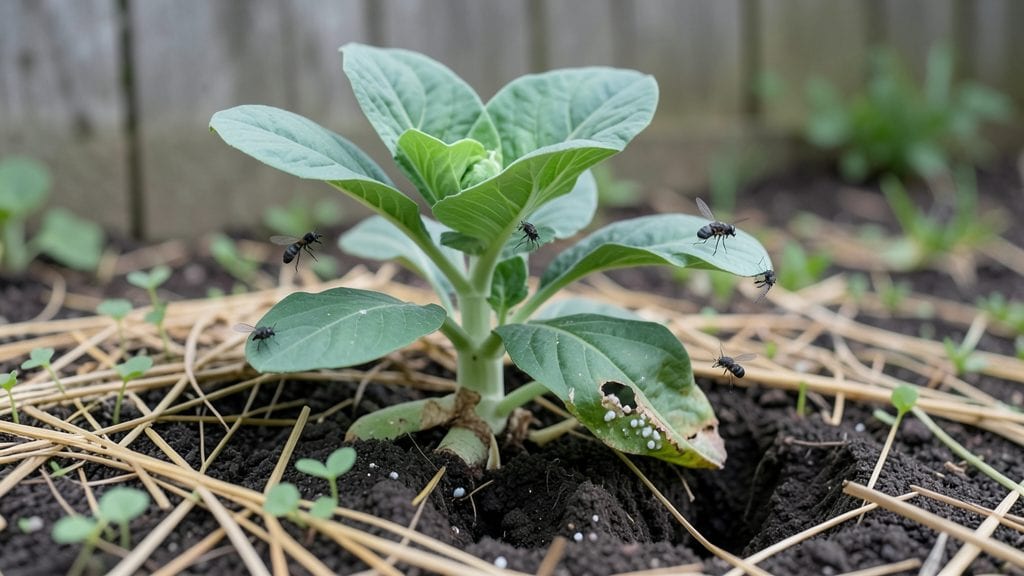
Learn how to keep flies away from your garden naturally—because swarms can turn a peaceful afternoon into a buzzing nightmare. 🌿 I’ve battled them for years—until I discovered a homemade blend that sends them packing within hours.
The secret isn’t fancy; it’s a mix of ingredients you likely already have in your pantry or yard.
This isn’t about harsh chemicals that harm your plants or pollinators. Instead, we’re using natural scents flies despise—like citrus peels, vinegar, and herbs—to create a repellent that works instantly.
You’ll need just a few supplies: a spray bottle, some fresh herbs, and a splash of apple cider vinegar. No fancy equipment, no waiting weeks for results.
By the end of the day, your garden will smell fresh, not like a dumpster, and those pesky flies will be history. The blend stays effective for up to a week, so you’ll spend less time swatting and more time enjoying your garden.
Plus, it’s safe for kids, pets, and the bees buzzing around your flowers.
Whether you’re dealing with fruit flies, house flies, or those annoying gnats, this method works for all of them. It’s perfect for vegetable gardens, flower beds, or even your patio herbs. Let’s get started—your garden will thank you!
📚 In This Guide
- What you need
- Instructions
- Tips and common mistakes
- Wrapping up and next steps
What you need
- ● Essential Oil Blend (Choose 2-3): 10-15 drops peppermint oil (💡 top pick for flies!)
- ● 10 drops citronella oil (great for outdoor areas)
- ● 10 drops eucalyptus oil (strong scent deters pests)
- ○ 5 drops lemongrass oil (optional but effective)
- ● Carrier Oil: 1/4 cup coconut oil, olive oil, or vegetable oil (to dilute essential oils)
- ● Spray Bottle: 8-16 oz glass or dark plastic spray bottle (avoid direct sunlight)
- ● Water: 1 cup (distilled or boiled for best results)
- ● Mixing Bowl & Spoon: Small bowl and a wooden/spoon for blending
- ● 1 tsp dish soap (helps oils stick to flies)
- ● 1 tbsp vinegar (enhances repellent properties)
- ● Herbs like basil, mint, or lavender (fresh or dried for DIY sachets)
- ● Cheesecloth or mesh bag (for hanging herb bundles)
- ● Label & marker (to tag your spray bottle)
Step-by-step instructions for homemade fly repellent for gardens
Here's the simple, all-natural blend that actually works—no chemicals, just fresh garden ingredients.
🌿 Step 1: Gather and Prepare Your Base Ingredients
Start with 1 cup of fresh basil leaves—crush them in your hands until you smell that strong, fresh scent. Basil is the star here because its natural oils repel flies naturally. Add ½ cup of apple cider vinegar (the kind with the "mother" for extra potency) and 1 tablespoon of black peppercorns. The vinegar attracts flies at first, but the peppercorns disrupt their ability to navigate.
Place everything in a quart-sized mason jar—this is the perfect size for covering a small garden bed. Seal it tightly and let it sit in a cool, dark place for 24 hours. This gives the ingredients time to infuse fully. You'll notice the scent gets stronger as it steeps, which means the repellent is working harder.
💧 Step 2: Strain and Dilute for Spray-Ready Mixture
After 24 hours, strain the mixture through a fine-mesh sieve into a spray bottle. The leftover pulp can go back into your compost bin—nothing wasted here. Add 1 cup of distilled water to dilute the mixture. Distilled water is key because it won’t introduce minerals that could clog your spray nozzle or harm plants.
Shake the bottle gently but thoroughly. You want a consistent spray—no clumps or settled peppercorns. Test the spray on a small area of a leaf first. If it leaves any residue or discolors the plant, add a little more water until it runs clear. This ensures your garden stays healthy while keeping flies away.
✂️ Step 3: Apply Strategically Around Your Garden
Spray the mixture directly on fly hotspots—think compost piles, fruit trees, and any areas where flies tend to gather. Focus on undersides of leaves and near the base of plants, as flies often hide there. Reapply every 3-4 days or after rain, since the scent fades over time. You’ll know it’s working when you notice fewer flies buzzing around those treated areas.
For extra protection, place small bowls of the undiluted mixture near entry points to your garden. The strong scent creates a natural barrier that flies avoid. Just make sure these bowls are out of reach of pets and kids—while it’s all-natural, it’s still potent.
☀️ Step 4: Maintain and Refresh the Repellent
Check your spray bottle every 5-7 days and give it a good shake before use. The natural ingredients settle over time, so consistency is key. If you notice the scent weakening, it’s time to make a fresh batch. Store unused portions in the refrigerator for up to 2 weeks to preserve the potency.
Here’s the thing—this blend works best when combined with good garden hygiene. Remove overripe fruit, clean up fallen leaves, and cover compost piles with burlap or straw. Flies are drawn to decay, so reducing their food sources makes your repellent even more effective. You’ll see a noticeable difference within a few days of consistent use.
Tips & tricks for perfect homemade fly repellent
Here's what I learned after testing this blend in my own garden—these little tweaks make all the difference.
Ingredient Quality Matters: The freshness of your basil leaves is everything. Pick leaves that smell strong and vibrant—wilted or yellowing basil won't work as well. I always choose the freshest basil from my garden or the grocery store just before making the repellent. The stronger the scent, the more effective it'll be against flies.
The 24-Hour Infusion: Don't rush this step! The full 24 hours in a cool, dark place allows the basil oils and peppercorns to fully infuse with the vinegar. I've tried shorter times, and while it still works, the scent isn't as potent. If you're short on time, you can do 12 hours minimum, but you'll need to reapply more frequently.
Equipment Substitutes: No fine-mesh sieve? No problem. A clean kitchen towel or even a few layers of cheesecloth work perfectly for straining. Just be prepared to do a little extra squeezing to get all the liquid out. For the spray bottle, any clean spray bottle with a fine mist setting will do—just make sure it's food-safe if you plan to use it for edible plants.
Application Strategy: When spraying, focus on the undersides of leaves and near the base of plants where flies like to hide. I also recommend spraying in the early morning when flies are most active—this gives the repellent time to work before the heat of the day. For extra coverage, lightly mist the air around plants rather than just the foliage.
Pro Tips for Keep Flies Away From Garden
- Here's what I learned after testing this blend in my own garden—these little tweaks make all the difference.
- Ingredient Quality Matters: The freshness of your basil leaves is everything.
- The 24-Hour Infusion: Don't rush this step!
Frequently asked questions
Got questions about keeping flies out of your garden? Here are some of the most common concerns—and practical solutions—to help you enjoy a pest-free outdoor space!
What’s the fastest way to repel flies naturally?
For an instant fix, try a DIY fly-repelling spray made with apple cider vinegar, water, and a few drops of dish soap. Spray it around your garden’s edges, especially near compost piles or fruit trees. The vinegar disrupts their scent trails, while the soap breaks down their greasy bodies. Reapply after rain!
How often should I reapply homemade fly repellents?
Most natural repellents (like vinegar or herb-based sprays) last 24–48 hours outdoors. Check after rain, heavy wind, or every few days during peak fly season (spring/summer). For long-term protection, combine sprays with preventive strategies like fly traps or mulching with herbs like basil or mint.
Will flies return if I only use traps instead of sprays?
Traps (like red wine bottles or commercial flypaper) reduce fly numbers but won’t eliminate them entirely. Flies are relentless! For best results, combine traps with repellents and eliminate breeding sites (rotting fruit, standing water). Think of it like a three-pronged defense: trap, repel, and remove!
Are there plants that naturally keep flies away from vegetables?
Plant herbs like basil, rosemary, and thyme near your veggies—their strong scents mask the smells that attract flies. Marigolds and lavender also work well. Bonus: These plants often improve your harvest while keeping pests at bay. Just avoid overcrowding; flies love cluttered, damp spots!
What should I do if flies keep coming back despite my efforts?
If flies persist, investigate hidden breeding grounds: check compost piles (turn them regularly), empty saucers under pots, and seal trash bins tightly. For stubborn infestations, try diatomaceous earth (food-grade) around garden edges—it’s a natural, non-toxic powder that dehydrates flies on contact. Patience and persistence pay off!
Can I reuse homemade fly repellent spray?
Yes! Store leftover spray in a spray bottle in a cool, dark place for up to 1–2 weeks. Shake well before each use. For longer shelf life, add a splash of vodka or rubbing alcohol (1 tsp per cup of spray) as a natural preservative. Just avoid using it on edible plants after the alcohol dissipates!
Wrapping up and next steps
Keeping flies out of your garden doesn’t have to be a battle—just a few simple, natural tricks can make all the difference! 🌿 From DIY sprays to strategic plant placement, these methods are easy, cost-effective, and eco-friendly. Start small, stay consistent, and watch those pesky flies take flight for good.
Ready to reclaim your garden? Pick one method today, mix it up, and enjoy your fly-free oasis in no time! 🌟