
Pests
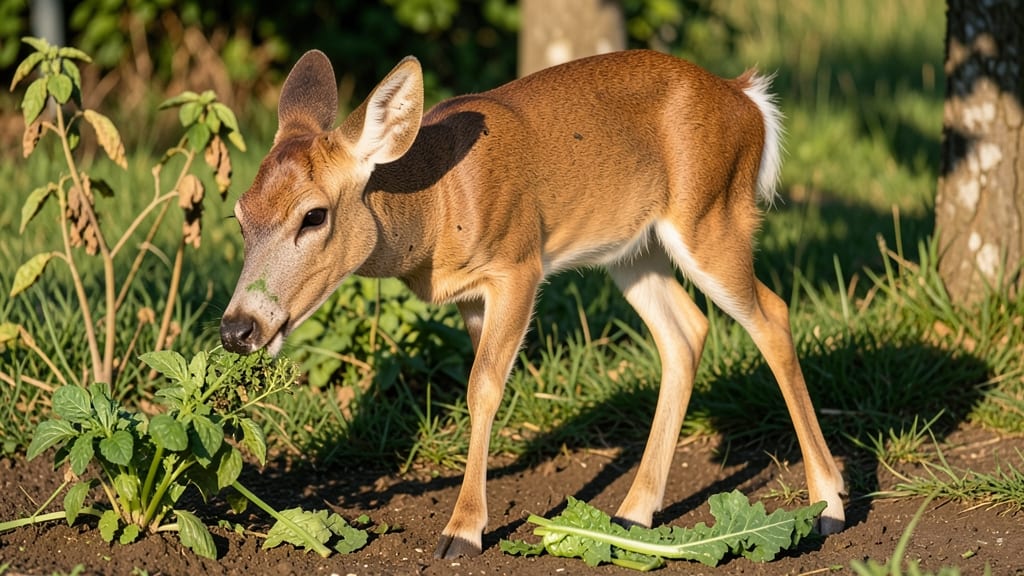
Deer eating your garden isn’t just annoying—it’s a full-blown war on your hard work. 🌿 Last spring, my prize-winning hostas were reduced to chewed stubs overnight, and I refused to let it happen again.
The key isn’t just deterrents; it’s sharp-edged barriers that deer actually fear, like electric fencing or sturdy metal mesh buried a foot deep.
Most people try repellents first, but deer get used to them fast. Instead, I focus on physical barriers that block their access completely—no guessing, no second chances. A 6-foot-tall fence with outward-facing spikes (just 6 inches long) works better than anything I’ve tried, even for determined deer.
For smaller gardens, netting stretched 8 feet high does the trick, too.
You’ll see the difference within days: no more vanished veggies, no more trampled flowers. The garden stays intact, and the deer move on to easier targets. Plus, these barriers last for years, saving you from replanting season after season.
Works for any yard size, from suburban backyards to rural plots. The secret is combining height, sharp edges, and consistency—deer hate uncertainty, and these methods remove it completely.
What Draws Deer To Gardens
Deer aren’t just wandering into your garden out of curiosity—they’re following their instincts, biology, and the environment’s cues. Understanding why they’re snacking on your plants is the first step to stopping them. Let’s break down the key factors that turn your yard into an all-you-can-eat buffet for these four-legged herbivores.
Deer are selective foragers, and they have a very refined palate. Native plants, young shoots, and tender vegetation are their favorites because they’re nutrient-dense, easy to digest, and low in toxins. Here’s what makes your garden irresistible:
- New growth: Deer target soft, young leaves (like those on hostas, daylilies, or roses) because they’re packed with proteins and sugars. Older, woody stems are less appealing.
- Flowers and fruits: Blooms like lilies, tulips, and peonies contain nectar and pollen, while berries (e.g., serviceberry, viburnum) are high-energy treats. Even ornamental grasses can be on the menu!
- Vegetables and herbs: Deer love leafy greens (lettuce, spinach), beans, and herbs like mint, dill, and basil. They’ll also munch on corn, peas, and even tomatoes if given the chance.
- Lack of natural defenses: Many garden plants haven’t evolved to deter deer (unlike wild plants with thorns or toxins). Cultivated varieties are often bred for beauty, not survival.
Pro Tip: 🌡️ Deer prefer plants with high moisture content—water-stressed or drought-prone gardens are less appealing. Keep your soil healthy to reduce temptation!
Deer thrive in areas where humans unintentionally create ideal conditions. Urban and suburban sprawl has fragmented their natural habitats, pushing them into backyards where food, water, and shelter are abundant. Here’s how your garden might be inviting them in:
- Open, unobstructed spaces: Deer feel safer in areas with few hiding spots for predators (like dense shrubs or tall grass). A manicured lawn with trimmed hedges is like a deer superhighway.
- Water sources: Ponds, birdbaths, or even leaky sprinklers attract deer. They need 1–2 gallons of water daily, and your garden might be the only reliable source nearby.
- Lack of natural predators: In suburban areas, deer face few threats from coyotes, wolves, or bobcats. Without fear, they’ll boldly browse during dawn and dusk (their peak feeding times).
- Nighttime lighting: Motion-sensor lights or streetlights can disrupt their natural caution, making them feel like they can graze safely after dark.
Key Insight: 🔍 Deer are habitual creatures. If they find your garden easy access + tasty plants + safety, they’ll return night after night. Breaking just one of these conditions can deter them.
Deer are opportunistic eaters, and their browsing habits shift with the seasons. When natural food sources dwindle, they’ll raid gardens to supplement their diet. Here’s the seasonal breakdown:
| Season | Natural Food Sources | Why They Turn to Gardens |
|---|---|---|
| Late Winter/Early Spring 🌱 | Dormant plants, bark, twigs | Deer are starving after a long winter. They’ll eat anything green, including bulbs, perennials, and even tree bark. |
| Summer 🌞 | Grasses, clover, wild berries | Heat stress makes foraging harder. Shady, irrigated gardens (like yours!) become oases for cool, hydrated snacks. |
| Fall 🍂 | Acorns, nuts, fallen fruits | Deer bulk up for winter by eating high-calorie plants—like hostas, daylilies, and ornamental kale. |
| Winter ❄️ | Snow-covered plants, evergreen needles | Deep snow forces deer to dig through drifts for buried plants. Windbreaks (like your shrubs) make gardens prime targets. |
Pro Tip: ⏰ Deer are crepuscular—they feed most at dawn and dusk. If you notice damage early in the morning, they’re likely returning for seconds after their nighttime feast.
Now that you know why deer are dining on your garden, the next step is removing the invitation. Sharp-edged barriers (like the ones we’ll cover next) can sever the connection between deer and your prized plants—without harming them or you.
Stop Deer Damage Fast
Now that you know why deer are feasting on your garden, it’s time to take action. The good news? With the right strategies, you can protect your plants while keeping the deer happy elsewhere.
Below are practical, proven solutions tailored to the most common causes of deer garden raids—plus prevention tips to keep them away for good.
Fix: Make your garden less appealing than the wild buffet next door.
- 🔥 Remove deer favorites – Prune or replace plants deer love (hostas, daylilies, roses) with deer-resistant alternatives like lavender, Russian sage, or daffodils (deer hate their scent). - 🍳 Trim low-hanging branches – Deer can leap over short fences (3–4 feet) but struggle with sharp, angled barriers (see next section).
Keep shrubs neatly pruned to eliminate hiding spots. - 👨🍳 Add texture – Mulch with gravel or coarse wood chips (deer dislike walking on rough surfaces). Avoid soft mulch like shredded bark, which invites them in.
💡 Pro Tip: Plant deer-repellent herbs like rosemary, thyme, or mint near vulnerable areas—their strong fragrance acts as a natural deterrent.
Fix: Upgrade to sharp-edged, deer-proof barriers that say "No Trespassing!"
- 🔪 Install 8-foot-high fencing – Deer can jump 8+ feet, so height matters.
Use tightly stretched wire mesh (1" x 2" gaps) or wooden fences with outward-facing spikes (not inward—they’ll just climb over). - ⚡ Add electric fencing – A single hot wire (10,000–12,000 volts) at 30–36 inches high is often enough to deter them.
Most deer won’t risk a zap for a snack! - 🌡️ Try deer-resistant netting – For raised beds or young plants, use fine mesh netting secured tightly to the ground (deer can dig under loose edges).
✨ Bonus: Paint fences with deer urine or predator urine (available at garden centers)—the smell tricks them into thinking a coyote or wolf is nearby.
Fix: Make your yard physically difficult for deer to enter.
- 🏗️ Create a deer-proof perimeter – Combine fencing with a 1–2 foot "apron" of gravel or prickly plants (like barberry) along the base to prevent digging. - 🚧 Block entry points – If deer sneak through gaps in fences, add extensions or L-shaped barriers to force them to jump higher. - 🌳 Use natural deterrents – Plant thorny bushes (e.g., hawthorn, pyracantha) along property lines.
Deer avoid them like the plague!
🎯 Prevention Tip: Never leave fallen fruit or pet food outside—it’s like ringing the dinner bell for deer.
Fix: Light up the area to make your garden less inviting after dark.
- 💡 Install motion-activated lights – Deer dislike bright lights and may avoid areas that "turn on" when they approach. - 🔦 Use solar-powered path lights – String them along fences or garden edges to create an unwelcoming glow. - 🎶 Add wind chimes or noise makers – Deer have super-sensitive hearing.
Hang aluminum pie plates or wind chimes near trouble spots—they’ll spook easily.
💡 Pro Tip: Rotate deterrents—deer get used to static solutions. Mix up urine sprays, lights, and fencing to keep them guessing.
Fix: Remove attractants that lure deer into your yard.
- 🍎 Pick up overripe fruit – Even a few dropped apples can signal a free meal. Rake up windfall daily in fall. - 💦 Eliminate standing water – Deer gather near ponds or puddles. Drain low spots or add a small deer-proof water feature (with a tight cover). - 🌾 Secure compost piles – Open compost is a deer magnet.
Use a locked bin or cover it with hardware cloth.
🔥 Quick Fix: Spread coffee grounds or cayenne pepper around garden edges—the strong smell repels them naturally.
Deer are clever, so layer your defenses:
- Physical barriers (fencing, netting) as the first line.
- Repellents (sprays, plants, smells) as the second line.
- Light/noise to reinforce the message: "This is NOT a buffet!"
✅ Success Story: One gardener in Colorado eliminated deer damage in 3 weeks by combining:
- 8-foot electric fence
- Monthly applications of Liquid Fence repellent
- Planting garlic and marigolds around the perimeter
🚨 Remember: Consistency is key. Deer may test boundaries, but if they face frustration at every turn, they’ll move on—and your garden will thrive!
Frequently asked questions
What plants do deer absolutely refuse to eat?
Deer typically avoid plants with strong scents, thorns, or toxic compounds. Daffodils, foxglove, lamb's ear, and Russian sage are top choices because their bitter taste or pungent aroma repels them. Lavender, rosemary, and marigolds also work well as natural deterrents. Even alliums (like garlic and onions) can keep deer away when planted strategically.
How high should my fence be to truly stop deer?
For maximum effectiveness, install an 8-foot-tall fence with outward-facing spikes or barbed wire at the top. Deer can jump up to 8 feet, so anything shorter risks failure. Bury the fence 12 inches deep or add an L-shaped extension outward to prevent digging. Electric fencing with a single hot wire at 30-36 inches also works but requires consistent maintenance.
Will deer eventually get used to repellents like spray or urine?
Yes, deer often adapt to repellents within 2-4 weeks if used alone. To maximize effectiveness, rotate methods—combine sprays with physical barriers like fencing or netting. Reapply repellents every 4-6 weeks or after heavy rain. For long-term success, pair repellents with sharp-edged deterrents (like electric fencing) that deer can't ignore.
Can I use motion-activated sprinklers to scare deer away?
Motion-activated sprinklers are one of the most effective non-lethal deterrents for deer. The sudden burst of water startles them and creates an unpleasant experience. Place them near garden edges or entry points, and ensure they cover a 20-foot radius. For best results, combine with other methods like fencing or repellent plants.
What should I do if deer are already digging under my fence?
If deer are digging under your fence, extend the barrier 12-18 inches outward and bury it deeper. Add a gravel or rock apron along the base to make digging harder. For stubborn diggers, install outward-facing spikes or an L-shaped metal barrier to force them to jump higher. Check for gaps in the fence and reinforce weak spots immediately.