
Companion Plants
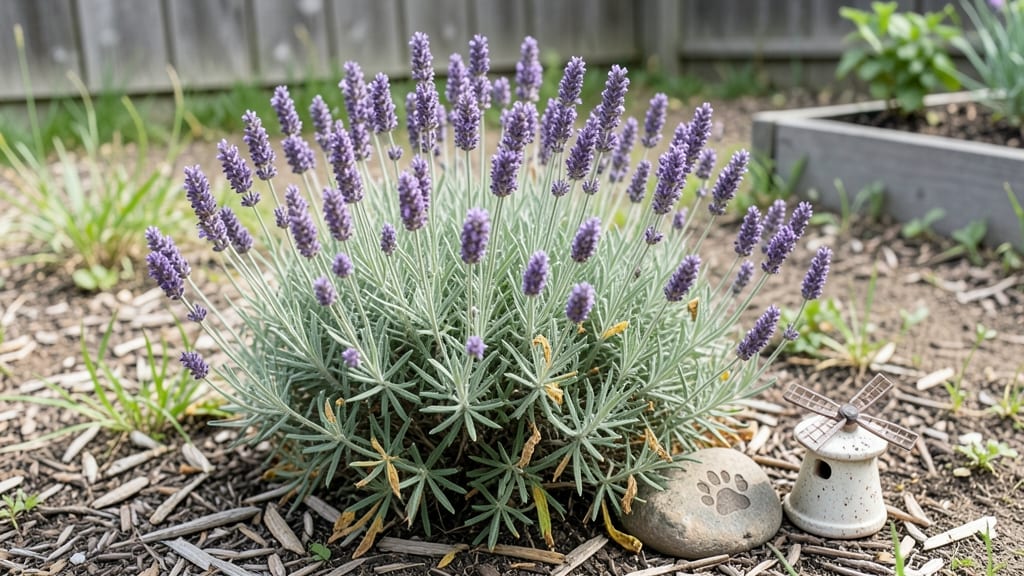
Creating a pet memorial garden with plants that whisper love and loyalty is one of the most meaningful ways to keep their memory alive. 🌿 I’ve designed my own little sanctuary where every bloom feels like a hug from my old golden retriever, Sunny—roses for devotion, sunflowers for joy, and lavender for calm.
The right plants turn a patch of earth into a living tribute that grows more beautiful with each passing season.
Start with everlasting flowers like immortelles, whose papery blooms last through the years, just like the love you share. Add fragrant herbs like rosemary or thyme—their scent lingers in the air, carrying memories with every breeze.
For a touch of color that never fades, sunflowers stand tall and proud, their golden faces turning toward the sun just like your pet’s loyal gaze. These plants thrive with minimal fuss, so they’ll keep growing long after you’ve planted them.
Imagine stepping into a space where the velvety petals of peonies feel like a soft nuzzle, or the tall stalks of delphiniums sway like a wagging tail in the wind. You’ll create a quiet corner where visitors can sit, remember, and feel connected to the one you lost.
Each plant tells a story—of loyalty, of comfort, of the unspoken bond between you and your pet.
This garden isn’t just about beauty; it’s about peace. Choose plants that thrive in your climate, so they become a permanent part of your landscape. Whether it’s a small windowsill herb garden or a full backyard retreat, the right blooms will turn grief into something tender and lasting.
Let’s make it special together.
📚 In This Guide
- What you need
- Instructions
- Tips and common mistakes
- Wrapping up and next steps
What you need
- ● Pet memorial plants: 5–10 symbolic blooms (e.g., sunflowers, lavender, roses, or butterfly weed). Choose perennials for lasting beauty.
- ● Soil amendments: 1–2 bags of organic compost (e.g., Miracle-Gro Garden Soil) to enrich the soil.
- ● Mulch: 1–2 cubic yards of pine bark or shredded leaves to retain moisture and suppress weeds.
- ● Garden tools: 1 trowel or hand shovel
- ● 1 pruning shears
- ● 1 wheelbarrow (for hauling soil/mulch)
- ● 1 watering can or hose with a gentle spray nozzle
- ○ Decorative elements (optional): 1–2 pet memorial markers (e.g., engraved stones or plaques)
- ● Solar-powered garden lights (3–5 for evening ambiance)
- ● Wind chimes or a small bird feeder (to invite wildlife)
- ● Location: A sunny or partially shaded spot (6+ hours of sunlight for most flowers). Ensure it’s accessible for maintenance.
- ● Space: At least 4’x4’ for a small memorial, scalable to your garden size.
- ● Water source: Proximity to a hose or irrigation system for regular (but not over-) watering.
- ● Time commitment: 2–4 hours for initial setup, plus 10–15 minutes weekly for upkeep.
Step-by-Step guide for designing a pet memorial garden
A peaceful garden becomes a living tribute when planted with intention. Here’s how to create a space that honors your pet’s memory through meaningful plants.
🌱 Step 1: Choose Plants with Symbolic Meaning
Select flowers and plants that reflect your pet’s personality or spirit. For example, roses symbolize love and remembrance, while sunflowers represent loyalty and devotion. I always include lavender—its calming scent and purple hue evoke serenity, perfect for a peaceful memorial. Consider adding marigolds, which attract butterflies and symbolize gratitude.
If your pet had a favorite color, incorporate plants in those shades. For instance, red geraniums or blue delphiniums can add vibrant touches while keeping the garden’s emotional resonance. Research pet-safe plants to ensure no toxic varieties are included—some bulbs like tulips can be harmful if ingested.
🪴 Step 2: Select a Quiet, Sunlit Location
Choose a spot that feels natural for reflection, ideally with 4-6 hours of sunlight daily. A corner near a window, a shaded patio, or a small plot in the yard all work well. Avoid high-traffic areas where the garden might get disturbed. I like to place memorial gardens near sitting areas so visitors can pause and remember.
Prepare the soil by loosening it to a depth of 6-8 inches, removing rocks or debris, and mixing in 2-3 inches of compost to enrich it. This ensures roots establish quickly and plants thrive. If your soil drains poorly, add a layer of sand or perlite to improve aeration—this prevents waterlogging, which can stress plants.
☀️ Step 3: Plant with Intention and Care
Start by planting perennial flowers like coneflowers or black-eyed Susans, which return year after year. These hardy blooms symbolize enduring love and require minimal upkeep. For instant color, add annuals like petunias or snapdragons, which bloom quickly and add vibrancy. Space plants 12-18 inches apart to allow room for growth.
Include a small tree or shrub, like a dwarf cherry blossom or boxwood, as a lasting centerpiece. These provide structure and a sense of permanence. Water deeply after planting to settle the soil, and mulch with 2-3 inches of organic mulch to retain moisture and suppress weeds. This step ensures your garden stays lush and inviting.
✂️ Step 4: Add Personal Touches for Meaning
Incorporate elements that honor your pet’s life, such as a custom stone with their name, a small bench, or a wind chime for gentle sounds. I often add a small bird feeder—birds bring life and movement, symbolizing the joy your pet brought. If your pet was a dog, include grass or clover patches where visitors can sit and remember.
Consider adding a small plaque or engraved stone with your pet’s name, birthdate, and a short message. Place it where it’s visible but not intrusive. This personal touch makes the garden feel like a true sanctuary. Keep the space tidy but natural—over time, the garden will grow into a serene retreat.
💧 Step 5: Maintain with Love and Respect
Water plants deeply 1-2 times per week, adjusting for rain. Most memorial gardens thrive with moderate care, so focus on weeding and occasional pruning to keep blooms healthy. I like to visit my own memorial garden weekly to trim spent flowers and check for pests—it’s a quiet way to stay connected.
Seasonal care is key: in fall, add fresh mulch; in spring, fertilize lightly. Over time, the garden will evolve into a living tribute, its colors and scents shifting with the seasons. This ongoing care ensures your pet’s memory stays alive in every bloom and leaf.
Tips & tricks for creating a meaningful pet memorial garden
Transforming a garden into a lasting tribute requires thoughtful planning—and these tips will help you create a space that truly honors your pet’s memory.
Symbolic Plant Pairings: Roses and sunflowers are classic choices, but consider pairing them with lavender for its calming scent or marigolds to attract butterflies—both add layers of meaning. If your pet had a favorite color, incorporate red geraniums or blue delphiniums to reflect their personality while keeping the garden cohesive.
Location Matters: The 4-6 hours of sunlight mentioned in Step 2 is ideal for most memorial plants, but if your space gets less light, opt for shade-tolerant options like hostas or heucheras. These still carry symbolic meaning while thriving in lower light. Avoid high-traffic areas—this garden should be a quiet sanctuary, not a passing footnote.
Soil Secrets: When preparing that 6-8 inch deep soil bed in Step 2, test your drainage first. If water pools after 15 minutes, mix in sand or perlite—this prevents root rot and keeps plants healthy. A well-drained, compost-rich bed ensures your memorial blooms stay vibrant for years.
Personalization Tips: In Step 4, consider adding a small bird feeder near the centerpiece tree—birds create movement and symbolize freedom, mirroring the joy your pet brought. For dog owners, include a patch of clover where visitors can sit and remember. These thoughtful touches make the garden feel truly personal.
Pro Tips for Pet Memorial Garden Plants
- Transforming a garden into a lasting tribute requires thoughtful planning—and these tips will help you create a space that truly honors your pet’s memory.
- Symbolic Plant Pairings: Roses and sunflowers are classic choices, but consider pairing them with lavender for its calming scent or marigolds to attract butterflies—both add layers of meaning.
- Location Matters: The 4-6 hours of sunlight mentioned in Step 2 is ideal for most memorial plants, but if your space gets less light, opt for shade-tolerant options like hostas or heucheras.
Frequently asked questions
Creating a pet memorial garden is a meaningful way to honor your furry friend, but it’s natural to have questions along the way. Here are some common concerns—and their answers—to help you design a space that feels just right.
What are the best low-maintenance plants for a pet memorial garden?
Opt for hardy, drought-tolerant plants like lavender, rosemary, or sedum. These require minimal care and thrive in many climates. Succulents (e.g., hens-and-chicks) are also great—they symbolize resilience and need little water. Avoid high-maintenance flowers like orchids or ferns unless you’re prepared for regular upkeep.
How soon after my pet passes should I plant the memorial garden?
There’s no rush! Many people wait until they’re emotionally ready—whether that’s weeks, months, or even years later. If you’re unsure, start with a small planting (like a single tree or shrub) and expand over time. Some gardeners also choose to plant a "living memorial" gradually, adding elements as they feel ready.
Can I include my pet’s ashes or a paw print in the memorial garden?
Many pet owners bury a small amount of ashes in the soil beneath a memorial plant (check local regulations first). For paw prints, use a mix of plaster or pet-safe cement to create a lasting imprint near the garden. Some opt for engraved stones or custom markers with their pet’s name and paw print silhouette.
What if I don’t have a green thumb? Are there alternatives to live plants?
No gardening skills? No problem! Consider drought-resistant ground covers (like creeping thyme) or self-watering planters. For non-living options, try a stone mosaic with your pet’s name, a wind chime shaped like a paw, or a solar-powered lantern to mark the space. Even a well-placed bench or engraved bench can serve as a quiet tribute.
Will certain plants attract pests or harm other pets?
Some plants (like foxglove or lily of the valley) are toxic to pets, so avoid them. Stick to pet-safe options like sunflowers, marigolds, or cat grass (yes, even cats can enjoy it!). If you’re worried about pests, choose deer-resistant plants (e.g., lamium) or use organic pest deterrents like neem oil sprays.
Wrapping up and next steps
Creating a pet memorial garden is a beautiful way to honor your beloved companion’s memory while nurturing a space filled with love and serenity. From sunflowers symbolizing loyalty to lavender for calm, these plants offer both meaning and comfort.
Whether you’re planting a single flower or designing a full garden, every bloom becomes a tribute to the joy your pet brought.
Ready to bring your vision to life? Start by sketching a simple layout, gathering your chosen plants, and inviting loved ones to join you in this meaningful project. Your pet’s legacy will grow right alongside you—one petal at a time. 🌸