
Vegetables
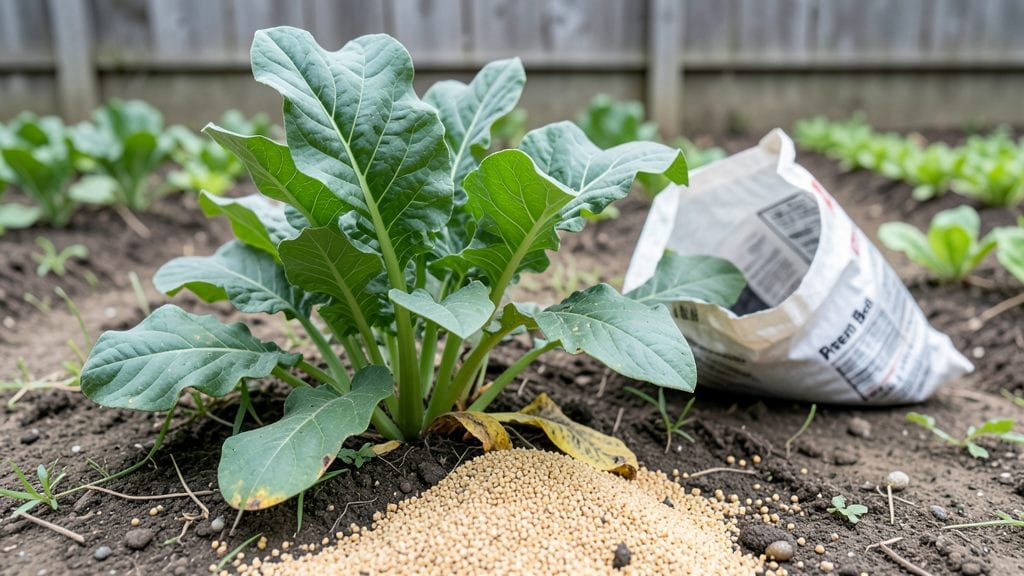
Preen works by blocking weed seeds from sprouting, thanks to its corn gluten meal content that disrupts their growth hormones. 🌱 For edible gardens, the corn gluten-based version is the safest choice because it breaks down naturally in the soil, leaving no harmful residues.
Unlike synthetic herbicides, it won't linger on plants or in the soil long-term, making it ideal for organic growing systems. The key is timing—applying it after harvest ensures no contamination of your vegetables while still keeping weeds at bay.
For best results, apply Preen when soil is dry and weeds are actively growing, but always keep it at least 6 inches away from plant stems. This gives your vegetables room to establish while still suppressing weeds between rows.
If you're growing root crops like carrots or beets, wait until they're fully harvested before applying, as the granules can temporarily stunt young roots.
💡 In This Article
- How Preen Works in Organic Vegetable Gardens
- Safe Preen Application Timing for Edible Crops
How Preen works in organic vegetable gardens
Preen's weed-prevention magic comes from its active ingredient: corn gluten meal, a byproduct of corn processing. This organic compound works by disrupting the hormonal signals that trigger weed seed germination.
When applied to soil, it releases phytohormones that confuse young weed seedlings, causing them to either fail to sprout or grow abnormally. The effect is most potent on broadleaf weeds and grasses, though it won't kill established weeds—it prevents new ones from starting.
The breakdown process is what makes Preen safe for edible gardens. Corn gluten meal decomposes naturally in 4-6 weeks through microbial activity in the soil, leaving behind only organic matter. This contrasts sharply with synthetic herbicides that can persist for months or even years, potentially contaminating harvests.
The organic version also feeds beneficial soil microbes, improving long-term soil health—a win for organic gardeners. 🌱 For comparison, synthetic Preen alternatives often contain pendimethalin, which lingers in soil for up to 6 months and can leach into groundwater.
What most gardeners don't realize is how timing affects effectiveness. Preen must be applied when soil temperatures are above 50°F for optimal microbial breakdown. Below this threshold, decomposition slows dramatically, reducing its weed-suppressing power.
The granules also need to make direct contact with weed seeds or soil to work—this is why pre-emergent applications (before weeds appear) are most effective. For vegetable gardens, this means applying it 2-3 weeks before planting or immediately after harvest when no edible crops remain.
The organic corn gluten formulation is particularly valuable because it doubles as a slow-release nitrogen fertilizer. As it breaks down, it releases 3-4% nitrogen by weight, giving your soil a gentle nutrient boost. This makes it an economical choice for organic gardeners who want both weed control and soil improvement.
The trade-off? It won't provide the immediate, broad-spectrum weed kill of synthetic options—but that's precisely why it's safer for food crops.
For visual learners, imagine this: Preen acts like a hormonal "smokescreen" for weed seeds. When a seed tries to germinate, it receives conflicting growth signals from the corn gluten, causing developmental confusion.
Meanwhile, your vegetable plants—already established—receive no interference. This selective action is why it's called a pre-emergent herbicide, targeting only the earliest stages of weed life cycles. 💫
One common misconception is that all Preen products work the same way. While the corn gluten version is organic and safe for edible gardens, some Preen formulations contain synthetic ingredients that can leave chemical residues.
Always check the label for "corn gluten meal" as the first ingredient if you're growing food crops. The organic version typically costs $15-$25 per 5-pound bag, making it a cost-effective solution compared to synthetic alternatives that can run $30-$50 for similar coverage.