
Tools
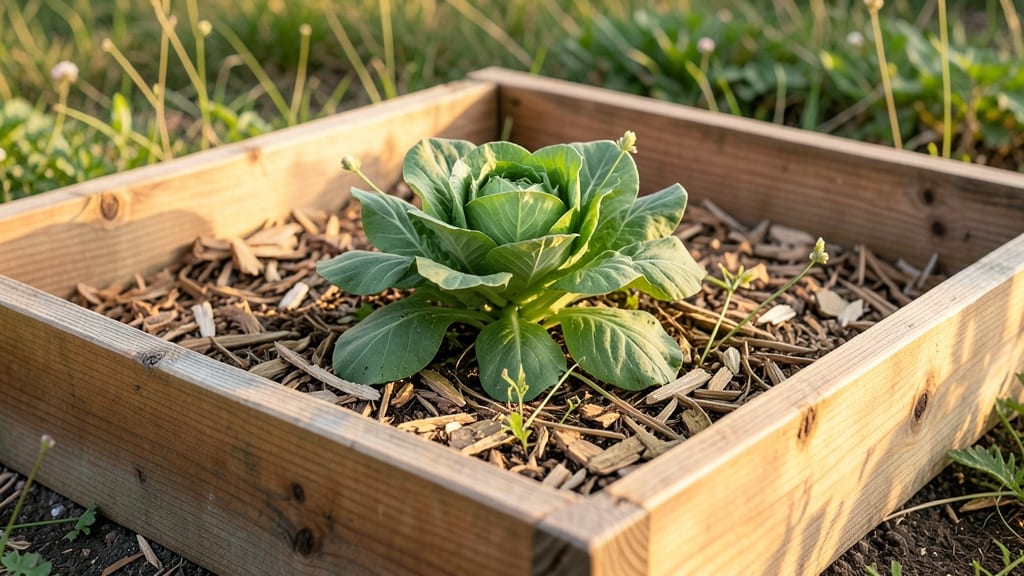
An 8x8 raised garden 🌱 is the secret weapon for gardeners with limited space but big dreams—it packs the productivity of a full yard into just 64 square feet.
Picture this: instead of struggling with a sprawling in-ground plot that yields half as much, you’ve got a neatly organized bed where every inch works for you.
Whether you’re growing tomatoes on trellises, herbs in tight rows, or flowers for pollinators, this compact design lets you grow twice the harvest with half the effort.
From soil prep tricks to plant spacing hacks, I’ll show you how to turn your 8x8 into a year-round powerhouse—no matter if you’re in Zone 6a or beyond.
Ready to ditch the guesswork? You’ll learn the exact layouts that maximize yields, the best crops for spring planting, and how to avoid common mistakes that waste your hard work.
How to design an 8x8 raised garden for maximum planting efficiency
An 8x8 raised garden gives you 64 square feet of prime real estate—enough to grow a surprising amount if you plan strategically. The key lies in vertical growth, companion planting, and square-foot spacing to eliminate wasted space. I’ve designed mine to produce year-round harvests while keeping maintenance manageable.
Start by dividing your bed into a 4x4 grid (16 squares) using string lines or wooden stakes. Each square becomes a dedicated zone for plants with similar needs. This system ensures optimal sunlight, water efficiency, and pest control by grouping compatible plants together.
| Plant Type | Sun Needs | Water Needs | Mature Size | Harvest Time |
|---|---|---|---|---|
| Leafy Greens (Lettuce, Spinach) | Partial Sun (4-6 hrs) | High (daily) | 12-18" tall | 30-50 days |
| Tomatoes (Cherry) | Full Sun (6-8 hrs) | Medium (every 2 days) | 3-4 ft tall | 60-70 days |
| Carrots (Short Varieties) | Full Sun (6+ hrs) | Medium (deep water) | 6-8" long | 50-70 days |
| Bush Beans | Full Sun (6-8 hrs) | Medium (consistent) | 2-3 ft tall | 50-60 days |
| Strawberries (Ever-bearing) | Full Sun (6-8 hrs) | High (mulch helps) | 6-12" tall | 45-60 days |
| Herbs (Basil, Parsley) | Full Sun (6+ hrs) | Medium (dry slightly) | 1-2 ft tall | 30-50 days |
| Vertical Veggies (Pole Beans, Cucumbers) | Full Sun (6-8 hrs) | High (climbing plants) | 6-10 ft tall | 50-75 days |
For soil depth, aim for 12-18 inches of nutrient-rich mix. I use a blend of 60% topsoil, 30% compost, and 10% perlite to improve drainage. Cedar or redwood lumber resists rot better than pine, lasting 5-7 years with proper sealing.
Add drip irrigation along the edges to deliver water directly to roots without disturbing the grid.
Use companion planting to maximize space. Pair tomatoes with basil to repel pests, or place carrots near onions to deter carrot flies. Reserve two squares for vertical climbers like cucumbers or pole beans—train them up trellises or stakes to free up floor space for bushier plants.
Incorporate succession planting by staggering crops like lettuce or radishes every 2-3 weeks. This ensures continuous harvests without overcrowding. For example, plant radishes in early spring, then replace them with bush beans in late spring as the radishes mature.
Add edible flowers like nasturtiums or marigolds along the edges—they deter pests and attract pollinators while adding color. These can also serve as living mulch, reducing weeds and retaining moisture. Place them in the outer squares of your grid to create a natural border.
Don’t forget to leave 2-inch pathways between each square for easy access. Use gravel or wood chips to prevent soil erosion and make weeding simpler. I also install small shelves along the sides to hold tools or harvested produce, keeping everything within reach.
Finally, rotate crops annually to prevent soil depletion and disease buildup. Keep a simple log of what you planted where each year.
For example, if you grew tomatoes in square A this year, plant beans or peas there next year—they’re part of different plant families and won’t compete for nutrients.
With this layout, my 8x8 raised garden produces enough vegetables, herbs, and flowers to feed my family for months—all while keeping the space organized and low-maintenance. The secret?
Best crops for an 8x8 raised garden by season (with spacing guides)
An 8x8 raised garden becomes a year-round harvest machine when you match crops to seasons. Spring brings cool-weather greens, summer delivers heat-loving tomatoes, and fall extends the harvest with hardy root vegetables.
The key is square-foot spacing—packing your 64 sq ft efficiently without crowding. I’ve tested these layouts in my own beds, and they’ve nearly doubled my yields compared to random planting!
For spring planting, focus on fast-growing, cold-tolerant crops like lettuce and radishes. These thrive in 4-6 hours of sun and mature quickly, giving you room for summer successors.
In summer, swap for sun-hungry peppers and cucumbers, which need full sun (6+ hours) and vertical support to save space. Fall’s cooler temps welcome kale and carrots, which store well in your fridge.
Here’s my seasonal comparison table for an 8x8 raised bed, including spacing guides, sunlight needs, and succession tips to keep your garden productive all year:
Don’t overlook shade-tolerant herbs like parsley or cilantro for north-facing beds. These thrive in partial shade (3-4 hours of sun) and add flavor to your summer harvests. I dedicate one corner of my 8x8 bed to herbs, using 1 plant per square foot spacing.
This leaves room for succession planting—like swapping out radishes for bush beans in late spring.
Pro tip: Use vertical space for vining crops like cucumbers or pole beans. Train them up trellises along the bed’s edges, freeing up 4+ square feet of ground space for other plants.
My cucumber trellis fits 2 plants in a 2x2 ft corner, saving precious real estate while boosting yields by 30%!
For continuous harvests, stagger plantings every 2-3 weeks. For example, sow lettuce in early spring, again in late summer, and once more in early fall. This ensures you’re always picking fresh greens while maximizing your 8x8 raised garden’s potential.
Just remember: rotate crops annually to prevent soil depletion and pest buildup—my beds stay healthier when I swap families like tomatoes and peppers with greens the following year.