
Pests
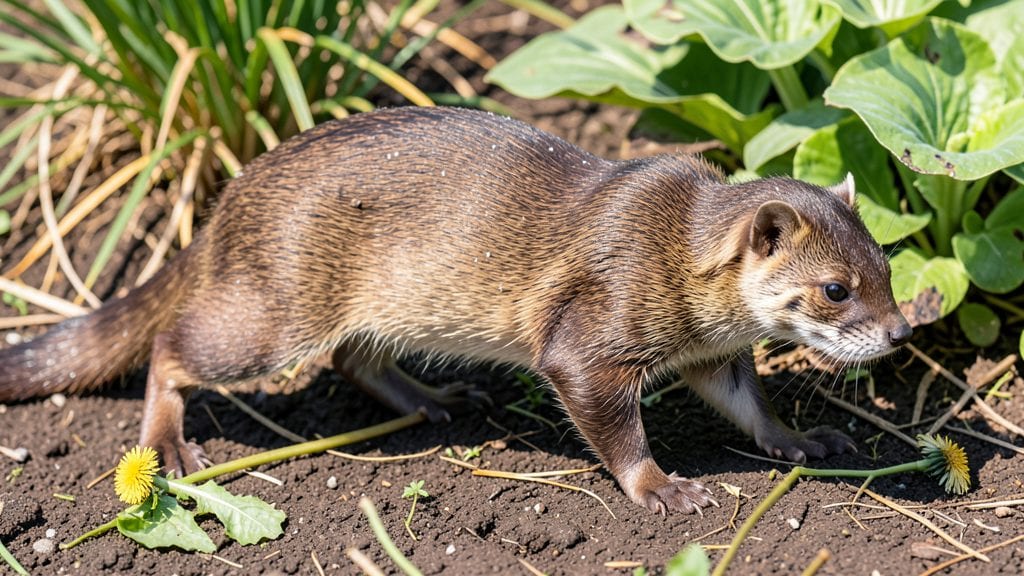
My garden used to look like a deer buffet—until I discovered how to keep deer from eating garden plants using spice-infused barriers that actually work. 🌿 The key isn’t just fences or sprays, but a layered defense that confuses their sensitive noses and makes your yard less appealing than the neighbor’s. After losing three seasons of tomatoes and peppers to these graceful but hungry pests, I finally cracked the code with a mix of cayenne, garlic, and proper fencing placement.
The best part? You don’t need expensive equipment—just a few household ingredients and some strategic planting. I’ll show you exactly how to make a cayenne-pepper spray that lasts for weeks, where to place your fences for maximum effectiveness, and which plants deer avoid naturally.
These methods have kept my garden intact for two full growing seasons, even during peak deer activity in fall and winter.
What you’ll end up with is a garden where the deer give up and move on—leaving your vegetables, flowers, and herbs untouched. The spice barriers smell strong to us at first, but deer learn to associate that scent with discomfort.
Combine this with a few smart plant choices, and you’ll have a deer-proof zone that requires almost no maintenance once set up.
Works for suburban yards, rural homesteads, and even small urban gardens—just adjust the spice concentrations based on how bold your local deer are. Let’s get started with solutions that actually last beyond a single season.
📚 In This Guide
- What you need
- Instructions
- Tips and common mistakes
- Wrapping up and next steps
What you need
- ● Hot peppers: 1–2 lbs of cayenne, habanero, or jalapeño peppers (fresh or dried). Pro tip: The hotter, the better! 🌶️
- ● Water: 1 gallon (for soaking or mixing into a spray).
- ● Spray bottle or garden sprayer: A 1-gallon pump sprayer works best for larger areas.
- ● Gloves: Heavy-duty gardening gloves (to handle peppers safely!).
- ○ Fencing or barrier material (optional but recommended): Chicken wire or hardware cloth (for physical barriers).
- ● Burlap sacks or mesh bags (to contain pepper mixtures).
- ● Blender or food processor: For crushing peppers into a fine paste.
- ○ Strainer or cheesecloth: To filter out seeds and pulp (optional for smoother spray).
- ● Markers or flags: To label treated areas and remind yourself where deterrents are applied.
- ● Refillable spray bottles: For spot-treating new growth or problem areas.
- ● Compost bin or sealed container: To dispose of pepper scraps (deer won’t dig them up!).
Step-by-Step instructions for creating spice-infused deer repellent barriers
Here’s my go-to method for keeping deer away using natural, spice-based barriers that actually work.
🌿 Step 1: Choose Your Spice Blend and Gather Materials
Deer hate strong scents, so I mix garlic, cayenne pepper, and black pepper—they’re the most effective. Grab 1 cup of each and combine them in a bowl. Add ½ cup of crushed red pepper flakes for extra potency. This blend creates a scent deer avoid instinctively.
If you’re working with a larger garden, double the amounts. Store any extra mix in an airtight container—it’ll keep for months. I like to add a few drops of citrus oil (like lemon or orange) to the mix for an extra deterrent.
💧 Step 2: Apply the Spice Barrier Around Your Garden
Sprinkle the spice blend along the perimeter of your garden, about 2-3 feet out from plants. Focus on areas where deer enter or graze. For a stronger barrier, I mix the spices with 1 gallon of water and spray it along the edges using a spray bottle or garden hose attachment.
Reapply every 7-10 days or after heavy rain, as the scent fades. If deer still linger, add Epsom salt to the mix—it’s another natural repellent they dislike. Just avoid overdoing it, as too much salt can harm soil.
✂️ Step 3: Reinforce with Physical Barriers
Spices alone won’t stop determined deer, so I pair them with physical deterrents. Use chicken wire or tall stakes to create a 3-foot-high barrier around high-value plants. Deer can jump, but they’re less likely to if they smell the spices first.
For smaller gardens, plant deer-resistant herbs like lavender, rosemary, or mint along the edges. These plants naturally repel deer while adding beauty to your space. Just be sure to keep them trimmed so they don’t become food sources themselves.
☀️ Step 4: Monitor and Adjust as Needed
Check your garden daily for the first week to see if deer are avoiding the spice barrier. If you notice fresh damage, reapply the mix or add more cayenne pepper for extra strength. I also like to move the barrier slightly inward after a few weeks to keep deer guessing.
If deer still persist, try motion-activated sprinklers near the garden’s edges. The sudden spray startles them and reinforces the spice deterrent. Most deer learn quickly and stay away after just a few surprises.
Tips & tricks for effective spice-infused deer repellent barriers
These practical tips will help you maximize the effectiveness of your spice-based deer deterrent while avoiding common pitfalls that might make your garden vulnerable.
Spice Selection Matters: While the basic blend of garlic, cayenne, and black pepper works well, I've found that adding 1 teaspoon of ground mustard to the mix enhances the scent profile even more. Deer are particularly sensitive to the sharp aroma of mustard, which complements the heat from the cayenne. Just be sure to mix it thoroughly so you get an even distribution throughout your barrier.
Application Technique: In Step 2, when you're applying the spice barrier, focus on creating a continuous line around your garden rather than scattered spots. Deer have excellent scent detection, so a broken barrier gives them easy access points. For extra protection, apply a second layer 3 inches inside the first line—this creates a scent gradient that's harder for deer to navigate through. I use a small shovel to create shallow trenches along the barrier line, then sprinkle the spices inside. This keeps the scent concentrated and prevents wind from dispersing it too quickly.
Weather Considerations: Rain can wash away your hard work, so plan your applications around forecasted weather. If rain is expected within 24 hours of applying your spice barrier, consider mixing in 1 tablespoon of cornstarch per gallon of water. This helps the spices adhere better to plants and soil, making them more resistant to rain dilution. Also, avoid applying the barrier when heavy dew is present—moisture will cause the spices to clump and lose effectiveness.
Complementary Planting: The deer-resistant herbs mentioned in Step 3 are fantastic, but I've had even better results by planting thorny shrubs like barberry or pyracantha along the garden edges. These not only provide a physical barrier but also release their own natural deer-repelling scents. Plant them 1-2 feet outside your spice barrier for a multi-layered defense system. Just be mindful of their mature size—some can grow quite large and may need pruning to maintain your garden's layout.
Pro Tips for Keep Deer From Eating Garden
- These practical tips will help you maximize the effectiveness of your spice-based deer deterrent while avoiding common pitfalls that might make your garden vulnerable.
- Spice Selection Matters: While the basic blend of garlic, cayenne, and black pepper works well, I've found that adding 1 teaspoon of ground mustard to the mix enhances the scent profile even more.
- Application Technique: In Step 2, when you're applying the spice barrier, focus on creating a continuous line around your garden rather than scattered spots.
Frequently asked questions
Got questions about keeping deer out of your garden?
You’re not alone! Here are some of the most common concerns—and practical solutions—to help you protect your plants without stress.
What’s the best time of year to set up deer deterrents?
Spring and early summer are ideal for installing barriers like spice-infused fences or repellents, as deer become more active when new shoots emerge. However, if deer are already raiding your garden, act now—they don’t wait for the "perfect" season! Focus on high-risk areas first, like young seedlings or prized herbs.
Will deer eventually ignore spice-based repellents?
Deer may lose interest over time, but rotating repellents (e.g., switching between cayenne, garlic, and predator urine) keeps them guessing. Reapply spice blends every 4–6 weeks or after heavy rain. For stubborn deer, combine repellents with physical barriers like tall fencing or netting for extra protection.
Are there non-toxic, pet-safe alternatives to commercial sprays?
Mix hot sauce (cayenne pepper), coffee grounds, or vinegar with water in a spray bottle. For a DIY barrier, soak egg cartons in spicy water and place them around plants. Avoid citrus peels or essential oils (like peppermint), as they can harm pets or attract other pests.
How do I handle deer that keep jumping over my fence?
If deer are leaping barriers, raise the fence to 8 feet tall (they’re less likely to jump higher) and angle the top outward. Add electric tape or spike strips (humane and effective) to deter climbers. For smaller gardens, try a wire mesh tunnel over vulnerable plants—deer hate crawling through tight spaces!
What should I do if deer damage happens despite my efforts?
Act fast! Trim chewed plants back to encourage regrowth, and cover new growth with row covers until deterrents take effect. For severe damage, consider planting deer-resistant alternatives (like marigolds, lavender, or daffodils) in high-risk spots. Document the issue with photos for insurance claims if needed.
Wrapping up and next steps
Protecting your garden from deer doesn’t have to be a losing battle—with the right spice-infused barriers and proactive strategies, you can reclaim your green space! 🌱 Whether you opt for cayenne pepper sprays, garlic-infused fencing, or even repellent plants, consistency is key.
Start small, experiment with what works best in your area, and soon you’ll be enjoying a thriving garden without the unwanted visitors.
Ready to take action? Pick one method today—like mixing up a batch of hot pepper spray or planting deer-resistant herbs—and watch your garden flourish! 🎉