
Fertilization
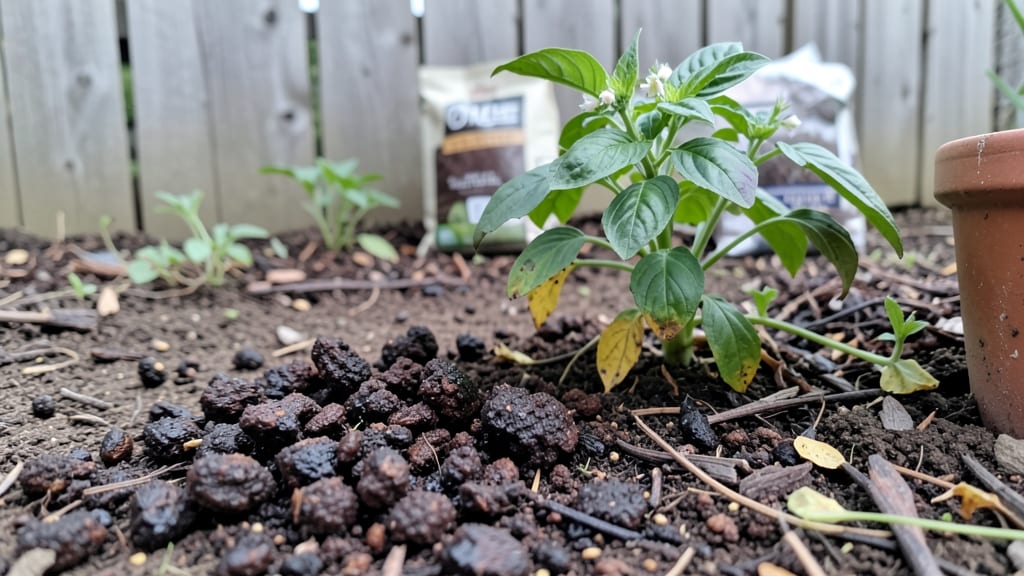
A coffee grounds in the garden fact sheet reveals they act as a nitrogen-rich fertilizer that enhances soil fertility, creates acidic conditions perfect for certain plants, and naturally repels pests like slugs and ants—but using too much can lead to soil compaction or mold growth.
Coffee grounds are a gardener's secret weapon because they break down slowly, releasing nutrients over time rather than all at once. 🌱 The nitrogen content helps plants grow lush and green, while the slightly acidic nature makes them ideal for blueberries, azaleas, and tomatoes.
Just remember: fresh grounds should be composted first to prevent clumping, and always mix them into the soil rather than piling them on top.
What many gardeners don't realize is that coffee grounds also stimulate beneficial soil microbes, which in turn improve nutrient uptake for your plants. The caffeine in coffee grounds acts as a natural pest deterrent, though it won't harm earthworms or other beneficial soil organisms.
For best results, sprinkle a thin layer around acid-loving plants and work it into the top inch of soil during planting or early spring.
💡 In This Article
- How Coffee Grounds Affect Soil Chemistry and Plant Growth
- Best Plants for Coffee Grounds and Application Tips
How coffee grounds affect soil chemistry and plant growth
Here's what's actually happening when you add coffee grounds to your garden: they contain about 2% nitrogen by weight, which is roughly half the nitrogen content of fresh manure. This nitrogen gets released slowly as the grounds decompose, providing a steady nutrient supply rather than a quick burst.
The key factor is microbial activity—beneficial bacteria and fungi break down the cellulose and lignin in coffee grounds, converting them into plant-available nutrients like ammonium and nitrate over 3-6 months, depending on moisture and temperature conditions.
The pH impact comes from the organic acids in coffee, primarily chlorogenic acid, which lowers soil pH by 0.5-1.5 units when used fresh.
For example, if your soil starts at a neutral pH 7.0, adding fresh grounds could shift it to pH 5.5-6.0—ideal for acid-loving plants like blueberries (which thrive at pH 4.5-5.5). However, composted grounds have much less impact on pH because the acids break down during decomposition.
The texture also matters: fresh grounds are coarse and can compact soil if used in thick layers, while composted grounds blend smoothly and improve soil structure.
What most people don't realize is how coffee grounds stimulate microbial life. Studies show they can increase bacterial populations by up to 30% while reducing harmful pathogens. The caffeine content (about 1-2% by weight) acts as a natural fungicide, suppressing mold and mildew without harming earthworms.
This microbial boost enhances nutrient cycling—meaning more organic matter gets converted into plant-available forms. For instance, a 1-inch layer of coffee grounds spread over 100 square feet can improve soil fertility for 6-12 months, depending on your climate.
The decomposition process itself is fascinating. Fresh grounds decompose fastest in warm, moist conditions (like spring or fall), while cold winters slow the process. The breakdown follows this sequence: first, water-soluble compounds (like caffeine) leach out, then microbes attack the cellulose, and finally, the lignin breaks down last.
This staged release prevents nutrient spikes that could burn plants. For example, tomatoes benefit from this gradual nitrogen supply, as they're heavy feeders but don't tolerate sudden nitrogen surges that cause excessive leafy growth at the expense of fruit production.
There's a critical balance to consider: while coffee grounds provide nitrogen, they're not a complete fertilizer. They lack phosphorus and potassium in significant amounts, so they work best as a supplement rather than a standalone amendment.
The ideal application rate is 1-2 cups per plant (or 1/4 inch layer over garden beds) every 2-3 months. Overuse can lead to soil compaction or mold growth, especially in shaded or poorly drained areas where decomposition slows.
For alkaline soil plants like asparagus or lavender, composted grounds are safer, as they've lost most of their acidifying properties.
The visual difference in your garden will be noticeable within weeks. Plants like azaleas will show deeper green foliage, while blueberries may produce more abundant fruit.
The soil itself becomes darker and crumbles more easily when moist—a sign of improved organic matter. 🌿 The aroma is also distinctive: freshly tilled coffee-amended soil has a faint, earthy coffee scent that fades as decomposition progresses, replaced by a richer, more complex soil fragrance.