
Pests
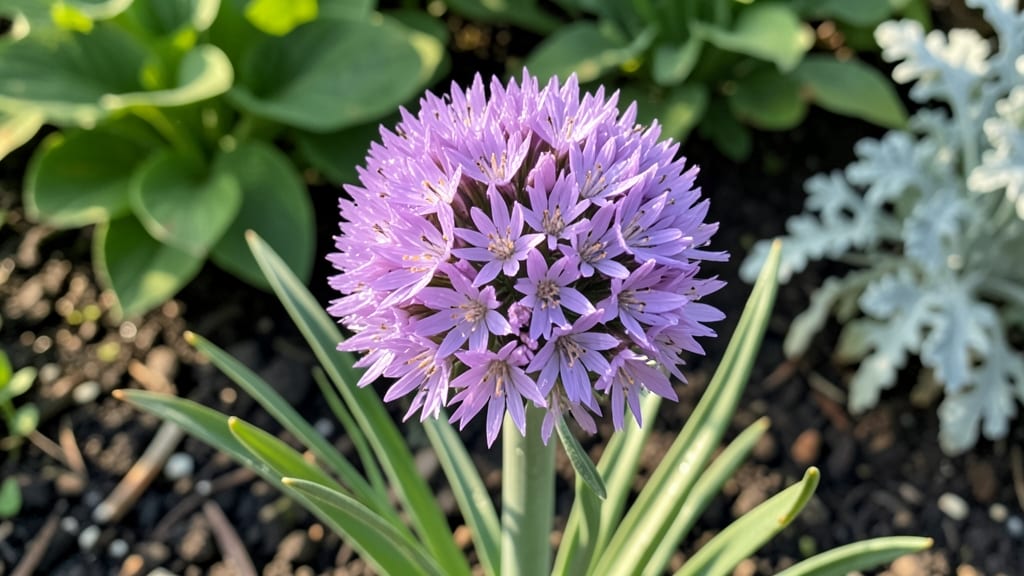
After learning how to keep chipmunks out of my garden naturally, I finally stopped losing my harvest to their relentless digging. The peppermint oil barrier works because these critters despise the scent—it’s their natural enemy, not some harsh chemical.
One whiff and they’ll scurry off to easier pickings, leaving your veggies and bulbs untouched. 🌿
The trick isn’t just spraying oil—it’s creating a strong, consistent barrier they can’t cross. You’ll need cotton balls soaked in peppermint oil, a spray bottle for reapplication, and stakes to mark the perimeter.
Even better? This method works for squirrels and rabbits too, making it a multi-purpose solution. The key is persistence: reapply every 7-10 days or after rain.
Within 24 hours, you’ll notice fewer tiny holes in your soil and no more vanished seed potatoes. The scent lingers just enough to deter them without harming plants or pollinators.
Plus, it’s cheap, reusable, and completely safe for kids and pets once dry. No more setting traps or calling pest control—just a simple, natural line in the dirt.
Works best in spring and summer when chipmunks are most active, but you can use it year-round for bulbs. For stubborn cases, add reflective tape or wind chimes near the barrier—the extra noise sends them packing. Here’s how to set it up without turning your garden into a science experiment.
📚 In This Guide
- What you need
- Instructions
- Tips and common mistakes
- Wrapping up and next steps
What you need
- ● Peppermint essential oil – 100% pure, food-grade (10–15 mL bottle, ~$10–$15). Why? Chipmunks hate the scent!
- ● Cotton balls or wool pads – 10–15 pieces (or old socks!). Tip: Avoid synthetic fabrics—they don’t absorb oil well.
- ○ Spray bottle – 8–16 oz (for DIY peppermint spray). Optional: Add water + a few drops of dish soap for better adhesion.
- ● Gloves – 1 pair (nitrile or rubber). Pro tip: Peppermint oil can irritate skin!
- ● Stakes or small flags – 6–12 wooden or bamboo stakes (6–12 inches tall). Use: Mark boundaries for your barrier.
- ● String or twine – 50+ feet (for hanging cotton balls in trees/shrubs).
- ● Mulch or gravel – 5–10 gallons (for edging garden beds). Bonus: Adds a physical barrier + deters digging.
- ● Castor oil – Small bottle (1 oz). Why? Mix with peppermint oil for a super-repellent combo!
- ● Clear 2–3 hours for setup (oil needs time to dry/sink in).
- ● Identify chipmunk hotspots (digging areas, entry points, or favorite snack spots).
- ● Check for weather forecasts—avoid applying oil before rain! 🌧️
Step-by-Step instructions for creating a peppermint oil chipmunk barrier
Here’s the proven method to deter chipmunks without harming them or your plants.
🌿 Step 1: Identify High-Risk Areas and Gather Supplies
Start by mapping your garden’s trouble spots—chipmunks love burrowing near vegetable beds, mulch piles, and woodpiles. Grab the 100% pure peppermint essential oil, spray bottle, and gardening gloves from your supplies. I like to work in sections, so I mark boundaries with small flags or sticks to avoid missing spots.
Mix 10 drops of peppermint oil with 1 quart of water in the spray bottle. Shake well before each use—peppermint oil separates from water. This ratio creates a strong scent without overwhelming your garden. Chipmunks detect smells 10 times better than humans, so a faint whiff to you is a repellent to them.
💧 Step 2: Apply the Barrier Along Garden Perimeters
Spray the mixture along garden edges, focusing on 12-18 inches outward from plants. Pay extra attention to entry points like gaps in fences, under decks, or near sheds. I like to spray in a zigzag pattern—this ensures full coverage and makes it harder for chipmunks to slip through untreated areas.
Reapply every 3-5 days or after rain, as the scent dissipates quickly. You’ll know it’s working when you see chipmunks sniffing the perimeter and moving away. If they linger, increase the peppermint oil to 15 drops per quart for a stronger deterrent.
✂️ Step 3: Reinforce with Physical Deterrents
Combine the peppermint barrier with physical barriers for extra protection. Bury wire mesh (like hardware cloth) 6 inches deep around vulnerable beds. Chipmunks can’t dig through it, and the scent of peppermint on the mesh adds an extra layer of defense.
Place decoy plants like mint or lavender near high-traffic areas—chipmunks avoid these strong scents too. I’ve found that a combination of scent and physical barriers works best, especially in gardens with loose soil where burrowing is easy.
☀️ Step 4: Monitor and Adjust for Long-Term Success
Check your garden weekly for new dig sites or chewed plants. If chipmunks return, they may have found untreated spots. Spray again and consider expanding the barrier by another 6 inches outward. Over time, they’ll learn to avoid the area entirely.
This method is humane and chemical-free, making it safe for pets and wildlife. The key is consistency—chipmunks are persistent, but they’ll give up if the scent is reliable. With patience, your garden will stay chipmunk-free all season.
Tips & tricks for perfect peppermint oil chipmunk barrier
A few strategic tweaks will help you maximize the effectiveness of this natural chipmunk deterrent while avoiding common pitfalls that can make it less effective.
Scent Concentration Matters: The 10-drop ratio in 1 quart of water is ideal for most gardens, but if you have persistent chipmunks, you can safely increase to 15 drops per quart. For larger gardens, scale up proportionally—15 drops per quart for every 100 square feet. Remember, chipmunks have an extraordinary sense of smell, so stronger isn't always better. Overpowering your garden with scent can actually make the barrier less effective as they may simply avoid the area entirely.
Application Technique: In Step 2, when you're spraying along garden edges, focus on creating a continuous barrier without gaps. I've found that using a zigzag pattern isn't just about coverage—it also helps the scent linger longer by creating more surface area for evaporation. For extra protection, lightly spray the undersides of leaves near the perimeter. Chipmunks often travel along leaf litter, so this adds an invisible scent barrier they'll detect immediately.
Physical Barrier Synergy: The combination of peppermint scent and physical barriers in Step 3 creates a multi-sensory deterrent that's far more effective than either method alone. When burying wire mesh, consider adding a few drops of peppermint oil to the mesh before installation. This creates a scent barrier at ground level where chipmunks dig. For raised beds, you can even spray the inside edges of the bed frames to create a complete scent enclosure.
Seasonal Adjustments: During peak chipmunk activity in late summer and early fall, you may need to adjust your application frequency. While the instructions recommend reapplying every 3-5 days, in hot weather, you might need to spray every 2-3 days as the scent dissipates faster. Conversely, in cooler months, you can extend the interval to 5-7 days. Always check for effectiveness by observing chipmunk behavior—if they're actively foraging near treated areas, it's time to reapply.
Pro Tips for Keep Chipmunks Out Of Garden Naturally
- A few strategic tweaks will help you maximize the effectiveness of this natural chipmunk deterrent while avoiding common pitfalls that can make it less effective.
- Scent Concentration Matters: The 10-drop ratio in 1 quart of water is ideal for most gardens, but if you have persistent chipmunks, you can safely increase to 15 drops per quart.
- Application Technique: In Step 2, when you're spraying along garden edges, focus on creating a continuous barrier without gaps.
Frequently asked questions
1. How long does peppermint oil last as a chipmunk deterrent?
Peppermint oil’s effectiveness lasts about 1–2 weeks before needing reapplication, especially after rain. For stronger protection, mix it with a carrier oil (like vegetable oil) or reapply every 7–10 days. Store-bought sprays often include preservatives for longer durability.
2. What’s the best time of year to use natural repellents like peppermint oil?
Apply repellents spring through fall when chipmunks are most active foraging. Start in early spring (March–April) to prevent nesting near your garden. Winter applications are less critical, but a quick refresh before thawing can discourage early scouts.
3. Are there non-oil alternatives if peppermint irritates plants?
Yes! Try these chipmunk-safe options:
- Cayenne pepper: Sprinkle around plants (reapply after rain).
- Vinegar-soaked cotton balls: Place in mesh bags near entry points.
- Physical barriers: Chicken wire or hardware cloth buried 12" deep.
- Predator urine (fox or coyote, available at garden stores).
4. Why do chipmunks keep coming back after I’ve used repellents?
Chipmunks may return if:
- Repellents are too diluted—use full-strength peppermint oil (1:1 with water/oil).
- They’ve found untreated food sources (e.g., fallen fruit, pet food).
- Barriers are incomplete (check for gaps in fencing or mulch piles).
- They’re habituated—rotate repellents (e.g., switch to cayenne after 2 weeks).
Combine methods (e.g., oil + barriers) for better results.
5. Will peppermint oil harm my plants or soil?
Peppermint oil is generally safe for most plants in moderate amounts, but avoid:
- Direct application to delicate plants (e.g., roses, azaleas).
- Overuse, which may burn foliage or disrupt soil microbes.
- Use near edible herbs (like mint or basil) unless rinsed before harvest.
Test a small area first and dilute with water (1 tsp oil per 1 cup water).
Wrapping up and next steps
Keeping chipmunks out of your garden naturally is totally doable with the right strategies!
Whether you opt for a peppermint oil barrier, repellent plants, or habitat tweaks, these methods are effective, eco-friendly, and budget-friendly. 🌱 The key is consistency—stay vigilant, and soon, your garden will be a chipmunk-free zone!
Ready to take action? Start by applying your chosen repellent today and observe the difference in just a few days. Happy gardening—your veggies (and sanity) will thank you! 🎉