
Picking
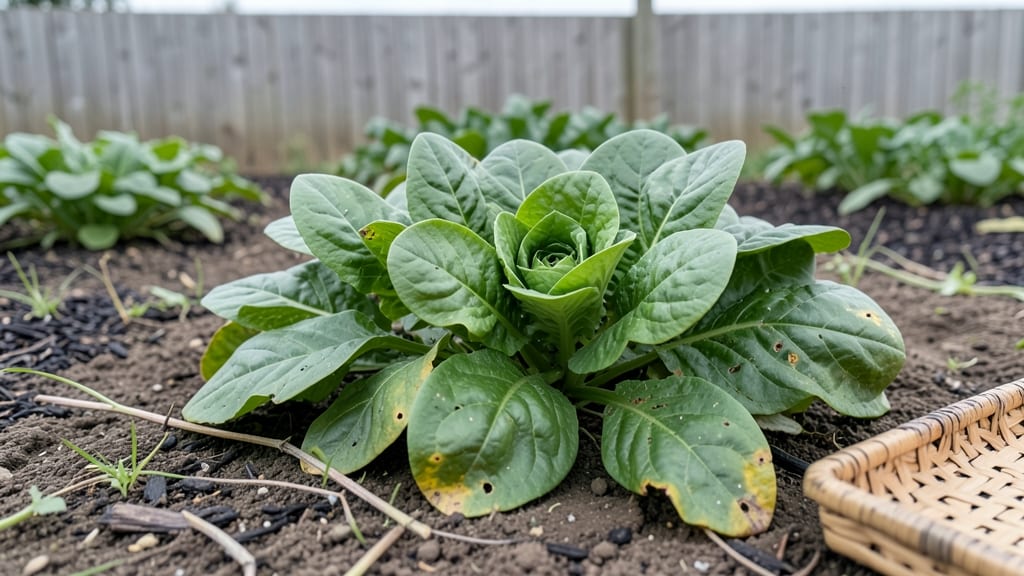
Harvesting spinach at the perfect moment turns your garden into a never-ending salad bowl. 🌱 I learned the hard way—wait too long, and you get bitter leaves or bolting plants that shoot up flowers instead of tender greens.
The secret is timing: young leaves are sweetest, but mature plants keep producing if you pick right.
You only need a sharp pair of scissors or clean fingers for this. Start by harvesting the outer leaves first, cutting just above a set of leaves to encourage new growth.
Avoid pulling leaves—it damages the plant and slows down future harvests. A 10-minute session every few days keeps your spinach productive for weeks, even in cooler weather.
The payoff is fresh, vibrant green leaves that taste like nothing store-bought can match. Harvested properly, your spinach will stay sweet and tender for 3-4 weeks before you might need to replant.
Store extras in a damp paper towel in the fridge, and you’ll have homegrown greens ready whenever you want them.
This method works for both spring and fall plantings, and it’s foolproof for beginners. Once you master the timing, you’ll never buy spinach again—your garden will keep delivering that perfect leafy bounty, season after season.
📚 In This Guide
- What you need
- Instructions
- Tips and common mistakes
- Wrapping up and next steps
What you need
- ● Sharp pruning shears or garden scissors – A pair with clean, stainless steel blades (e.g., Felco F-2 or similar) to avoid crushing leaves or spreading disease. 1 pair is sufficient.
- ● Garden gloves – Nitrile-coated or heavy-duty cotton to protect your hands from thorns, dirt, and blisters. 1 pair per harvester.
- ● Large harvesting basket or bucket – A sturdy, breathable container (preferably with a handle) to collect spinach without bruising. 1-2 per person.
- ● Kitchen knife or harvesting knife – A small, sharp knife (3-4 inches) for close trimming if needed. 1 per harvester.
- ○ Water spray bottle (optional but helpful) – A light misting bottle to dampen leaves before harvesting (reduces dust and stress on plants). 1.
- ● Cooling container or insulated bag – A large cooler or insulated tote with ice packs to store harvested spinach if you won’t use it immediately. 1 per batch.
- ● Harvesting basket liner – A breathable fabric or mesh liner to prevent leaves from tearing.
- ● Hand sanitizer or disinfectant wipes – For quick cleanups between batches.
- ● Labeling tags or markers – If harvesting multiple varieties, label your containers to avoid mix-ups.
- ● Knee pads or a small stool – For comfortable harvesting, especially for larger gardens.
Step-by-step instructions for harvesting spinach like a pro
Here's how to get the most from your spinach plants—without sacrificing future growth or flavor.
🌿 Step 1: Know When Spinach Is Ready to Harvest
Harvest baby spinach when leaves reach 3-4 inches long, usually 4-6 weeks after planting. Young leaves are tender and packed with nutrients, while mature leaves become tougher. Check the outer leaves first—they mature faster than inner ones. If you're growing spinach for baby leaves, you can start harvesting as soon as the first true leaves appear.
Here's the thing—spinach grows continuously, so you can keep harvesting as long as the plants stay healthy. If you let leaves grow too large (over 6 inches), they develop a bitter taste and tough texture. I like to harvest when the leaves are still bright green and crisp, not yellowing or bolting (sending up a flower stalk).
💧 Step 2: Water Before Harvesting for Maximum Yield
Water the spinach plants 12 hours before harvesting to ensure the soil is moist but not soggy. This keeps the leaves crisp and makes them easier to handle. Avoid watering right before harvesting—wet leaves can tear or become muddy. I like to water in the morning so the plants have time to dry slightly before I pick them.
If the soil feels dry to the touch, give the plants a deep watering 2-3 hours before harvesting. Spinach absorbs water quickly, so you won't over-saturate the soil. This step is especially important if you're harvesting in hot weather, as the leaves can wilt faster when the ground is dry.
✂️ Step 3: Harvest Outer Leaves First for Continuous Growth
Use a sharp pair of scissors or clean pruning shears to snip the outer leaves ½ inch above the base. This encourages the plant to produce more leaves in the center. Avoid pulling leaves by hand—it can damage the plant and leave gaps where pests or disease can enter. I always harvest from the outside inward to protect the tender inner leaves.
Leave the inner leaves intact so the plant keeps growing. If you harvest too aggressively, you'll stunt the plant's ability to produce new growth. For a steady supply, harvest every 1-2 weeks during the growing season. This method keeps your spinach productive for months, even in cooler weather.
☀️ Step 4: Store or Use Fresh Spinach Immediately
After harvesting, rinse the leaves gently under cool water to remove dirt and debris. Pat them dry with a clean towel or paper towels to prevent wilting. Store spinach in a plastic bag in the refrigerator for up to 5-7 days, but it's best used within 2-3 days for peak freshness. For longer storage, blanch the leaves for 1-2 minutes in boiling water, then cool and freeze in airtight containers.
Spinach is incredibly versatile—use it fresh in salads, sautéed with garlic, or blended into smoothies. The sooner you use it after harvesting, the better the flavor and texture. If you harvest a large batch, consider freezing half to enjoy later. Just remember: spinach doesn't keep well once cut, so plan to use it quickly!
⏰ Step 5: Monitor for Bolting and Adjust Harvesting
Spinach bolts (sends up a flower stalk) when days get longer or temperatures rise above 75°F. If this happens, harvest the remaining leaves immediately—they'll turn bitter and tough quickly. Once bolting starts, the plant focuses energy on seeds, and leaf production slows. To delay bolting, plant spinach in early spring or fall when temperatures are cooler.
If your spinach bolts unexpectedly, don't worry—just harvest what you can and let the plant go to seed. You can save seeds for next year or let the flowers attract pollinators. For a second crop, succession plant spinach every 2-3 weeks in early spring or late summer for a continuous harvest through fall.
Tips & tricks for perfect spinach harvesting
These game-changing tips will help you maximize your spinach yield while keeping your plants thriving for weeks to come!
Timing is Everything: The 4-6 week window for harvesting baby spinach is your sweet spot for tender, flavorful leaves. I can't stress enough how important it is to harvest when leaves reach just 3-4 inches—any longer and they become tough and bitter. Check your plants every 2-3 days during this window to catch them at peak freshness.
Watering Wisdom: That 12-hour watering window before harvesting isn't just a suggestion—it's crucial! Watering in the morning gives the soil time to absorb properly, preventing soggy leaves that tear easily. If your soil feels dry, give that deep watering 2-3 hours before harvesting instead. Trust me, crisp leaves are worth the extra planning!
Tool Technique: Sharp scissors or pruning shears are non-negotiable for clean cuts that won't damage your plants. I've made the mistake of pulling leaves by hand, and it always leaves ragged edges that invite pests. Always cut ½ inch above the base to encourage new growth while protecting the plant's health. This one simple technique keeps your spinach producing for months!
Storage Secrets: The 2-3 day freshness window for spinach is real—don't let your harvest go to waste! After rinsing, pat leaves completely dry to prevent wilting. For longer storage, that 1-2 minute blanching step is your best friend. I freeze my spinach in ice cube trays for easy portioning, then transfer to freezer bags. This method keeps spinach vibrant and ready for smoothies or cooking for up to 3 months!
Pro Tips for Harvest Spinach From The Garden
- These game-changing tips will help you maximize your spinach yield while keeping your plants thriving for weeks to come!
- Timing is Everything: The 4-6 week window for harvesting baby spinach is your sweet spot for tender, flavorful leaves.
- Watering Wisdom: That 12-hour watering window before harvesting isn't just a suggestion—it's crucial!
Frequently asked questions
Got questions about harvesting spinach? You’re not alone! Here are answers to the most common queries to help you get the most out of your leafy green harvest.
When is the best time to harvest spinach?
Harvest spinach when the leaves are at least 3–4 inches long but before they bolt (produce flower stalks). For baby spinach, pick when leaves are 2–3 inches for tender, sweet flavors. Morning harvests are ideal—leaves are crisp and full of moisture!
Can I harvest spinach multiple times?
Spinach is a cut-and-come-again crop. After your first harvest, leave 1–2 inches of stem to regrow. Avoid cutting more than ⅓ of the plant at once to encourage new growth. With proper care, you can harvest spinach 3–4 times per season!
What’s the best way to store freshly harvested spinach?
Store spinach in the crisper drawer of your fridge wrapped in a damp paper towel or in a sealed container. For longer storage (up to 5 days), blanch leaves in boiling water for 30 seconds, then cool and freeze in airtight bags. Never wash before storing—moisture speeds up spoilage!
Why is my spinach turning yellow or bitter?
Yellowing leaves often signal overmaturity, heat stress, or nutrient deficiency (like nitrogen). Bitter taste? Your spinach may be bolting (due to heat or long days) or overgrown. Harvest sooner next time! Check soil pH too—spinach thrives in 6.0–7.0 range. Add compost if needed.
Can I harvest spinach in the winter?
Yes! Spinach is a cool-season crop and grows well in winter (down to 20°F/-7°C with protection). Use row covers or mulch to shield plants from frost. Harvest gently—cold weather makes leaves more tender. Just avoid harvesting after a hard freeze if leaves are mushy or damaged.
Pro Tip:
Use clean, sharp scissors or pruners to avoid damaging stems. Harvest from the outer leaves first to let the center keep growing—this maximizes your yield!
Wrapping up and next steps
Harvesting spinach from your garden is a rewarding experience—whether you're enjoying fresh greens or preserving them for later. Remember to pick leaves when they're young and tender, use clean tools, and avoid overharvesting to keep your plants thriving.
With the right timing and care, you’ll enjoy a bountiful, homegrown harvest all season long!
Now that you’re ready to harvest, why not take the next step? Try experimenting with different recipes—sautéed spinach, smoothies, or even homemade pesto—to make the most of your leafy bounty. Happy gardening! 🌱