
Pests
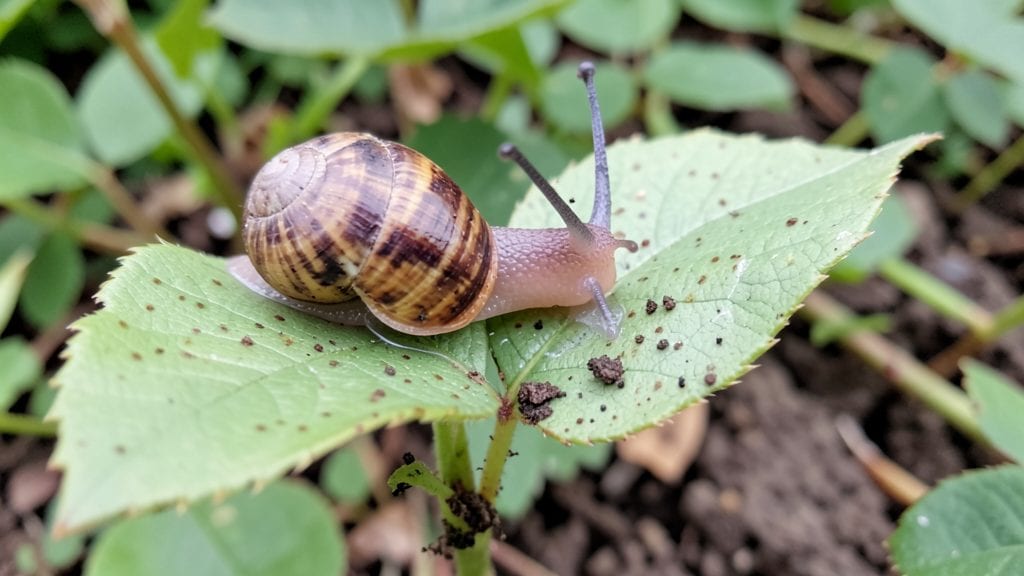
Learn how to get rid of snails in your garden naturally—because those slimy pests can strip your plants bare in a single night, leaving behind nothing but chewed-up devastation. 🌱 I’ve battled them for years—until I discovered these humane, chemical-free methods that actually work, from simple barriers to clever traps that don’t harm other wildlife.
The key is combining prevention with targeted solutions that snails can’t outsmart.
Most natural remedies fail because they’re either too slow or too harsh. My approach focuses on three proven tactics: creating physical barriers snails can’t cross, luring them into traps they can’t escape, and using plants that deter them naturally.
You’ll need basic supplies—like copper tape, beer, or crushed eggshells—and about 30 minutes to set everything up. The best part? These methods protect your soil and local ecosystem while keeping your veggies safe.
Within a week, you’ll see fewer slime trails and more intact leaves. The beer traps, for example, drown snails overnight without chemicals, while copper tape gives them a harmless but effective shock.
For long-term peace, I’ll show you how to combine these tricks into a system that keeps snails out for good—no more waking up to chewed zucchini or ragged hosta leaves.
Works in any garden, from raised beds to shady corners, and adapts to different climates. The secret isn’t one big fix but layered defense—like a fortress snails can’t breach. Let’s build yours step by step.
Root Causes of Snail Surges
Snails aren’t just random visitors—they’re drawn to your garden for specific reasons tied to biology, environment, and human habits. Understanding why they overrun your plants helps you address the problem at its source. Here’s a breakdown of the key factors fueling their presence, backed by science and actionable insights.
Snails thrive in damp conditions because their soft bodies lose moisture quickly when exposed to dry air. A garden with high humidity or poor drainage becomes a snail paradise. Here’s why:
- Slow evaporation: Snails have a mucus layer that helps retain moisture, but they still need 80–90% humidity to survive. Overwatered soil or shaded areas create the perfect microclimate.
- Dew and rain: Morning dew and frequent rainfall provide a slippery, hydrated surface for movement and egg-laying. A single night of heavy dew can double their activity.
- Organic mulch traps moisture: Thick layers of wood chips or straw act like a greenhouse, keeping soil damp longer. While mulch is great for plants, it can also hide snail hotspots.
Pro tip: 🌡️ Use a hygrometer to monitor soil moisture—aim for 40–60% humidity in garden beds to deter snails naturally.
Snails are detritivores, meaning they feast on decomposing plant material. Your garden’s natural waste—like fallen leaves, rotting veggies, or compost piles—isn’t just food; it’s a breeding ground. Here’s the science:
- Nitrogen-rich decay: As organic matter breaks down, it releases ammonia and nitrates, which snails crave for protein. A compost heap can produce hundreds of eggs in a season.
- Shelter + food combo: Piles of leaves or grass clippings provide both hiding spots and meals. Snails lay eggs in damp, shaded soil near these food sources.
- Over-fertilized soil: Excess nitrogen in soil (from synthetic fertilizers) accelerates plant decay, creating a faster food supply for snails.
Pro tip: ✨ Clear debris weekly and turn compost piles regularly to reduce moisture and disrupt egg-laying sites.
Snails are nocturnal for a reason: they avoid birds, frogs, and other predators that hunt during the day. If your garden lacks natural enemies, snails won’t feel threatened. Key factors:
- Lack of ground predators: Chickens, toads, and beetles devour snails, but urban gardens often lack these helpers. Without them, snail populations explode.
- Artificial lighting: Outdoor lights attract snails (they’re drawn to moisture and the light’s heat). A well-lit garden at night can double their activity.
- Dense foliage: Tall plants or thick mulch create shadowy tunnels where snails move undetected. Open, sunny gardens see fewer snail issues.
Pro tip: 🎯 Introduce predator-friendly plants like dill, fennel, or marigolds to attract beneficial insects and amphibians.
Not all plants are equal in a snail’s eyes. They target soft, tender, or young growth, especially:
| High-Risk Plants | Why Snails Love Them |
|---|---|
| Lettuce, spinach, kale | Thin leaves = easy access to moisture and nutrients. |
| Hostas, ferns, impatiens | Soft stems and high calcium content (snails need it for shells). |
| Tomato seedlings, eggplants | New growth is juicy and vulnerable to slug/snail slime trails. |
| Citrus, avocado leaves | Thick, sappy leaves provide hydration and shelter. |
Pro tip: 💡 Choose snail-resistant plants like rosemary, thyme, or geraniums—their hairy or aromatic leaves repel snails naturally.
Natural Ways to Outsmart Snails
Now that you know why snails are crashing your garden party, let’s roll up our sleeves and tackle them—without toxic chemicals or cruel traps. The key is combining prevention, disruption, and humane removal to keep these slimy pests at bay for good.
Below, we’ve mapped out targeted solutions based on the root causes (moisture, shelter, food, and breeding) so you can pick the best approach for your garden’s unique challenges.
Snails thrive where they feel safe—damp, shady, and cluttered. Start by eliminating their cozy nooks and making your garden less inviting.
- 🔥 Clear Debris & Mulch Piles of leaves, rocks, or thick mulch create perfect snail hotels. Rake up debris regularly, especially after rain, and avoid deep mulch near plants they love (like lettuce or hostas). Instead, use straw or coarse wood chips, which dry out faster.
- 🍳 Remove Overhead Shelter Snails love hiding under boards, pots, or dense foliage during the day. Flip over containers after watering, and prune plants that create shaded, humid microclimates (like ivy or ferns). A sunny, open garden is a snail’s worst nightmare.
- 👨🍳 Install Physical Barriers - Copper tape: Wrap it around raised beds or planters—snails hate the electric-like shock it gives off. (Pro tip: 💡 Use 1-inch-wide tape for best results.) - Crushed eggshells or diatomaceous earth (food-grade only): Sprinkle a 1-inch border around beds.
Snails avoid sharp, gritty textures—but reapply after rain. - Coffee grounds: Sprinkle used grounds around plants—the caffeine is toxic to snails and dries out their slime trails.
Snails are opportunistic eaters, and if your garden looks like an all-you-can-eat salad bar, they’ll never leave. Starve them into submission by limiting their favorite foods and distracting them with traps.
- 🔪 Pick & Toss (The Humane Way) - Handpick at night (when they’re active) using gloves or a damp towel to avoid their slime.
Drop them in soapy water (not vinegar—it’s cruel) or relocate them far from your garden (at least 10 feet away). - 🌡️ Time it right: Check 1–2 hours after sunset when they’re most active but before temps drop.
- 🎯 Set Up Beer Traps (Yes, Really!) Bury a small container (like a yogurt cup) filled with beer (or yeast + sugar water) so the rim is flush with soil.
Snails are drawn to the smell, crawl in, and drown—no suffering. Empty and refill every 2–3 days.
- 🥗 Plant Snail-Repellent Companions Snails despise strong scents and textures. Interplant with:
- Garlic, chives, or mint (crush leaves occasionally for extra repellent power).
- Marigolds, geraniums, or thyme (their fragrance confuses snails).
- Diatomaceous earth + crushed herbs (mix and sprinkle around vulnerable plants).
Snails lay eggs in damp soil, and if you don’t stop them, you’ll be fighting the same battle next season. Target their breeding grounds and dry out their favorite spots.
- 💡 Dig Up Eggs (Before They Hatch)
- Snail eggs look like tiny, clear jelly blobs in moist soil. Check after rain and squish or salt them (but avoid harming earthworms).
- Prevent future eggs: Rake soil lightly in spring to expose and dry out potential egg sites.
- 🌡️ Reduce Moisture (Their #1 Weakness)
- Water in the morning (not evening) so soil dries by night.
- Improve drainage with sand or perlite in heavy clay soil.
- Use drip irrigation instead of overhead sprinklers to keep foliage dry.
- 🔥 Introduce Natural Predators Let Mother Nature do the work by attracting snail-eating allies:
- Birds: Install a bird feeder or birdhouse—robins, thrushes, and chickens love snails.
- Ground beetles & frogs: Keep log piles or rock gardens (they hide there) but avoid pesticides that kill them too.
- Ducks or guinea fowl: If you have space, these birds devour snails like popcorn.
The best offense is a good defense. Once you’ve kicked the snails out, keep them out with these low-maintenance strategies:
| Problem | Solution | Maintenance |
|---|---|---|
| Too much shade | Prune trees, add reflective mulch | Trim annually |
| Poor drainage | Amend soil with sand/perlite | Check after heavy rains |
| Overwatering | Switch to drip irrigation | Monitor soil moisture |
| Cluttered beds | Keep paths clear, store tools upright | Weekly tidy-up |
| No predator friends | Plant native flowers, add a bird bath | Seasonal upkeep |
🎯 Pro Tip: Rotate your methods—snails get used to one trick (like beer traps). Mix copper tape, handpicking, and repellent plants for maximum confusion.
Final Thought: Snails may be slimy and persistent, but they’re no match for a well-prepared garden. Combine barriers, starvation, and habitat disruption, and you’ll send them packing—naturally. 🚀
Frequently asked questions
Why do snails seem to appear overnight?
Snails are most active at night when they hunt for food and lay eggs. Their eggs (tiny jelly-like blobs) hatch quickly in damp soil, and adults can travel up to 30 feet in a single night! If you notice damage, check for slime trails at dawn—they’re a dead giveaway.
Will coffee grounds really keep snails away?
Yes! The caffeine in used coffee grounds is toxic to snails and dries out their slime trails. Sprinkle a 1-inch border around vulnerable plants, but reapply after rain. For extra power, mix with crushed eggshells—the sharp edges deter them too.
Are beer traps cruel to snails?
No—beer traps are humane because snails drown quickly in the liquid. They’re drawn to the smell but can’t climb out. For a cruelty-free alternative, use yeast + sugar water (same effect, no alcohol). Empty traps every 2–3 days to prevent odors.
How do I stop snails from returning next season?
Focus on three key strategies:
- Remove shelter (clear debris, prune dense foliage),
- Dry out soil (improve drainage, water in morning), and
- Disrupt breeding (rake soil in spring to expose eggs). Rotate methods—snails adapt quickly!
Can I use salt to kill snails naturally?
While salt dehydrates snails, it’s not recommended—it harms soil, plants, and beneficial insects. Instead, use crushed eggshells or diatomaceous earth (food-grade only). These work just as well without the collateral damage.