
Pests
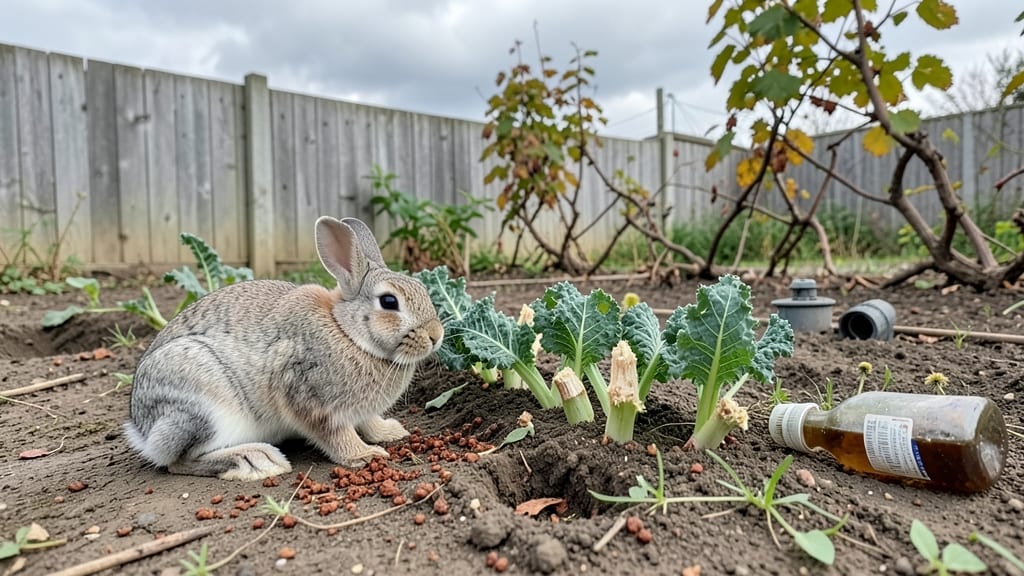
Getting rid of bunnies in my garden finally became possible when I stopped treating them as an annoyance and treated them as a challenge to outsmart. 🌿 Those fluffy pests aren’t just nibbling your lettuce—they’re rewriting your garden’s future, one chewed stem at a time.
The key isn’t just chasing them away temporarily; it’s creating a fortress they’ll avoid permanently.
My first mistake was relying on repellents alone—sprays and granules only work until the bunnies get used to them. Instead, I layered defenses: 8-foot tall fencing buried 12 inches deep (they dig!), wire mesh wrapped around trees, and habitat tweaks like removing brush piles where they hide.
Even my neighbor’s yard, which they used as a shortcut, became less appealing after I added motion-activated sprinklers near the edges.
What changed everything was combining physical barriers with natural deterrents—like planting garlic and rosemary around the perimeter, which they despise. Within weeks, the damage slowed, and by spring, my hostas and lettuce were thriving again. The best part? No traps, no harm, and no more sneaky midnight buffets.
This approach works in any garden size, from small urban plots to sprawling backyards. The secret is persistence—bunnies adapt, but so can you. Here’s how to build your own bunny-proof strategy step by step.
The Real Reasons Bunnies Invade Gardens
Bunnies don’t just wander into your garden by accident—they’re drawn by a mix of food, shelter, and breeding opportunities. Understanding these triggers is the first step to keeping them away for good. Let’s break down the science behind their garden takeovers.
Bunnies are herbivores with a voracious appetite—they can eat up to 50% of their body weight in plants daily. Your garden is essentially an all-you-can-eat buffet if it offers:
- Tender young plants: New shoots, seedlings, and soft-stemmed veggies (like lettuce, beans, or tulips) are their favorites.
- Weeds & clover: These are like fast food for bunnies—they’re easy to digest and high in protein.
- Landscaping plants: Hostas, marigolds, and even roses are on their menu.
- Unprotected compost piles: Decaying organic matter smells like a free snack.
Pro Tip: 💡 If you’ve noticed your garden looking selectively nibbled (e.g., only the leaves of certain plants are gone), bunnies are likely the culprits—they don’t chew bark or leave behind large chunks like deer.
Bunnies are prey animals, so they seek cover from predators (like hawks, foxes, or even dogs). Your garden might unintentionally provide:
- Dense shrubs or bushes: Thick foliage gives them stealthy access to munch and hide.
- Piles of debris: Leaves, branches, or wood stacks create perfect nesting spots.
- Low-lying plants: Ground covers like ivy or creeping thyme offer camouflage.
- Unsecured sheds or outbuildings: Gaps in wood or loose boards invite them to move in.
Fun Fact: 🐇 Bunnies can squeeze through holes as small as 4 inches wide—so even a tiny gap in your fence or deck is an open invitation.
Female bunnies (does) can breed as early as 4–5 months old and produce 12–14 babies (kits) per litter. If your garden has:
- Ample nesting material: Dry grass, leaves, or mulch make cozy burrows.
- Water sources: Ponds, birdbaths, or even damp soil attract them for hydration.
- Undisturbed areas: Quiet corners with minimal human activity let them raise families undetected.
Warning: ⚠️ A single pair of bunnies can lead to a population explosion in just a few months—so early intervention is key!
Bunnies are most active at dawn and dusk, but their behavior shifts with the seasons:
- Spring/Summer: Lush greenery = unlimited food. They’ll multiply rapidly.
- Fall: They stockpile food by gnawing on roots and bulbs for winter.
- Winter: Snow can actually protect them from predators, making them bolder in raids.
Pro Tip: 🌡️ If you’ve noticed bunny activity spiking in late winter, they’re likely preparing for spring breeding season—time to act fast!
Sometimes, well-meaning gardening habits make your space a bunny magnet. Check for:| Gardening Habit | Why It Attracts Bunnies |
|---|---|
| Overwatering plants | Damp soil and soft roots are easier to dig up. |
| Using mulch heavily | Mulch hides their paths and provides nesting material. |
| Planting bunny favorites | Lettuce, tulips, and hostas are like kryptonite to them. |
| Leaving pet food outside | Even small amounts of grain or veggie scraps lure them in. |
Now that you know why bunnies are crashing your garden party, the next step is putting a stop to it—without harming these fuzzy (but destructive) guests. 🚫🐰
Quick Fixes for Bunny Problems
Bunnies in your garden aren’t just pesky—they’re destructive, nibbling away at your plants, flowers, and even young trees. The good news? You don’t need to resort to harsh chemicals or expensive traps to keep them away.
Instead, try these practical, humane, and effective solutions, tailored to the root causes of your bunny troubles.
Bunnies have a serious sweet tooth for tender greens, vegetables, and fresh herbs. The moment they spot your garden, it becomes an all-you-can-eat buffet. Here’s how to starve them out and protect your crops:
- 🍅 Use Physical Barriers - Row covers or netting (made of lightweight fabric) work like a force field. Stretch them over seedlings, young plants, or entire garden beds.
Secure the edges with rocks or soil to prevent bunnies from burrowing underneath. - Chicken wire or hardware cloth (with holes smaller than 1 inch) can be bent into cylinders around individual plants or laid flat over garden beds. Bury the edges 6 inches deep to block diggers.
- 🌱 Plant Bunny-Proof Alternatives
- Bunnies avoid strong-smelling herbs like rosemary, thyme, and sage. Plant these near vulnerable crops to create a natural repellent.
- Marigolds, snapdragons, and foxgloves are less appealing to bunnies. Interplant them among your veggies for a double layer of protection.
- 🥬 Distract with a "Bunny Buffet"
- Plant a sacrificial garden in another area with bunny favorites like lettuce, clover, or dandelions. Keep it far from your prized plants to lure them away.
Bunnies don’t just munch—they excavate, creating unsightly (and dangerous) holes in lawns and garden beds. Stop the digging with these tricks:
- 🚫 Block Access Points
- Fill holes with gravel, sand, or sharp-edged rocks (like crushed glass or chicken wire). Bunnies dislike digging through rough or unstable surfaces.
- Install underground fencing (bury it 12 inches deep around garden edges) to prevent them from tunneling in.
- 🌿 Create Unappealing Terrain
- Sprinkle coarse wood chips, mulch, or pine cones around garden borders. The texture makes digging uncomfortable.
- Avoid loose soil—keep garden beds well-mulched or compacted to deter burrowing.
- 💡 Pro Tip: If you have a shed, garage, or patio, check for hiding spots. Bunnies love to nest in dark, quiet corners. Seal gaps with steel wool or hardware cloth to block entry.
Bunnies are crepuscular—most active at dawn and dusk. If you’re losing plants overnight, you need nighttime deterrents:
- 🔦 Motion-Activated Lights or Sprinklers
- Lights: Solar-powered motion sensors (like those for security) startle bunnies with sudden flashes.
- Sprinklers: Devices like the ScareCrow Solar-Powered Sprinkler spray water when they sense movement. Bunnies hate getting wet!
- 🐕 Encourage Natural Predators
- Owls, hawks, and even cats (if you have a pet) can help. Install an owl box or a perch for birds of prey near your garden.
- Dogs (even small ones) can be trained to patrol the yard at dusk.
- 🌿 Use Strong Scents as Deterrents
- Soak cotton balls in predator urine (available at garden stores) and place them around garden edges. The smell of foxes or coyotes keeps bunnies away.
- Commercial repellents (like Bobby’s Liquid Fence) contain ingredients bunnies dislike. Reapply after rain.
Once you’ve dealt with the immediate problem, prevent future bunny invasions with these habits:
- 🌿 Keep Grass Short
- Bunnies love hiding in tall grass. Mow regularly to remove their cover.
- 🚫 Remove Food Sources
- Clean up fallen fruit, weeds, and clover—these attract bunnies. Store compost bins securely.
- 🏡 Secure Your Property
- Install 8-foot-high fencing (bunnies can jump 3 feet high!) with outward-facing wire at the top to prevent climbing.
- Seal gaps in decks, sheds, and garages where bunnies might nest.
- 🌱 Plant Strategically
- Avoid planting near fences or walls—bunnies use these as launching pads to reach gardens.
- Use raised beds with hardware cloth buried around the edges for extra protection.
💡 Final Thought: Bunnies are clever, but they’re also easily outsmarted with the right mix of barriers, scents, and distractions. Start with one or two methods, monitor their effectiveness, and adjust as needed. Before you know it, your garden will be bunny-free—and thriving!
Frequently asked questions
What’s the fastest way to stop bunnies from eating my plants overnight?
Use a motion-activated sprinkler like the ScareCrow model—it sprays when they approach and startles them away instantly. For immediate protection, wrap vulnerable plants in hardware cloth (bury edges 6 inches deep to block diggers). Combine both methods for best results.
Are there any plants that naturally repel bunnies?
Yes! Bunnies hate strong-smelling herbs like rosemary, thyme, and sage. Plant these around your garden’s perimeter or intermingle them with vulnerable crops. Other effective options include marigolds, snapdragons, and foxgloves—their scent masks the aroma of tasty plants.
Will fencing really work if bunnies can jump over 3 feet?
Only if it’s 8 feet tall with outward-facing wire at the top to prevent climbing. Bury the fence 12 inches deep to stop tunneling. For smaller gardens, use chicken wire cylinders around individual plants—just ensure no gaps larger than 1 inch exist.
Can I use predator urine to keep bunnies away?
Soak cotton balls in fox or coyote urine (available at garden stores) and place them around garden edges. Reapply every 2-3 weeks or after rain. The scent mimics natural predators, making bunnies think twice before visiting. Always test on a small area first.
What should I do if bunnies are nesting under my shed?
Seal all gaps with hardware cloth or steel wool—bunnies can’t chew through these. Remove nesting materials like dry grass or leaves, and consider adding predator urine near entry points. For long-term prevention, keep the area well-lit with motion-activated lights during dawn/dusk.