
Pests
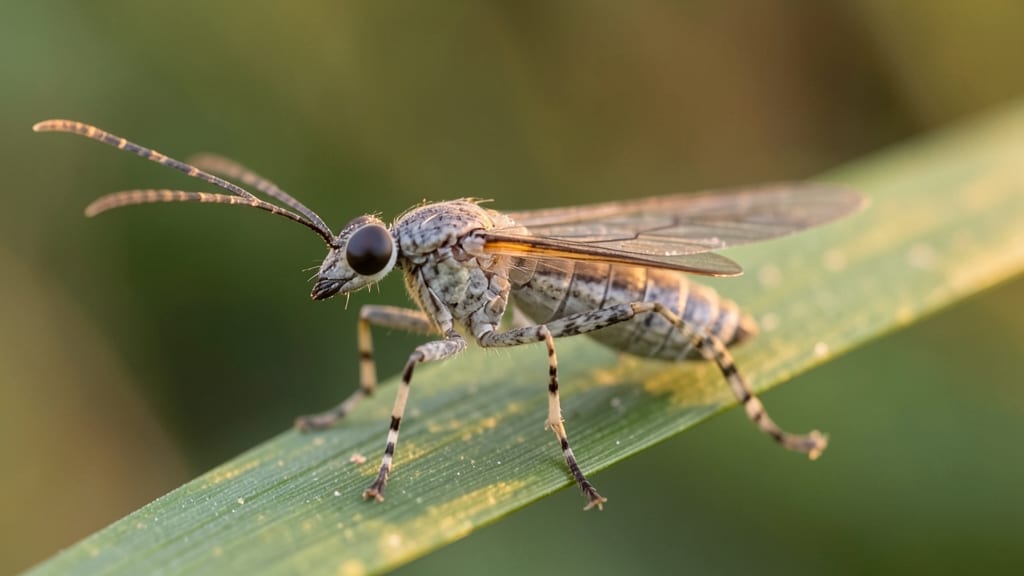
Ridding your garden of mosquitoes starts with a simple truth: they despise citrus and spice. 🌿 After battling swarms that ruined my evening patio time, I discovered a barrier method using plants and spices that actually works—no harsh chemicals needed.
The key is creating an invisible shield that repels them before they even land.
You’ll need just a few things: citrus peels (or fresh slices), cinnamon sticks, cloves, and a few companion plants like marigolds or lemongrass. The best part? These ingredients are safe for pets and kids, and they won’t harm your other plants.
The barrier takes less than 30 minutes to set up and lasts for weeks with minimal maintenance.
Within a few days, you’ll notice fewer buzzing pests hovering around your garden. The air smells fresh and inviting, and your evenings become peaceful again. Mosquitoes stay away, but bees and butterflies still visit—it’s a win-win for your garden ecosystem.
This method works year-round, but it’s especially effective during warm, humid months when mosquitoes thrive. For long-term control, combine this barrier with removing standing water and planting mosquito-repelling herbs. Let’s get started!
📚 In This Guide
- What you need
- Instructions
- Tips and common mistakes
- Wrapping up and next steps
What you need
- ● Citrus peels: 4–6 large peels (oranges, lemons, or grapefruits—fresh or dried). Pro tip: Use organic peels if possible!
- ● Dried spices: 1 tbsp cinnamon (ground or sticks)
- ● 1 tbsp cloves (whole or ground)
- ● 1 tbsp rosemary (dried, crushed)
- ○ 1 tsp black peppercorns (optional but effective)
- ● Small mesh bags or cheesecloth: 2–3 (for bundling spices and peels)
- ● String or twine: 1–2 feet (to hang the bundles)
- ● Scissors or pruning shears: For trimming plants or cutting twine
- ○ Water spray bottle (optional): For rehydrating dried citrus peels if needed
- ○ Gloves (optional): To handle prickly spices or citrus oils
- ● Sunny garden spot: Partial shade is fine—just avoid damp areas
- ● Time commitment: 15–20 minutes to prep and hang bundles
- ● Refresh supplies: Replace bundles every 2–3 weeks or when peels lose potency
Step-by-Step instructions for creating a natural mosquito-repelling garden barrier
Here’s how to transform your garden into a mosquito-free zone using plants they despise.
🌱 Step 1: Select and Plant Mosquito-Repelling Species
Start by choosing plants known to deter mosquitoes—citrus varieties like lemon verbena, lavender, and herbs such as basil, catnip, and rosemary. These plants release scents that mask human odors, making your garden less inviting to mosquitoes. Plant them in clusters along pathways, near seating areas, or at the garden’s perimeter for maximum effect.
Use the 3-gallon potting mix for containers or blend it with garden soil for in-ground planting. Dig holes slightly larger than the root balls, place the plants, and fill the gaps with soil, pressing gently to remove air pockets. Water immediately after planting to help roots establish quickly.
🌿 Step 2: Create a Living Barrier with Strategic Placement
Arrange your mosquito-repelling plants in a 2- to 3-foot-wide band around the garden’s edges or along high-traffic areas. This creates a natural barrier that mosquitoes avoid. For example, place lemon verbena near patios or seating areas, while catnip thrives in sunny spots and can be tucked into flower beds.
Space plants 12-18 inches apart to allow airflow and prevent overcrowding. Mosquitoes are drawn to stagnant, humid conditions, so keeping the area well-ventilated is key. Mulch with 2-3 inches of shredded bark to retain moisture and suppress weeds, which can harbor mosquito larvae.
✂️ Step 3: Maintain Plants for Maximum Repellent Power
Regular pruning keeps plants healthy and encourages lush growth, which boosts their scent—mosquitoes’ natural deterrent. Trim back leggy stems and remove dead foliage to improve airflow and prevent disease. For citrus plants like lemon verbena, pinch back new growth in early summer to promote bushier, more fragrant plants.
Water deeply 2-3 times per week, ensuring the top 2 inches of soil stay moist but not soggy. Overwatering can create standing water, which attracts mosquitoes. Instead, water at the base of plants in the early morning to allow foliage to dry quickly, reducing humidity around the barrier.
💧 Step 4: Enhance the Barrier with Companion Planting
Combine mosquito-repelling plants with others that improve the garden’s overall effectiveness. For instance, marigolds deter mosquitoes with their strong scent, while garlic and onions release sulfurous compounds that mosquitoes avoid. Plant these alongside your citrus and herbs to create a multi-layered defense.
Rotate plants seasonally if needed—some, like catnip, thrive in summer but may fade in winter. Replace them with winter-hardy options like rosemary or thyme, which retain their mosquito-deterring properties even in cooler months. A well-maintained, diverse barrier ensures year-round protection.
☀️ Step 5: Monitor and Refresh the Barrier as Needed
Check your barrier regularly for signs of stress or pest damage. Yellowing leaves or stunted growth may indicate overwatering, underwatering, or nutrient deficiencies. Adjust care routines—such as adding a balanced fertilizer every 4-6 weeks—to keep plants thriving and their repellent properties strong.
If mosquitoes persist, expand the barrier or add more repellent plants. For example, a small patch of citronella grass near seating areas can provide an extra layer of protection. With consistent care, your garden will become a mosquito-free haven you can enjoy all season long.
Tips & tricks for perfect mosquito-repelling gardens
Want to make your garden a mosquito-free zone without chemicals? These simple tricks will help you maximize the effectiveness of your natural barrier.
Plant Placement Matters: In Step 2, when creating your 2- to 3-foot-wide band, prioritize placing lemon verbena and basil near seating areas and pathways where you spend the most time. These plants release their strongest scents when brushed against or crushed, so positioning them where people walk or sit will amplify their repellent effect.
Layer the Defense: The companion planting in Step 4 is where you can really create a multi-sensory barrier. I recommend adding a row of marigolds along the outer edge of your barrier—their strong scent deters mosquitoes before they even reach your citrus and herb plants. This creates a "smell shield" that pushes mosquitoes away from your garden completely.
Seasonal Rotation Strategy: Don't let winter break your mosquito defense! In Step 4, when it mentions rotating plants seasonally, I suggest keeping rosemary and thyme year-round—they're hardy, retain their scent even in cooler months, and provide continuous protection. For summer-specific plants like catnip, consider growing them in containers that you can move indoors during winter.
Watering Wisdom: In Step 3, when it says to water deeply 2-3 times per week, I've found that using a drip irrigation system set to deliver water at the base of plants in the early morning works best. This method prevents overwatering (which creates mosquito breeding grounds) while ensuring your plants get exactly what they need without creating humid conditions that attract mosquitoes.
Pro Tips for Rid Garden Of Mosquitoes
- Want to make your garden a mosquito-free zone without chemicals?
- Plant Placement Matters: In Step 2, when creating your 2- to 3-foot-wide band, prioritize placing lemon verbena and basil near seating areas and pathways where you spend the most time.
- Layer the Defense: The companion planting in Step 4 is where you can really create a multi-sensory barrier.
Frequently asked questions
How long does it take for a citrus-spice barrier to work?
A citrus-spice barrier can start repelling mosquitoes within 24–48 hours, but for the strongest effect, allow 1–2 weeks for the scent to fully permeate the area. Reapply every 2–4 weeks or after heavy rain to maintain effectiveness. Patience pays off—mosquitoes hate these scents once they’re well-established!
Will this method harm my plants or pets?
Not if used correctly! Citrus peels and spices like cloves, cinnamon, and rosemary are non-toxic to plants and pets (in moderation). Avoid over-saturating soil with essential oils, though—stick to peels, bags, or diluted sprays. For pets, place barriers in areas they can’t access (e.g., hanging bags or perimeter lines). Always test a small area first!
Can I use fresh citrus peels, or do I need dried?
Both work, but fresh peels release more scent initially, while dried peels last longer (3–4 weeks). For a quick fix, use fresh peels in a mesh bag near entry points. For longevity, dry peels in the sun or oven (low heat) first. Pro tip: Freeze fresh peels to slow decomposition and extend their repellent power!
What’s the best time of day to apply the barrier?
Apply the barrier early morning or late evening when mosquitoes are least active (they’re crepuscular—active at dawn/dusk). This gives the scents time to fully diffuse before peak mosquito hours. Avoid midday heat, which can evaporate oils too quickly. Reapply after rain or if you notice mosquitoes returning.
What if mosquitoes keep coming back?
If they persist, combine methods:
- Add fans (mosquitoes hate wind)
- Empty standing water sources
- Rotate spice types (e.g., swap citrus for lemongrass or eucalyptus)
- Use neem oil (diluted) as a spray
Wrapping up and next steps
Ridding your garden of mosquitoes doesn’t have to be a battle—just a strategic, citrusy, spice-infused win! 🌿 With the right mix of natural repellents like citrus peels, essential oils, and herbs, you can create a barrier that keeps those pesky biters away while adding beauty to your outdoor space.
Start small, experiment with what works best in your climate, and soon you’ll enjoy your garden without the buzzing.
Ready to reclaim your backyard? Pick one method from this guide and try it this weekend! 🌞 Whether it’s planting mosquito-repelling herbs, setting up DIY traps, or spritzing your patio with a homemade spray, every step brings you closer to a bite-free paradise. Happy gardening—and happy relaxing! 🍋✨