
Pests
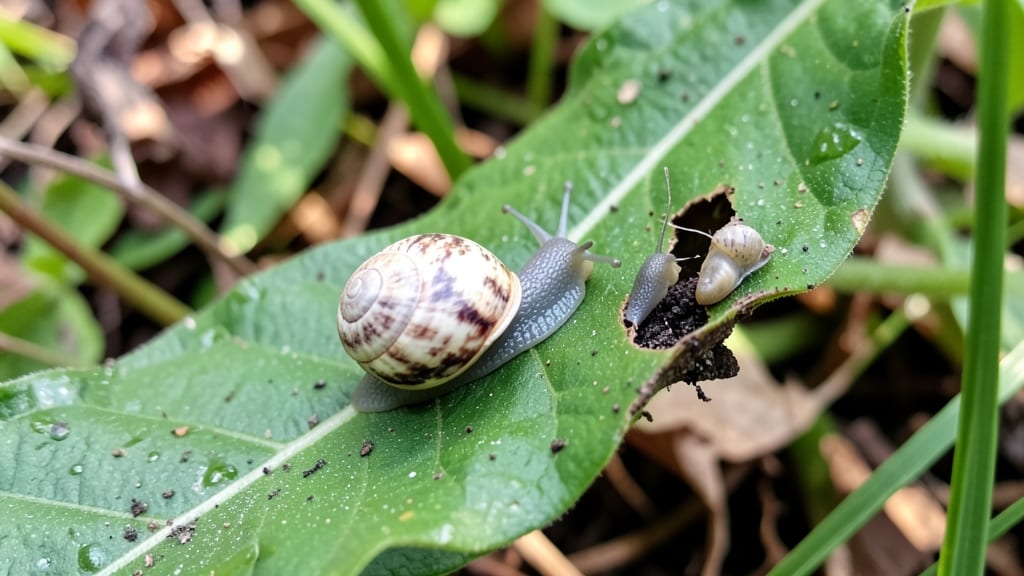
Slugs and snails are the sneaky garden thieves that turn your lush plants into skeleton leaves overnight. 🌱 I’ve lost count of the times I’d wake up to find my hostas and lettuce looking like they’d been through a salad spinner—until I discovered this copper tape trick that actually works.
The secret isn’t some fancy chemical spray—it’s a simple, foolproof barrier that confuses their slimy little brains. Copper creates a tiny electric shock when they crawl over it, sending them packing without harming your plants or the soil.
You’ll need just a roll of tape, a pair of scissors, and about 15 minutes to set it up around vulnerable areas.
By morning, your garden will look like a fortress against these pests, and you’ll finally sleep easy knowing your veggies and flowers are safe. The best part? This method stays effective for months without any maintenance—just a quick wipe-down after rain to keep it working.
Works in containers, raised beds, or along borders—even in damp weather when slugs are most active. Let’s get those plants protected before they become a buffet for slimy invaders.
📚 In This Guide
- What you need
- Instructions
- Tips and common mistakes
- Wrapping up and next steps
What you need
- ● Copper tape or copper wire: 1–2 rolls (minimum ½-inch wide for effectiveness; 1-inch is ideal). Ensure it’s pure copper (99.9% or higher) for best results.
- ● Measuring tape: 1 (to mark placement around garden beds or pots).
- ● Scissors or wire cutters: 1 pair (for trimming copper to size).
- ○ Staple gun or heavy-duty staples: 1 (to secure copper tape to edges; optional for wire).
- ● Gloves: 1 pair (to protect hands from sharp copper edges or rough wire).
- ● Moisture (rain or water): Natural or a spray bottle (copper works best when damp!).
- ● Insulated copper tape: If your garden has metal edges (like fences), insulated tape prevents short-circuiting.
- ● Garden twine or zip ties: To reinforce copper corners or bends.
- ● Beer traps or diatomaceous earth: For a multi-layered approach (place traps near copper barriers for extra defense).
- ● Garden hose with spray nozzle: To keep copper damp if your area is dry.
How to install a copper barrier for slug and snail control
Here's the method I've used for years—no chemicals, no traps, just a simple barrier that works overnight.
🪴 Step 1: Clean and Prepare the Planting Area
Start by clearing away any debris or mulch from the 12-inch perimeter around your plants. Slugs and snails thrive in damp, hidden spots, so removing their hiding places makes the copper barrier more effective. I like to use a small hand rake to gently pull back soil and smooth the ground—this also helps the copper sit flush against the soil later.
Focus on areas where you've seen damage before, especially near low-growing plants like lettuce, hostas, or young seedlings. If the soil feels particularly damp, let it dry slightly before installing the barrier. You want it moist enough for slugs to try crossing, but not so wet that the copper won't work properly.
💧 Step 2: Position the Copper Tape or Strips
Unroll the copper tape (about 2 inches wide) around the base of your plants, creating a continuous loop. For small pots or raised beds, a single strip works perfectly. For larger garden beds, overlap strips by 1 inch to ensure no gaps. The key is keeping the copper flush against the soil—no gaps where slugs can crawl underneath.
I press it down firmly with my fingers, then use a small garden stone to weigh it down if needed. The copper needs to make direct contact with the soil to create the electric field that repels slugs. If you're working in a windy area, secure it with garden staples every 6 inches to keep it in place.
⏰ Step 3: Test and Monitor the Barrier
After installation, wait until dusk (when slugs are most active) to check for effectiveness. Shine a flashlight along the copper edge—you should see slugs and snails crawling away or avoiding the barrier entirely. If they're still crossing, adjust the tape to ensure it's fully in contact with the soil and moist (but not wet).
Reapply the barrier after heavy rain, as water can wash it away or dilute its effectiveness. I check mine every 3-4 days during wet seasons to make sure it's still intact. The copper doesn't wear out, but physical damage from weather or animals can reduce its performance.
☀️ Step 4: Combine With Other Deterrents for Best Results
While the copper barrier works wonders, I've found it's even more effective when paired with dried diatomaceous earth (about ½ cup) sprinkled in a 6-inch band just inside the barrier. This creates a double defense—slugs avoid both the copper's shock and the abrasive diatomaceous earth. Just be sure to reapply the diatomaceous earth after rain.
For pots or containers, wrap the copper around the rim and place a shallow dish of beer (about ½ cup) near the base. Slugs are drawn to the beer but won't cross the copper to reach it. This combo has kept my container gardens slug-free for seasons.
Tips & tricks for perfect copper barrier installation
A few simple tricks will help you maximize the effectiveness of your copper barrier and keep slugs and snails away for good.
Soil Moisture Matters: The copper barrier works best when the soil is moist but not soggy. If your garden soil feels particularly damp after watering or rain, let it dry slightly before installing the copper tape. You want slugs to be tempted to cross the barrier, but the copper needs that slight moisture to create its electric field. I've found that checking the soil with your fingers—it should feel like a damp sponge, not dripping wet—gives the best results.
Overlap for Large Areas: When working with larger garden beds, don't be tempted to skip overlapping the copper strips. Even a tiny gap can let slugs slip through. I overlap strips by about 1 inch, pressing them firmly together to create an unbroken barrier. For extra security in windy areas, use garden staples every 6 inches to keep everything in place—this prevents the copper from lifting and creating gaps where pests can sneak through.
Test at Dusk: The most critical time to check your barrier is right at dusk, when slugs and snails become most active. Shine a flashlight along the copper edge—you should see them immediately turn away. If they're still crossing, adjust the tape to ensure full contact with the soil. I've seen some gardeners miss this step and wonder why their barrier didn't work—trust me on this, the timing makes all the difference.
Combine Defenses: While the copper barrier is powerful on its own, pairing it with other deterrents creates a nearly impenetrable defense. I always add about ½ cup of dried diatomaceous earth in a 6-inch band just inside the copper. The abrasive powder works on slugs' soft bodies while the copper creates that electric shock. For container gardens, I add a shallow dish of beer near the base—slugs are drawn to it but won't cross the copper to reach it.
Pro Tips for Get Rid Of Slugs And Snails In Garden
- A few simple tricks will help you maximize the effectiveness of your copper barrier and keep slugs and snails away for good.
- Soil Moisture Matters: The copper barrier works best when the soil is moist but not soggy.
- Overlap for Large Areas: When working with larger garden beds, don't be tempted to skip overlapping the copper strips.
Frequently asked questions
Q: How long does it take for a copper barrier to work?
A copper barrier can start working within hours—many gardeners notice a reduction in slugs and snails overnight! However, for long-term protection, ensure the copper is clean, exposed, and properly installed (at least 2 inches high). Rain or dirt buildup can reduce its effectiveness, so check it regularly.
Q: What’s the best time of day to check for slugs and snails?
The early morning or late evening (when it’s damp) is prime time to spot these pests! Slugs and snails are most active after rain or at dawn/dusk. Use a flashlight to inspect plants, mulch, or under boards—you’ll often find them hiding near moisture or food sources.
Can I use beer traps for slugs and snails? Are they humane?
Beer traps do work, but they’re not exactly humane—slugs and snails drown in the liquid. If you prefer a gentler approach, try grain traps (like crushed oats or wheat bran) with a shallow dish of water. The pests get stuck and dehydrate naturally over 24–48 hours.
Will coffee grounds really repel slugs and snails?
Yes! Coffee grounds create a natural barrier slugs and snails dislike due to their acidity and gritty texture. Sprinkle them around plants (not directly on soil) or mix them into mulch. Reapply after rain—it’s a zero-waste solution that also enriches soil over time!
What if my plants are already damaged? Can I save them?
Act fast! Prune chewed leaves or stems to encourage new growth, and treat the area with neem oil or copper spray to deter further attacks. For severe damage, consider row covers or diatomaceous earth (food-grade only) as a temporary shield while you implement long-term barriers.
Are there any slug/snail species that don’t respond to copper?
Most common garden slugs (like gray field slugs) and snails (e.g., banded snails) are deterred by copper, but giant African land snails or very large slug species might climb over low barriers. For these, use a deeper trench with sharp edges or a double-layered copper strip (3+ inches high).
Wrapping up and next steps
You’ve got this! 🌱 With the right tools—like a copper barrier, organic traps, or natural predators—you can reclaim your garden from slugs and snails in no time. Start small, test what works best for your space, and stay consistent. Your lush, pest-free garden is just a few steps away!
Ready to take action? Pick one method today and watch your plants thrive! 🚀