
How To
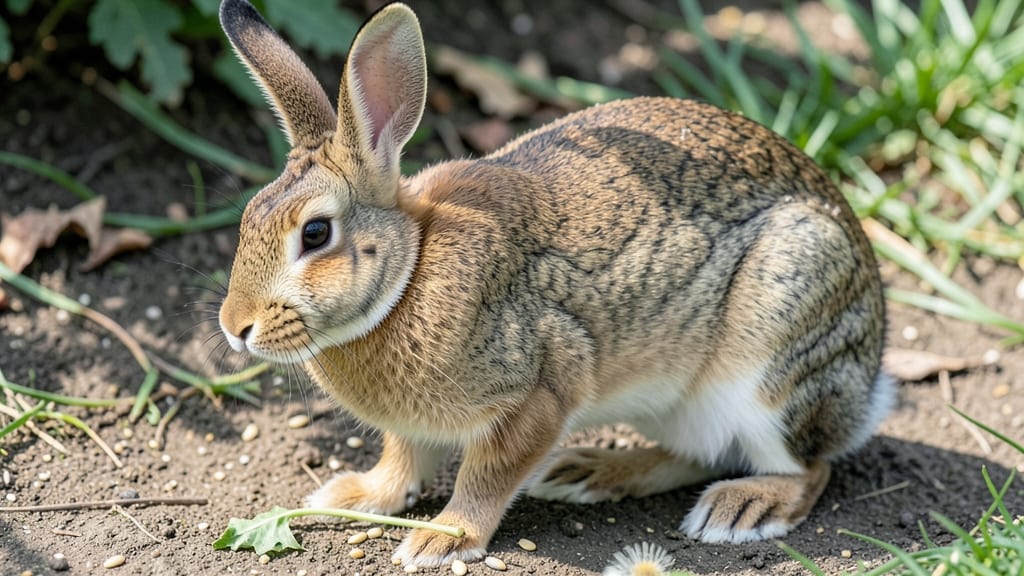
Rabbits devouring your garden faster than you can replant? Peppermint oil barriers work better than anything I’ve tried—no traps, no harm, just a scent they hate. The secret lies in a few drops of pure peppermint oil mixed with water, sprayed along borders where they nibble.
It’s not just a quick fix; this method keeps them away for weeks at a time without poison or cruelty.
Most people assume fencing is the only answer, but rabbits are sneaky climbers and diggers. A 6-inch tall barrier of hardware cloth buried 12 inches deep stops them cold—no digging, no jumping.
Combine that with peppermint-soaked cotton balls tucked into plant pots, and you’ve got a two-pronged attack. The best part? Both solutions are humane, chemical-free, and reusable for years.
Within 24 hours of applying the peppermint barrier, you’ll notice fewer nibbled leaves and more intact plants. Over time, rabbits learn to avoid the scent entirely, leaving your veggies and flowers untouched. Even better, the oil’s fresh, minty aroma lingers—no foul smells, just a garden that finally feels safe.
Works in any climate, from deserts to rainforests, and adapts to raised beds or in-ground plots. The key is consistency: reapply the oil every 2-3 weeks or after heavy rain. No more losing your harvest to fluffy thieves—just a garden that thrives without the constant battle.
Root Causes of Rabbit Garden Raids
Rabbits may seem like harmless, fluffy creatures, but when they invade your garden, they can turn it into a chewed-up disaster in no time. Understanding why they’re drawn to your outdoor space is the first step in outsmarting them.
Below, we break down the key reasons—backed by science—so you can address the root of the problem and reclaim your garden.
Rabbits are herbivores with a voracious appetite, consuming up to 50% of their body weight daily in fresh vegetation. Your garden likely offers an all-you-can-eat buffet, especially if you grow their favorite plants:
- Tender young shoots: Rabbits prefer new growth because it’s softer and easier to digest. Think lettuce, beans, and clover.
- Low-lying plants: They avoid taller plants (like tomatoes or sunflowers) because they can’t reach them without exposure. Ground-level veggies? Free snacks.
- Weeds and ornamental plants: Hostas, marigolds, and even roses are on their menu. 30+ plant species are commonly targeted.
Why it matters: Rabbits use the "sniff-and-munch" method—they rely on scent and texture to identify food. If your garden smells like a salad bar, they’ll keep coming back.
In urban and suburban areas, rabbits face fewer predators than in the wild. Without foxes, coyotes, or owls lurking nearby, they feel safe to forage openly. Even domestic dogs or cats may not deter them if:
- They’re well-hidden (under decks, bushes, or dense foliage).
- They’re active at dawn/dusk, when pets are less vigilant.
- Your yard lacks visual or scent-based warnings (like predator urine or strong smells).
Scientific note: Rabbits have a highly developed flight response—they can spot movement 360 degrees around them and react in 0.5 seconds. If they don’t perceive danger, they’ll stay.
Rabbits need cover to feel secure. If your garden has:
- Thick shrubs or tall grass (their perfect hiding spots).
- Woodpiles or debris (they’ll nest underneath).
- Unsecured compost bins (a rabbit’s dream for nesting material).
Behavior insight: Rabbits thruster—they can leap 3 feet vertically and 9 feet horizontally in a single bound. If they can’t escape predators quickly, they’ll avoid open areas and stick to shaded, secluded zones.
Pro tip: Check for fresh droppings (pea-sized, round pellets) or gnaw marks near dense vegetation—this is their "home base."
Rabbits adjust their eating habits based on season, weather, and food scarcity:
| Season | Why They Raid Gardens |
|---|---|
| Spring | New plant growth = easy, nutrient-rich meals. Mothers also need food for nursing kits. |
| Summer | Hot days mean less time grazing, but they’ll hit gardens at night when it’s cooler. |
| Fall | Food competition increases as wild plants dry up. Gardens become a reliable food source. |
| Winter | Snow covers natural food, so they dig through mulch or bark to reach buried veggies. |
Key takeaway: Rabbits are opportunistic. If their usual food sources (like clover fields) are scarce, your garden becomes a target of convenience.
Ironically, your presence can attract rabbits. Here’s how:
- Frequent watering: Damp soil attracts insects, which rabbits eat. Plus, they love drinking from puddles or leaky hoses.
- Freshly tilled soil: Exposes grubs and roots, a rabbit’s delicacy.
- Pet food left outside: Even a small amount of dog or cat food can draw them in.
- Landscaping changes: Removing predators (like cats) or adding rabbit-friendly plants sends them a signal: "This place is safe!"
Behavioral trigger: Rabbits are crepuscular (most active at dawn/dusk). If you’re not outside during these times, they’ll treat your garden like a 24-hour buffet.
Effective Ways to Deter Rabbits
Rabbits can turn your garden into a buffet, but the good news is there are practical, rabbit-resistant solutions that work—without harming the environment or your plants. Below, we’ve mapped common causes to proven fixes, along with prevention tips to keep your garden rabbit-free long-term.
Rabbits are persistent diggers and jumpers, so blocking access is the most reliable method.
🔥 Install Fencing (The Gold Standard)
- Why it works: Rabbits can’t dig under or jump over a properly installed fence.
- How to do it:
- Use chicken wire (1-inch mesh) or hardware cloth (buried 12 inches deep).
- Bury the fence at least 12 inches to prevent digging.
- Extend it at least 2 feet tall (rabbits can jump 2 feet!).
- Secure the top with outward-facing wire to stop them from climbing.
- Pro tip: 💡 If you have a small garden, wire mesh tunnels can protect individual plants.
🍳 Raised Beds with Protective Covers
- Why it works: Rabbits avoid climbing into tight, elevated spaces.
- How to do it:
- Build raised beds and surround them with chicken wire.
- Use floating row covers (lightweight fabric) over vulnerable plants.
- Secure covers with bricks or clips to prevent rabbits from nibbling underneath.
👨🍳 Motion-Activated Sprinklers
- Why it works: Sudden water sprays scare rabbits away without chemicals.
- How to do it:
- Install solar-powered sprinklers (like ScareCrow) that activate when movement is detected.
- Best for larger gardens where rabbits are a frequent issue.
- Bonus: Also deters deer and squirrels!
If fencing isn’t an option, strong-smelling repellents can discourage rabbits from returning.
🥘 Peppermint Oil Barrier (The Top Choice)
- Why it works: Rabbits hate the scent of peppermint and will avoid treated areas.
- How to do it:
- Mix 10-15 drops of peppermint oil with 1 cup of water and 1 tbsp of dish soap.
- Spray around garden edges, plant bases, and fence lines.
- Reapply every 3-5 days (or after rain).
- Pro tip: 🌡️ For extra potency, soak cotton balls in peppermint oil and place them near entry points.
🔪 Other Strong-Smelling Repellents
| Repellent | How to Use | Effectiveness |
|---|---|---|
| Garlic spray | Blend garlic + water, strain, and spray. | Moderate (needs reapplication) |
| Hot pepper spray | Mix cayenne pepper + water + soap. | High (spicy scent deters them) |
| Predator urine | Buy fox or coyote urine from garden stores. | Short-term scare tactic |
| Crushed red pepper | Sprinkle around plants. | Works best when fresh. |
- Warning: 🚨 Avoid mothballs or strong chemicals—they can harm pets and plants.
Once you’ve dealt with the current infestation, prevent future visits with these strategies.
🎯 Remove Attractants
- Clear brush and tall grass (rabbits hide and nest there).
- Store firewood and compost in rabbit-proof containers.
- Avoid overwatering—rabbits seek damp areas.
🌙 Use Lights & Noise
- Motion-activated lights startle rabbits at night.
- Wind chimes or aluminum cans create noise they dislike.
🌱 Plant Rabbit-Resistant Vegetables
If you still want a veggie garden, grow: ✅ Onions, garlic, chives (strong scent deters rabbits) ✅ Marigolds, snapdragons, lavender (rabbit-repelling flowers) ❌ Avoid lettuce, carrots, and beans (their favorite snacks!)
Final Thought: The best approach is usually a combination—fencing + repellents + prevention. Test what works for your garden, and soon you’ll have a rabbit-free oasis where your plants can thrive! 🌱✨
Frequently asked questions
What’s the fastest way to stop rabbits from eating my garden?
For immediate results, combine a peppermint oil barrier (mix 15 drops with 1 cup water) and install temporary wire mesh around vulnerable plants. The scent deters them within hours, while the mesh blocks access. Reapply the oil every 3-5 days for lasting protection.
Will fencing really keep rabbits out?
Yes, but only if installed correctly. Use hardware cloth (1-inch mesh) buried 12 inches deep and extending 2 feet tall. Rabbits can’t dig under or jump over this—it’s the gold standard. For small gardens, try wire mesh tunnels over individual plants.
Are there plants that naturally repel rabbits?
Plant onions, garlic, chives, or lavender around your garden—their strong scents confuse rabbits. Marigolds and snapdragons also work well. Avoid rabbit favorites like lettuce or beans near these plants for extra protection.
How long does peppermint oil last as a rabbit repellent?
Peppermint oil’s effectiveness fades after 3-5 days or when it rains. Reapply every few days for consistent protection. For longer-lasting results, soak cotton balls in oil and place them near entry points—this releases scent slowly.
Can I use predator urine to scare rabbits away?
Predator urine (like fox or coyote) works as a short-term scare tactic, but rabbits adapt quickly. For best results, combine it with fencing or repellents. Avoid mothballs—they’re toxic to pets and plants. Always test small areas first.