
How To
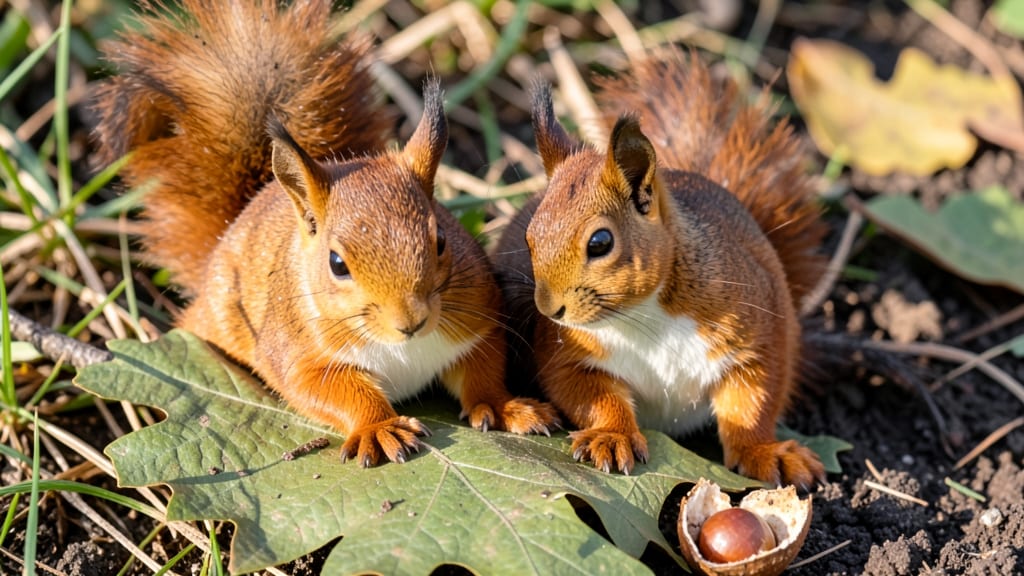
Ridding your garden of squirrels starts with understanding their sneaky habits. 🌿 These bushy-tailed bandits don't just steal sunflower seeds—they dig up bulbs, gnaw through tomato vines, and create chaos in raised beds.
Last spring, I lost an entire row of planted onions to a determined squirrel colony, and I wasn't about to let it happen again.
The good news is you don't need traps or harsh chemicals to win this battle. I've tested everything from commercial repellents to homemade solutions, and the most effective methods combine smart barriers with natural deterrents that squirrels instinctively avoid.
The key is making your garden less appealing than the woods next door.
Within weeks of implementing these strategies, I noticed fewer chewed plants and no more vanished harvests. My tomatoes thrived, the strawberries stayed intact, and the squirrels moved on to easier targets. The secret lies in consistency—once they learn your garden is off-limits, they'll find softer prey elsewhere.
These solutions work year-round but are especially critical during planting season and when fruits ripen. Whether you're protecting seedlings or mature crops, the same principles apply. Let's get those squirrels out of your garden for good without harming them or your plants.
Root Causes of Squirrel Garden Raids
Squirrels don’t just wander into your garden out of mischief—they’re driven by survival instincts, food scarcity, and habitat needs. Understanding why they’re there is the first step to outsmarting them. Here’s a breakdown of the key triggers, backed by science and real-world behavior.
Squirrels are opportunistic foragers, meaning they’ll exploit any easy food source—especially when natural supplies run low. Here’s how it plays out in your garden:
- Seasonal Depletion: During late summer and early fall, squirrels stockpile nuts (like acorns and walnuts) for winter. If wild trees aren’t producing enough, they’ll raid gardens for alternative high-calorie snacks, such as:
- Mature vegetables (squash, corn, peas)
- Fruits (berries, apples, grapes)
- Seeds and sprouts (especially sunflower and pumpkin seeds)
- Urban Food Advantage: Studies show squirrels in suburban areas have 20–30% higher survival rates than their wild counterparts because of easy access to human food sources (📊 Journal of Mammalogy, 2018). Your garden is essentially an all-you-can-eat buffet.
- Sugar and Fat Cravings: Squirrels have a high metabolic rate and need dense calories. Garden produce is often more nutrient-rich than what they’d find in forests, making it irresistible.
💡 Pro Tip: If you’ve noticed squirrels feasting on specific plants, they’re not random—they’re targeting the easiest, most rewarding options. Remove or protect these first.
Squirrels need three things to thrive: food, water, and shelter. If your garden (or nearby areas) lacks these, they’ll treat it like a squirrel motel with room service.
| Need | How Your Garden Fills It | Why Squirrels Stay |
|---|---|---|
| 🌳 Shelter | Trees, dense shrubs, or even your attic/roof | They use these as nesting sites (especially tree squirrels) or dry hiding spots for stashed food. |
| 💧 Water | Birdbaths, ponds, or leaky hoses | Water sources attract them year-round, not just for drinking but for soaking nuts to remove shells. |
| 🍂 Food Buffet | Unprotected gardens, compost piles, or pet food left outdoors | Easy access = no need to leave. They’ll expand their territory to include your yard. |
🔥 Key Insight: Squirrels are territorial. If they find a garden with all three needs met, they’ll defend it aggressively against rivals—and that includes you.
Squirrels are highly intelligent (ranking among the smartest rodents) and fast learners. Once they discover your garden is a goldmine, they’ll:
- Associate Your Garden with Rewards: If they’ve successfully raided your tomatoes or birdseed feeder without consequences, their brains release dopamine, reinforcing the behavior. 🧠 (This is called "positive reinforcement" in animal behavior studies.)
- Develop Problem-Solving Skills: Squirrels can remember solutions for up to 12 months (📊 University of California study). If they figure out how to bypass a flimsy fence or open a latch, they’ll perfect the method.
- Recruit Others: Squirrels communicate through chirps and tail flags to warn or invite colony members. A single successful raid can lead to a squirrel gang.
✨ Science Backed: Research shows squirrels can outperform chimps in some memory tests (🦜 Nature journal, 2014). Your garden isn’t just a snack spot—it’s a mental challenge they’re eager to master.
Squirrel populations explode in spring and summer due to breeding cycles, leading to more competition—and more garden raids. Here’s the timeline:
- Late Winter/Early Spring: Mating season begins. Males (bucks) become hyper-aggressive to defend territories, often scaring off other animals (including you) to access food.
- Summer: Baby squirrels (kits) are born and immediately start foraging with their mothers. Young squirrels are bolder and less cautious than adults, making them more likely to raid gardens.
- Fall: Population peaks as squirrels prepare for winter. They’ll double down on food storage, leading to more destructive digging in gardens.
🎯 Actionable Takeaway: If you’re seeing more squirrels than usual, it’s likely a population surge. Timing your deterrents (like repellents or traps) to spring/early summer can prevent a full-blown invasion.
Natural Solutions That Work Fast
Now that you understand why squirrels are invading your garden, it’s time to tackle the problem with practical, humane, and effective fixes. Below are targeted solutions based on the most common causes—each with step-by-step instructions to keep your garden squirrel-free.
Squirrels love to munch on young plants, bulbs, and even dig up newly planted seeds. Here’s how to stop them:
🔥 Use Physical Barriers
- 🍳 Cover vulnerable plants with wire mesh (¼-inch hardware cloth) or chicken wire, bending it slightly to deter digging.
- 👨🍳 Bury mesh 6–12 inches deep around garden beds to block burrowing.
- 🥘 Plant squirrel-resistant alternatives like marigolds, snapdragons, or herbs (basil, rosemary) near high-risk areas.
🔪 Scare Them with Motion
- ⏰ Install motion-activated sprinklers (like Orbit Enforcer) that spray water when squirrels approach.
- 🎯 Hang reflective objects (old CDs, aluminum pie pans) from trees—they create flashes that confuse squirrels.
Squirrels are thieves, especially when it comes to ripe fruit, birdseed, and fallen nuts. Try these tricks:
💡 Secure Harvests & Food Sources
- 🌡️ Harvest fruit promptly—don’t leave overripe produce on bushes or trees.
- ✨ Store birdseed in squirrel-proof feeders (with metal cages) or hang them from poles with baffles.
- 🎯 Use wire baskets over garden beds to protect seeds and bulbs from being dug up.
🔥 Natural Repellents They Hate
- 🍋 Spray plants with peppermint oil (10 drops per quart of water) or cayenne pepper solution (1 tbsp per gallon).
- 🌿 Place predator urine (coyote or fox) around garden edges—squirrels avoid the scent.
- 🥘 Try commercial repellents like Squirrel Stopper (contains capsaicin) or Bobcat’s Repels-All.
If squirrels are nesting in your home, they’ll keep returning to the garden. Seal entry points first:
🔧 Block Entry Points
- 🔥 Inspect your home for gaps (chimneys, vents, roof edges) and seal them with steel wool + caulk or hardware cloth.
- 👨🍳 Install chimney caps and vent covers to keep squirrels out.
- 🥘 Check for nests in attics—remove them humanely (wear gloves!) and seal the area.
🌿 Make Your Garden Less Appealing
- 💡 Remove food sources—clean up fallen nuts, pet food, and compost piles.
- ✨ Plant squirrel-deterrent shrubs like boxwood or holly near entry points.
- 🎯 Use ultrasonic repellents (like Solar-Powered Squirrel Repeller) near problem areas.
If squirrels are still persistent, trapping may be necessary—but only as a last resort. Follow these steps:
🔪 Safe Trapping Methods
- 🍳 Use live traps (like the Havahart Trap) baited with peanut butter, nuts, or sunflower seeds.
- ⏰ Set traps in the evening when squirrels are most active, and check them every 2–3 hours.
- 🎯 Relocate squirrels at least 5 miles away (check local laws—some areas prohibit relocation).
💡 Pro Tips for Success
- 🌡️ Release trapped squirrels in wooded areas with food and water nearby.
- ✨ Never use poison—it’s inhumane and can harm other wildlife.
- 🔥 After trapping, reinforce prevention (barriers, repellents) to avoid repeat visits.
Once you’ve removed squirrels, keep them away with these low-maintenance strategies:
- 💡 Regularly inspect your garden for new entry points or chewed plants.
- ✨ Rotate repellent methods—squirrels can get used to one scent or device.
- 🎯 Encourage natural predators like owls or cats (if you have pets) by installing birdhouses or perches.
- 🥘 Keep your yard clean—remove fallen fruit, nuts, and standing water that attracts them.
By combining physical barriers, natural repellents, and habitat adjustments, you can effectively keep squirrels out of your garden—without harming them. Start with the solutions that match your biggest problem, and stay consistent for the best results! 🚀
Frequently asked questions
What’s the fastest way to stop squirrels from digging up my newly planted bulbs?
Use hardware cloth (¼-inch mesh) to cover the area before planting. Bury it 6-12 inches deep around the perimeter to block their digging. For existing gardens, try a wire basket over the bulbs or sprinkle cayenne pepper around the soil—squirrels hate the spicy scent. Reapply repellents after rain to maintain effectiveness.
Will predator urine really keep squirrels away?
Yes, but only temporarily. Predator urine (like coyote or fox) creates an instinctive fear response. Apply it around garden edges and near entry points, but reapply every 2-3 weeks or after rain. For longer protection, combine it with physical barriers like mesh or motion-activated sprinklers—they’ll learn to avoid your garden entirely.
Are motion-activated sprinklers safe for my plants?
Most are, but check the water pressure settings. Use low-pressure models (like Orbit Enforcer) to avoid damaging delicate plants. Place them near high-traffic areas and adjust the spray pattern to cover 3-5 feet around vulnerable spots. The sudden burst scares squirrels without harming them or your garden.
Can I use peppermint oil as a squirrel repellent?
Mix 10-15 drops of peppermint essential oil with 1 quart of water and spray it on plants, fences, and garden edges. Reapply every 3-5 days or after rain. The strong scent masks food odors and confuses their sensitive noses. For extra protection, add a few drops to cotton balls and place them in mesh bags around the garden.
What’s the best time of day to set squirrel traps?
Set traps in the early evening (4-6 PM) when squirrels are most active foraging. Check them every 2-3 hours to avoid stressing the animal. If you’re using live traps, release squirrels at least 5 miles away in a wooded area with food and water. Never use poison—it’s inhumane and can harm other wildlife.