
Lawn
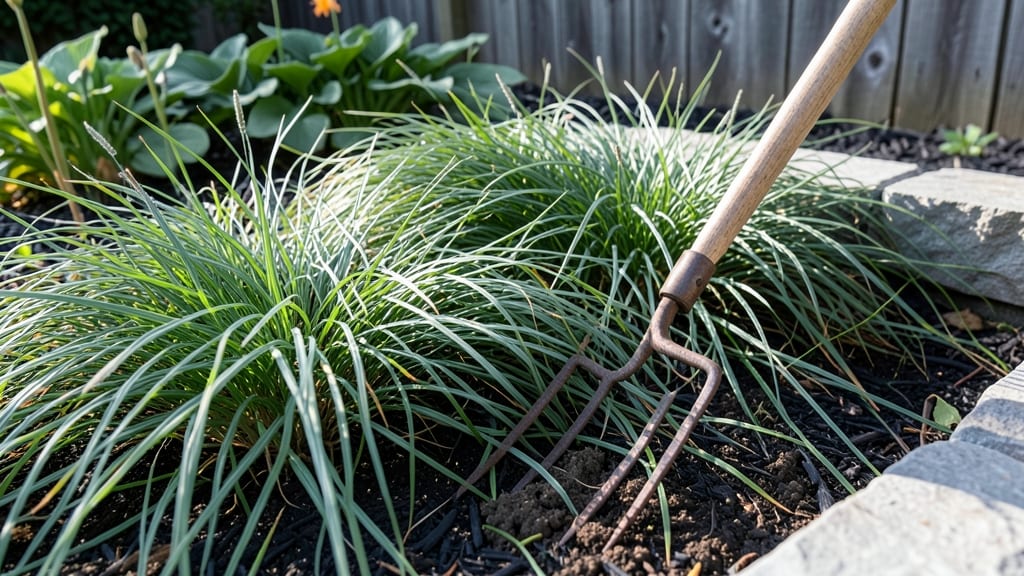
Learn how to get grass out of garden beds naturally—this vinegar-and-salt trick kills Bermuda and crabgrass in 24-48 hours without tilling, herbicides, or harming your soil or future plants. 🌱 The key is timing and concentration, not brute force.
You’ll need plain white vinegar (the stronger, the better), non-iodized salt, dish soap, and a spray bottle. Mix 1 gallon vinegar, 1 cup salt, and 1 tablespoon soap—this combo breaks down grass cell walls while preventing regrowth.
Works best on sunny days when grass is actively growing, so spring or early fall is ideal.
After spraying, watch the grass turn crispy within hours. Once dead, rake it out and till or smother the area with cardboard before planting. The soil stays ready for vegetables, flowers, or herbs—no waiting for it to "settle."
This method is chemical-free, budget-friendly, and works for any garden bed size.
For deep-rooted grasses like quackgrass, repeat the treatment twice with a 1-week gap—it’s the only way to fully eradicate them. The secret? Consistency. Once you’ve got the beds clear, mulch heavily to keep weeds out for good.
📚 In This Guide
- What you need
- Instructions
- Tips and common mistakes
- Wrapping up and next steps
What you need
- ● White vinegar (5% to 20% acetic acid) – 1 gallon (3.8 liters) per 10 sq. ft. (For best results, opt for 20% or higher if available.)
- ● Salt (non-iodized) – 1 to 2 cups per gallon of vinegar (Fine grain works best for even distribution.)
- ● Spray bottle or garden sprayer – A 1-gallon handheld sprayer (or larger if treating big areas) with a fine-mist nozzle for precise application.
- ● Garden gloves – Nitrile or rubber gloves to protect your hands from vinegar and salt.
- ● Garden trowel or hand fork – For scraping out stubborn grass roots after treatment.
- ○ Plastic sheeting or cardboard – Optional but helpful to cover nearby plants if you’re worried about overspray.
- ● Dish soap (1 tsp per gallon) – Acts as a surfactant to help the solution stick to grass blades.
- ● Hose with adjustable nozzle – For rinsing tools or diluting concentrated vinegar.
- ● Knee pads or gardening stool – Because comfort matters when you’re on your hands and knees!
- ● Label or marker – To tag treated areas so you remember not to plant there for a few weeks.
Step-by-Step instructions for removing grass from garden beds
Here’s my go-to method for clearing unwanted grass without heavy machinery or toxic chemicals.
🪴 Step 1: Gather Your Supplies
You’ll need a 1-gallon spray bottle, white vinegar (20% acetic acid), salt (1 cup), dish soap (1 tablespoon), and garden gloves. I always double-check the vinegar concentration—household vinegar (5%) won’t cut it. The salt and soap act as surfactants to break down grass cell walls, while the vinegar delivers the knockout punch.
Mix 1 cup salt, 1 tablespoon dish soap, and 1 gallon white vinegar in a large bucket. Stir until fully dissolved. The soap helps the solution cling to grass blades, ensuring maximum contact. Wear gloves—vinegar and salt can irritate skin, and you’ll be handling this often.
✂️ Step 2: Clear Debris and Mark Target Areas
Remove rocks, sticks, and loose soil from your garden beds using a hand rake or hoe. Grass thrives in compacted soil, so aerating the surface slightly helps the solution penetrate deeper. I like to work in 4-foot sections—any larger, and the solution evaporates before it works.
Use a spray bottle or garden flagging tape to outline the grassy areas you’re treating. This keeps you from overspraying onto desired plants. If your garden bed edges are irregular, sketch a quick map first. You’ll thank yourself later when you avoid treating the wrong spots.
💧 Step 3: Apply the Solution on a Dry, Sunny Day
Wait for a dry, sunny day—humidity slows evaporation, and cloud cover dilutes the solution’s effectiveness. Fill your spray bottle with the mixture and apply it directly to grass blades until they’re saturated but not dripping. Focus on the base of the grass, where the roots meet the soil. This is where the vinegar and salt do their damage.
Reapply every 2-3 hours for 24 hours total. The grass will start wilting within hours, but consistency is key. If you miss a spot, new shoots will pop up. I set a timer on my phone to remind myself—this isn’t a one-and-done job.
🌱 Step 4: Scrape Out Dead Grass and Amend Soil
After 48 hours, the grass should be completely brown and crispy. Use a hand trowel or stiff brush to scrape out the dead grass and roots. Don’t rush—digging too soon leaves fragments behind, which regrow. Work in small sections to avoid disturbing nearby plants.
Once cleared, loosen the top 2 inches of soil with a garden fork. Mix in 2 inches of compost to improve soil structure and fertility. Grass roots leave soil compacted, and compost helps break it up naturally. Water lightly to settle everything in place.
⏰ Step 5: Monitor and Prevent Regrowth
Check your garden beds weekly for the first month—new grass sprouts are sneaky. If you spot any, treat them immediately with the solution. I’ve found that mulching with cardboard or landscape fabric after clearing helps block sunlight and prevent grass seeds from germinating.
For long-term success, consider installing edging to keep grass from creeping back. A 4-inch deep barrier of hardware cloth buried vertically around the bed edges works wonders. It’s a small upfront effort that saves hours of maintenance later.
Tips & tricks for perfect grass removal from garden beds
These battle-tested strategies will help you eliminate grass efficiently while protecting your garden—without the headaches.
Solution Concentration: The 20% acetic acid in white vinegar is non-negotiable—household vinegar (5% acidity) simply won’t deliver the same knockout effect. If you can’t find 20% vinegar, you can boost effectiveness by adding 1 tablespoon of lemon juice per gallon of solution. This extra acidity helps break down cell walls faster, especially for tough grass like Bermuda or crabgrass.
Timing Secret: The 2-3 hour reapplication window in Step 3 is critical because grass blades need continuous contact with the solution to wilt completely. I've found that setting a phone reminder for every 2 hours prevents missed spots—grass can recover if you let it dry out between applications. For larger areas, consider using a pump sprayer instead of a hand-held bottle to cover ground faster without losing momentum.
Equipment Upgrade: Don’t underestimate the power of a stiff-bristled brush for Step 4. A wire brush or even an old toothbrush works wonders for scraping out grass fragments from crevices. I keep one dedicated to garden work to avoid cross-contamination. For stubborn roots, a plastic putty knife (to avoid damaging soil structure) is your best friend. The key is persistence—what seems like extra work now prevents regrowth later.
Soil Prep Strategy: Before adding compost in Step 4, work a ½ cup of coffee grounds into the loosened soil (optional but effective). The nitrogen in coffee grounds helps break down any remaining grass fragments while improving soil fertility. Just be cautious if you’re planting acid-sensitive plants like hydrangeas—coffee grounds can make soil too acidic. For those areas, stick to regular compost and a sprinkle of lime if needed.
Pro Tips for Get Grass Out Of Garden Beds
- These battle-tested strategies will help you eliminate grass efficiently while protecting your garden—without the headaches.
- Solution Concentration: The 20% acetic acid in white vinegar is non-negotiable—household vinegar (5% acidity) simply won’t deliver the same knockout effect.
- Timing Secret: The 2-3 hour reapplication window in Step 3 is critical because grass blades need continuous contact with the solution to wilt completely.
Frequently asked questions
Got questions about tackling grass in your garden beds? You’re not alone! Here are some of the most common concerns—and straightforward answers to help you succeed.
How long does it take for vinegar and salt to kill grass?
With a strong solution (like 1:1 vinegar to water + 1 cup salt per gallon), you’ll see results in 24–72 hours. The grass will yellow and crisp up within a few days. For stubborn patches, reapply after 7–10 days. Timing depends on weather—hot, sunny days speed up the process!
Is there a faster way to remove grass without chemicals?
Yes! For immediate results, smother the area with cardboard or thick layers of newspaper (wet it down to prevent blowing). Leave it for 4–6 weeks to kill grass naturally. Another quick hack: use a shop vacuum with a weed attachment to suck up grass and roots—great for small patches!
Will vinegar or salt harm my plants or soil?
Vinegar is mildly acidic but can harm nearby plants if oversprayed. Salt is riskier—it can linger in soil, affecting future plantings. To minimize damage:
- Apply only to grass, avoiding edible plants or mulch.
- Flush the area with water after treatment to dilute salt.
- Amend soil with compost afterward to restore balance.
What’s the best time of year to remove grass from garden beds?
The ideal window is late spring to early summer (when grass is actively growing) or early fall (before frost). Avoid winter—cold slows down the process. Morning applications work best: grass is hydrated, and the sun helps the solution dry faster.
What should I do if grass keeps growing back after treatment?
Persistent grass means roots or seeds survived. Try these fixes:
- Reapply the vinegar/salt mix to fresh growth.
- Dig deeper (6+ inches) to remove roots with a garden fork.
- Use a pre-emergent herbicide (like corn gluten meal) to block new seeds.
- Mulch heavily (2–3 inches) with straw or wood chips to smother regrowth.
Pro Tip:
For large areas, mix vinegar and salt in a spray bottle or pump sprayer for precision. Test a small patch first—some grasses (like Bermuda) may need 2–3 treatments. Patience pays off!
Wrapping up and next steps
Removing grass from your garden beds doesn’t have to be a daunting task—with the right tools and a little elbow grease, you can reclaim your space in no time! Whether you choose the vinegar and salt method for a natural approach or opt for manual removal, consistency is key.
Start small, stay patient, and soon you’ll have a lush, weed-free garden to show off.
Ready to transform your garden? Grab your supplies and get started today! 🌱 For even better results, consider planning your next planting session—your future veggies will thank you! Explore more gardening tips to keep your space thriving.