
Fertilization
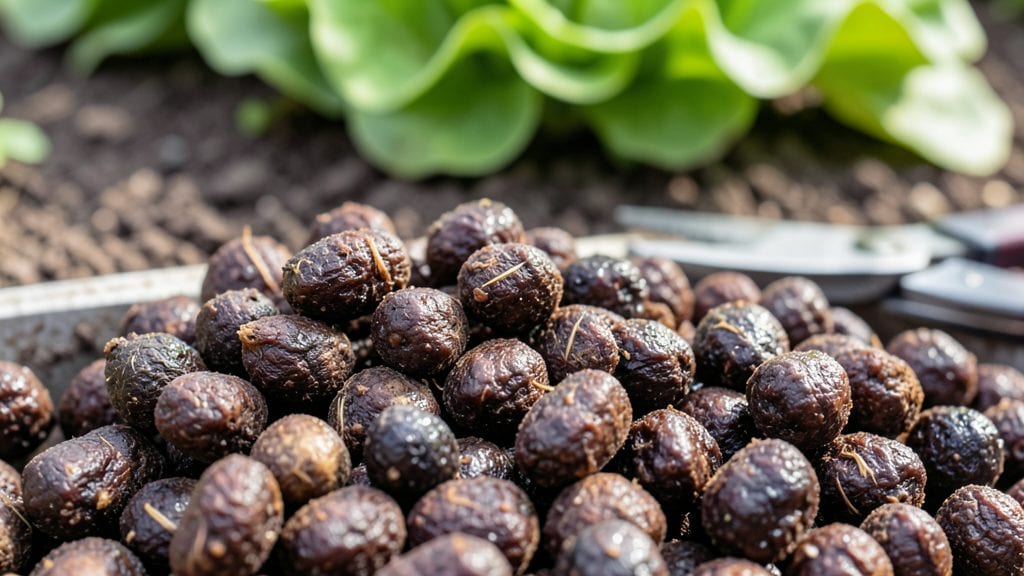
To determine how much rabbit manure to use in your garden, start with aged compost (3-6 months) mixed at a ratio of 1 part manure to 4 parts soil for hearty vegetables, while sensitive crops like lettuce require a gentler 1 part manure to 10 parts soil. Fresh manure risks burning roots, so always compost it before application.
Rabbit manure breaks down faster than many other animal manures due to its high nitrogen content, but this also means it needs careful aging to avoid over-fertilizing. 💫 The key is balancing nitrogen with carbon—fresh manure has a 4:1 carbon-to-nitrogen ratio, which can scorch plant roots, while properly aged compost shifts to a safer 20:1 ratio.
For container gardens, I often halve the soil ratio to prevent salt buildup, especially in hot climates where evaporation concentrates nutrients.
Most gardeners overlook the seasonal timing—spring applications work best for cool-season crops like spinach, while summer heat demands more frequent but lighter top-dressings. A simple soil test before adding manure can reveal whether your plants actually need the boost or if they're already nutrient-saturated.
💡 In This Article
- How Aging Rabbit Manure Affects Nutrient Availability
- Best Rabbit Manure Application Methods by Plant
How aging rabbit manure affects nutrient availability
Fresh rabbit manure has a nitrogen-to-carbon ratio of about 4:1, which means it's highly concentrated and can scorch plant roots when applied directly. The high nitrogen content (around 2-3%) breaks down rapidly, releasing ammonia that raises soil pH temporarily to 7.5-8.0—too alkaline for most plants.
During composting, microbial activity reduces this ratio to 20:1 or higher over 3-6 months, creating a safer, more balanced fertilizer with 0.5-1.0% nitrogen and improved microbial diversity.
Here's what happens during aging: The initial decomposition phase (first 2-3 weeks) is hot (130-160°F) due to rapid bacterial activity, which breaks down volatile compounds and stabilizes the nitrogen. After 6 weeks, fungal activity takes over, further decomposing fibrous materials and creating humus-like structures.
The pH stabilizes to 6.5-7.0, ideal for most garden plants. Temperature control is critical—turning the compost pile every 2-3 days maintains optimal aerobic conditions, preventing anaerobic pockets that create foul odors and harmful compounds.
The difference between aged and fresh manure becomes especially clear when comparing root crops versus leafy greens. Root vegetables like carrots or potatoes need stable, balanced nutrients to develop properly—aged manure provides this without sudden nitrogen spikes that can cause forked roots.
Leafy greens like lettuce or spinach, however, are more sensitive to salt buildup from concentrated nutrients, which is why they require the 1:10 dilution ratio. The aging process also reduces phytotoxins that can stifle seed germination.
What most people don't realize is how microbial diversity changes during aging. Fresh manure contains 10-20 billion bacteria per gram, but only about 10% are beneficial for plants. After 6 months, this shifts to 50-70% beneficial microbes, including mycorrhizal fungi that enhance root absorption.
The compost also develops a sponge-like structure that improves soil aeration and water retention—critical for container gardens where nutrients leach quickly.
For visual comparison, fresh rabbit manure looks like coarse, dark pellets with a strong ammonia smell, while aged compost resembles crumbly, earthy brown soil with a mild, sweet aroma. The texture changes from gritty to velvety, and the color shifts from black to rich brown.
This transformation isn't just about safety—it's about creating a nutrient reservoir that releases minerals gradually, matching plant uptake patterns more effectively than synthetic fertilizers.
Seasonal timing matters too: In spring, when soil microbes are most active, aged manure works best for cool-season crops. In summer, the faster microbial activity means nutrients break down quicker—so apply it earlier in the season or use it as a top-dressing.
The key is matching the manure's nutrient release rate to your plants' growth phases. 🌱