
Blooming
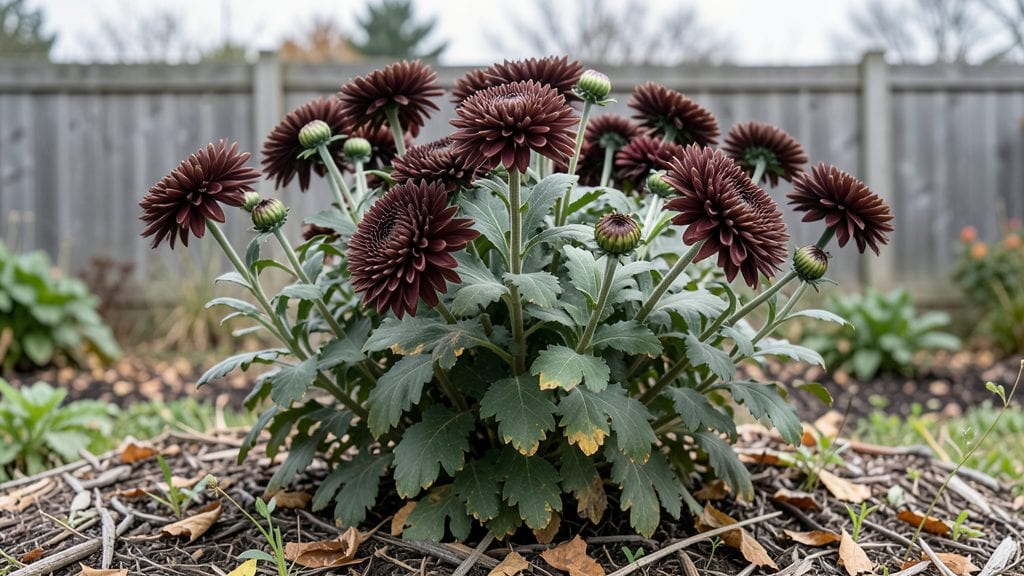
Garden mums thrive in fall's cooler weather, but their bloom duration depends heavily on variety and growing conditions. 🌸 Some hardy types like 'Autumn Joy' can last longer than delicate ones, while consistent moisture and balanced fertilizer keep them vibrant.
I've seen mums in my own garden stretch their show well into December with simple frost covers—just a layer of burlap or a cloche works wonders.
What really surprises people is how much deadheading affects longevity. Removing faded blooms redirects the plant's energy to new flowers instead of seed production, which can add weeks to their display. Plus, mulching around the base insulates roots, helping them survive light freezes that would otherwise shock the plant.
💡 In This Article
- Factors Affecting Garden Mum Longevity
- Seasonal Care Tips to Prolong Mum Blooms
Factors affecting garden mum longevity
Here's what's actually happening beneath the surface: garden mum longevity hinges on a delicate balance of genetics and environmental conditions. The plant's natural bloom cycle is programmed to last about 6-8 weeks during fall's cooler temperatures, but this can vary dramatically.
For instance, varieties like 'Autumn Joy' (Chrysanthemum 'Autumn Joy') are bred for extended blooming, often lasting 10-12 weeks when conditions are ideal, while more delicate types may fade in just 4-6 weeks. This genetic variation explains why some mums seem to outperform others in the same garden.
The climate zone where you live plays a massive role in bloom duration. Mums thrive in USDA Hardiness Zones 5-9, but their performance differs by region.
In cooler northern climates (Zone 5), mums may bloom for 8-10 weeks before frost arrives, while in milder southern zones (Zone 9), they can continue blooming into December or January if protected.
Temperature fluctuations also matter—mums prefer daytime temps between 60-75°F and cooler nights (50-60°F), which triggers their natural blooming cycle. Too much heat or cold disrupts this process, shortening their display.
Sunlight exposure directly impacts both bloom duration and plant health. Mums need full sun (6-8 hours daily) to produce their vibrant flowers, but too much intense afternoon sun (especially in hot climates) can cause leaf scorch and stress the plant.
In my experience, mums in partial shade (4-6 hours of sun) often bloom for 2-3 weeks longer than those in full sun, though the flowers may be slightly smaller.
The key is finding that sweet spot where the plant gets enough light for energy production but isn't overwhelmed by heat stress.
Soil quality and moisture levels create another critical layer of control. Mums prefer well-draining, slightly acidic soil (pH 6.0-6.5) rich in organic matter. Poor soil quality—like heavy clay or sandy loam—can shorten bloom time by 30-50% because the plant expends energy struggling to access nutrients and water.
Consistency is crucial: uneven watering (alternating between drought and oversaturation) causes stress that triggers premature blooming or leaf drop. A 1-inch weekly watering (or when topsoil feels dry) keeps roots healthy and extends flowering.
Watering habits deserve special attention because they're often overlooked. Mums have shallow root systems, meaning they rely on frequent, shallow watering rather than deep, infrequent soaking. Overwatering leads to root rot, while underwatering causes buds to drop.
The ideal routine is morning watering (before 10 AM) to allow foliage to dry by evening, preventing fungal diseases like powdery mildew. Mulching with 2-3 inches of organic mulch (like shredded bark) retains moisture, regulates soil temperature, and can add 2-4 weeks to bloom time by reducing stress.
Finally, the time of planting affects longevity. Mums planted in early spring (4-6 weeks before last frost) establish stronger root systems, leading to longer, more abundant blooms in fall.
Late summer plantings may produce flowers but often struggle to develop deep roots before winter, resulting in shorter bloom cycles the following season. This timing difference can account for a 3-5 week variation in bloom duration between properly timed and delayed plantings.
What most people don't realize is that these factors don't work in isolation—they create a synergistic effect.
For example, a mum in Zone 7 with rich, well-draining soil and partial afternoon shade might bloom for 10 weeks, while an identical variety in Zone 5 with poor soil and full sun could fade in just 5 weeks.
Understanding these interactions lets you tailor care to your specific conditions for maximum impact. 💫